


Introduction
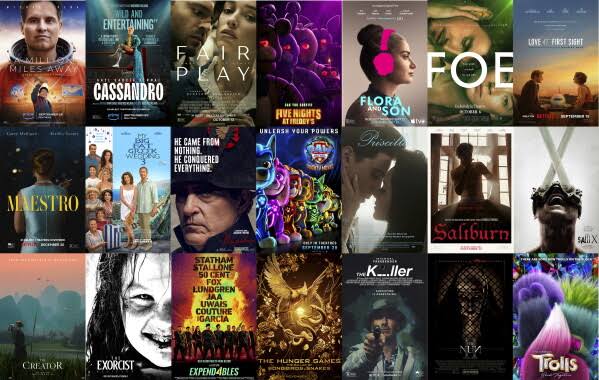
Movies are one of the most popular forms of entertainment in the world. Millions of people watch films every day to relax, enjoy exciting stories, and escape from their daily routines. However, movies are much more than a source of entertainment. They influence our thoughts, emotions, culture, and understanding of the world. From Hollywood blockbusters to Bollywood dramas and independent films, cinema has become an important part of modern life.
Over the years, the film industry has changed significantly. Advances in technology, digital platforms, and filmmaking techniques have transformed how movies are produced and watched. Today, audiences can enjoy films from different countries without leaving their homes. This global access has made cinema a powerful medium for communication, creativity, and cultural exchange.
The Evolution of the Film Industry
The history of cinema began with simple moving images that fascinated audiences in the late nineteenth century. Early films were silent and usually short, but they introduced a completely new way of telling stories. As technology developed, filmmakers began experimenting with longer narratives, sound, color, and advanced visual effects.
The introduction of sound transformed cinema by allowing actors to communicate through dialogue and music. Later, color films made stories more visually appealing. In recent decades, computer-generated imagery, high-definition cameras, and digital editing have taken filmmaking to another level.
Modern filmmakers can create imaginary worlds, realistic action sequences, and impressive visual experiences that were once impossible. At the same time, traditional storytelling remains important. A successful movie still needs interesting characters, meaningful dialogue, and a story that connects with its audience.
How Movies Affect Our Emotions

One of the greatest strengths of cinema is its ability to influence human emotions. A well-made movie can make viewers laugh, cry, feel afraid, or experience excitement. This emotional connection is created through acting, music, cinematography, dialogue, and storytelling.
Romantic movies often explore love, relationships, and sacrifice. Comedy films help people relax and temporarily forget their worries. Thrillers create suspense, while horror movies challenge viewers with frightening situations. Inspirational films can encourage people to overcome difficulties and pursue their dreams.
Movies also help audiences understand emotions and experiences different from their own. When viewers connect with a character facing hardship, discrimination, or personal loss, they may develop greater empathy and compassion. In this way, cinema can encourage people to look beyond their personal experiences and understand the challenges faced by others.
The Cultural Influence of Movies
Films are an important reflection of culture, traditions, and social values. They often present the customs, languages, clothing, food, and lifestyles of different communities. Through cinema, audiences can explore cultures they might never experience in person.
Bollywood films, for example, are known for their music, dance, family stories, and colorful celebrations. Pakistani cinema has also contributed to cultural discussions through films that explore social relationships, history, and everyday challenges. Hollywood productions frequently reach international audiences with stories covering a wide range of genres and themes.
Watching international films can help people appreciate cultural differences and discover shared human experiences. Although traditions may vary across countries, themes such as friendship, family, ambition, and courage are understood around the world.
However, filmmakers also have a responsibility to represent cultures fairly. Stereotypes and inaccurate portrayals can create misunderstandings. Thoughtful storytelling can instead promote respect, diversity, and mutual understanding.
Movies as a Tool for Education and Awareness
Cinema can educate audiences while keeping them entertained. Historical films introduce viewers to important events and influential personalities. Documentaries explain real-world issues, while biographical movies explore the achievements and struggles of notable individuals.
Socially conscious films can also highlight problems such as poverty, environmental pollution, gender inequality, bullying, and corruption. By presenting these issues through compelling characters and realistic situations, filmmakers can encourage audiences to think critically about society.
Educational films are particularly useful for students because visual storytelling can make complicated topics easier to understand. A documentary about wildlife, space exploration, or climate change may inspire viewers to learn more about science and the natural world.
Nevertheless, audiences should remember that movies are creative works. Even films based on real events may change details for dramatic purposes. Viewers should consult reliable sources when they want to learn accurate historical or scientific information.
The Rise of Streaming Platforms
Technology has dramatically changed how people watch movies. In the past, audiences often visited cinemas or waited for films to appear on television. Today, streaming platforms allow viewers to watch thousands of movies using smartphones, computers, and smart televisions.
This development has made entertainment more convenient and accessible. People can discover films from different countries, explore unfamiliar genres, and watch content according to their schedules. Streaming services have also created opportunities for filmmakers whose work might previously have struggled to reach a large audience.
However, the popularity of streaming has introduced new challenges. Audiences sometimes spend hours browsing or watching films, reducing time available for exercise, studies, work, or family activities. The large amount of available content can also make it difficult to choose something worthwhile.
A balanced approach helps people enjoy digital entertainment without allowing it to interfere with their responsibilities.
The Importance of Good Storytelling
Although technology plays a major role in modern filmmaking, storytelling remains the heart of every memorable movie. Spectacular visual effects may attract audiences, but meaningful stories are what often make films unforgettable.
A strong screenplay gives characters clear motivations, realistic challenges, and opportunities to grow. Good acting makes these characters believable, while effective music and cinematography strengthen the emotional impact.
Some of the most successful movies are remembered not because they had the biggest budgets but because they communicated universal ideas. Stories about hope, friendship, determination, and justice can remain relevant for generations.
Independent filmmakers also demonstrate that creativity does not always require expensive equipment. With a compelling idea, careful planning, and dedicated performers, even a modest production can leave a lasting impression.
The Future of Cinema
The future of the film industry will likely be shaped by artificial intelligence, virtual reality, improved visual effects, and changing audience preferences. These technologies may provide new ways to create films and allow viewers to experience stories more interactively.
At the same time, filmmakers will need to address questions about originality, copyright, employment, and the responsible use of technology. Human creativity and ethical decision-making will remain essential as the industry evolves.
Cinema may continue to change in appearance and accessibility, but audiences will always value stories that entertain them, challenge their thinking, and connect with their emotions.
Conclusion
Movies are a powerful part of modern society. They entertain audiences, introduce different cultures, raise awareness about important issues, and inspire people to see the world from new perspectives. Technological developments have made films more accessible than ever, while creative storytelling continues to give cinema its lasting appeal.
Whether someone enjoys comedy, romance, action, drama, or documentaries, movies offer opportunities to learn, reflect, and experience new ideas. The best films do more than fill our free time; they leave us with memories, questions, and lessons that remain long after the credits end.
As the film industry continues to develop, its greatest strength will remain its ability to tell meaningful stories that bring people together across cultures and generations.









Comments 0
Sign in to join the conversation.
No comments yet. Be the first to say something.