

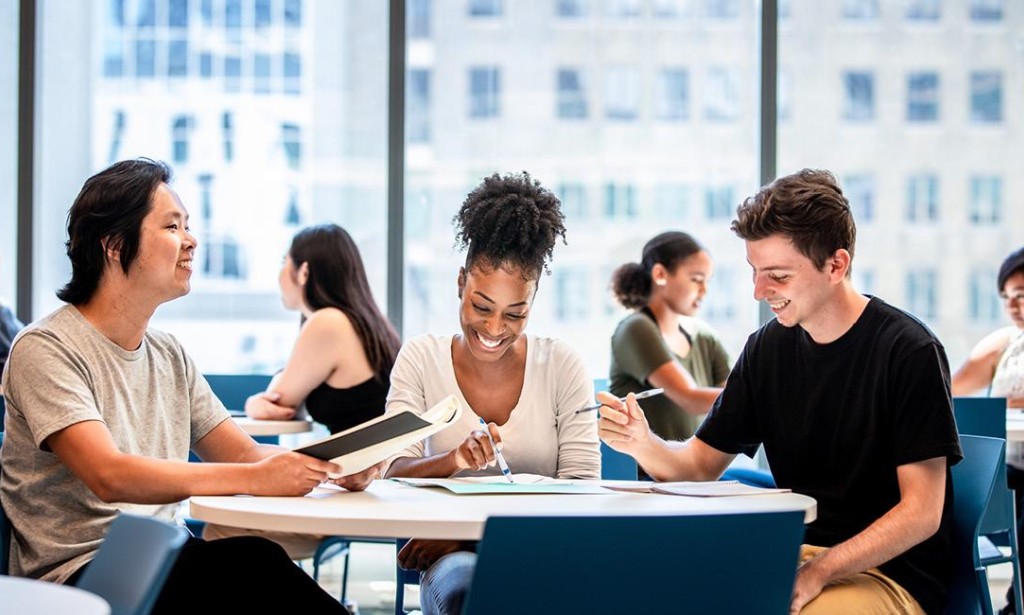
Education is one of the most important parts of human life. It gives people knowledge, develops useful skills, and helps them understand the world. Every person needs education to improve their life and achieve their goals. Education is not limited to schools, colleges, or universities. People can learn from books, teachers, technology, experiences, and everyday activities.
Education helps individuals become confident, responsible, and independent. It also plays an important role in the development of families, communities, and countries. A society that values education has more opportunities for progress and success.
Why Is Education Important?
Education is important because it helps people understand different subjects and situations. It teaches students how to read, write, calculate, communicate, and solve problems. These basic skills are necessary in everyday life.
For example, reading helps people understand instructions, books, newspapers, and important documents. Mathematics helps them manage money, calculate expenses, and make better financial decisions. Communication skills allow people to share their thoughts and understand others.
Education also helps people distinguish between correct information and false information. In the modern world, where information is available everywhere, critical thinking is especially valuable.
Benefits of Education
There are many benefits of education. First, it increases knowledge and understanding. Students learn about science, history, geography, technology, languages, and many other subjects.
Second, education improves confidence. When people understand different topics, they feel more comfortable expressing their opinions and participating in discussions.
Third, education develops problem-solving abilities. Students learn to think carefully, examine situations, and find suitable solutions.
Education also teaches discipline, patience, teamwork, and responsibility. These qualities help people become better students, workers, and members of society.
The Role of Education in Personal Development
Education helps people discover their interests, talents, and abilities. It encourages them to explore new ideas and develop their personalities.
Students learn how to communicate respectfully, work with others, and manage their responsibilities. They also understand the importance of time management and regular practice.
Education can make people more independent because it gives them the knowledge needed to make informed decisions. It encourages curiosity and motivates individuals to continue learning throughout their lives.
Education and Career Opportunities
Education creates opportunities for people to build successful careers. Many professions require special knowledge, training, and qualifications.
Doctors need medical education, engineers study technical subjects, teachers learn how to educate students, and computer programmers develop knowledge of coding and technology.
Education also helps people improve practical skills such as teamwork, communication, creativity, and problem-solving. These skills are useful in almost every profession.
However, education is not only about earning money. It also helps individuals understand their responsibilities and make positive contributions to society.
Importance of Technology in Education
Technology has changed the way students learn. Today, computers, smartphones, and the internet provide access to a large amount of educational information.
Students can watch educational videos, attend online classes, read digital books, and practise different subjects through learning websites.
For example, a student who finds mathematics difficult can watch an educational lesson and practise additional questions. Someone interested in programming can learn basic coding through online tutorials.
Technology makes learning more flexible and accessible. However, students should use it responsibly and avoid unnecessary distractions while studying.
The Role of Teachers and Parents
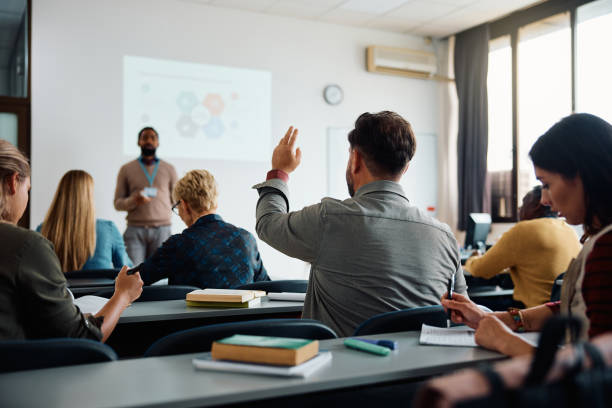
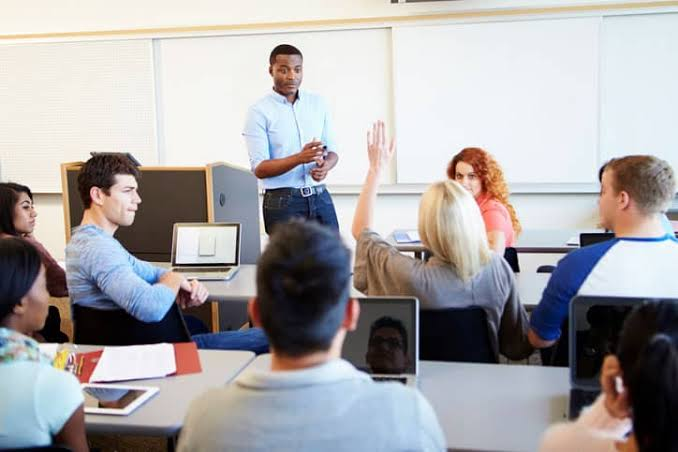
Teachers and parents play an important role in education. Teachers explain lessons, answer questions, and guide students towards their academic goals.
A good teacher creates a positive classroom environment where students feel comfortable asking questions. Teachers also encourage students to learn from mistakes and improve their performance.
Parents support education by encouraging children to study, providing learning resources, and helping them develop good habits.
When teachers and parents work together, students receive better guidance and motivation.
How Students Can Improve Their Learning
Students can improve their learning by following simple daily habits. Making a study timetable is a useful first step because it helps them manage their time.
They should pay attention during lessons, take notes, and revise important topics regularly. Practising questions can improve understanding and help students remember information.
Students should also ask teachers for help when they find a subject difficult. Discussing lessons with classmates can introduce new ideas and make learning more interesting.
Taking short breaks, getting enough rest, and keeping a quiet study environment can also support concentration.
Importance of Reading Books
Reading books is an excellent way to increase knowledge. Books contain information about science, history, culture, technology, literature, and many other subjects.
Reading regularly improves vocabulary, spelling, writing, and communication skills. It also develops imagination and helps readers understand different opinions.
Students can begin with simple books and gradually explore more challenging topics. Even reading for a few minutes every day can develop a valuable lifelong habit.
Education Builds a Better Society
Education is important for the development of every country. Educated people can contribute to healthcare, science, business, technology, agriculture, and many other fields.
It also helps communities understand social issues such as cleanliness, environmental protection, public health, and equal opportunities.
Education teaches people to respect others, cooperate, and solve disagreements peacefully. These values help create stronger communities.
When children receive quality education, they gain more opportunities to improve their lives and contribute to society.
Equal Educational Opportunities
Every child deserves the opportunity to receive a good education. Unfortunately, some students face difficulties because of financial problems, limited schools, or a lack of learning materials.
Communities and educational institutions can help by providing books, qualified teachers, safe classrooms, and suitable learning facilities.
Technology can also support students who cannot easily access traditional educational resources.
Providing equal opportunities allows more children to discover their abilities and work towards their dreams.
Learning Beyond the Classroom
Education does not end after school. People can continue learning throughout their lives through books, practical experiences, online courses, and training programmes.
For example, someone can develop cooking skills through practice, improve communication by speaking with others, or learn computer skills through online lessons.
Everyday experiences can also teach valuable lessons. Solving a problem, helping someone, or working on a project can develop useful abilities.
Continuous learning helps people adapt to changes and discover new opportunities.
The Future of Education
The future of education will include new technologies and modern teaching methods. Online learning platforms, digital classrooms, and educational applications are already changing how students access knowledge.
Technology can make lessons more interactive and allow students to learn at their own pace. However, teachers will remain important because they provide guidance, encouragement, and personal support.
A good education system should combine modern technology with effective teaching and practical learning experiences.
Education and Moral Values
Education also teaches important values such as honesty, kindness, respect, fairness, and responsibility.
Students learn that knowledge should be used positively. They understand the importance of helping others, respecting different opinions, and following rules.
These values are necessary for building healthy relationships and peaceful communities.
A truly educated person should not only have knowledge but should also use it with care and responsibility.
Conclusion
Education is one of the most valuable resources in human life. It provides knowledge, develops skills, builds confidence, and creates opportunities for a better future.
It benefits individuals, families, communities, and entire countries. Every student should understand that learning is a continuous journey that requires patience, effort, and dedication.
By respecting education, developing good study habits, and staying curious, people can achieve their goals and contribute positively to the world.
Education is not simply preparation for life; it is an important part of life itself.






Comments 0
Sign in to join the conversation.
No comments yet. Be the first to say something.