


Area 1: The Risks of Defiled Water
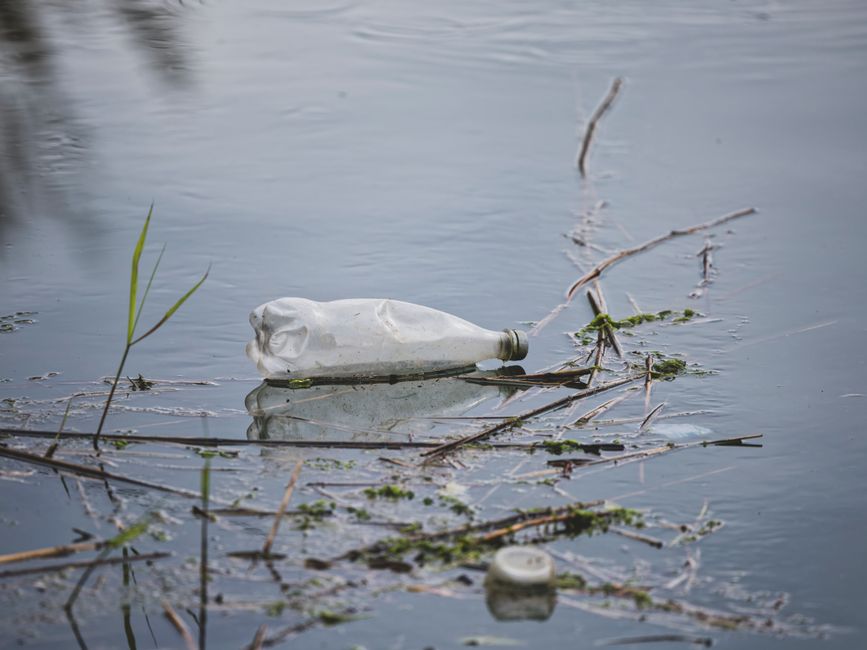
Soiled or contaminated water is a primary health concern worldwide. Water can become contaminated by a variety of harmful substances, including microorganisms, bacteria, viruses, heavy metals, and toxic chemicals. These contaminants may enter water sources from human activities, such as agricultural runoff, industrial waste, improper sewage disposal, and even natural sources like floods or landslides.
One of the most common threats associated with polluted water is the presence of waterborne diseases, which can range from mild stomach infections to life-threatening conditions. Infections caused by microorganisms such as bacteria, viruses, and parasites are frequently linked to contaminated water sources. These diseases include cholera, diarrhea, and typhoid fever, all of which can lead to dehydration, malnutrition, and in extreme cases, death. According to the World Health Organization (WHO), waterborne diseases kill an estimated 485,000 people each year globally, most of whom live in areas without access to clean water and sanitation.
In addition to microbial contamination, water can also contain toxic chemicals and heavy metals that pose long-term health risks. Chemicals such as pesticides, fertilizers, and industrial effluents often make their way into water supplies, leading to dangerous exposure. Heavy metals like lead, arsenic, and mercury are particularly hazardous, as they can accumulate in the body over time, leading to chronic health issues. Lead exposure is especially dangerous for children, as it can interfere with brain development, leading to cognitive deficits, learning disabilities, and behavioral issues.
Long-term exposure to these harmful substances in water can result in serious health problems, including kidney damage, liver disease, cancer, and neurological disorders. These risks underscore the critical need for measures that ensure safe and clean drinking water.
Area 2: Effect on Human Health
The direct effects of drinking contaminated water on human health are far-reaching. As mentioned earlier, waterborne diseases are one of the most immediate risks associated with polluted water. In many developing countries, especially in regions where sanitation infrastructure is lacking, people are forced to rely on contaminated water sources, which can cause outbreaks of illnesses such as diarrhea, cholera, dysentery, and hepatitis.
Diarrheal diseases are particularly dangerous, leading to dehydration and malnutrition, and are one of the leading causes of death among young children. According to UNICEF, every year, over 300,000 children under five years old die from diarrhea-related diseases caused by contaminated water, poor sanitation, and hygiene. Cholera outbreaks, which have been linked to unsanitary water, are also a major concern. Cholera can lead to rapid dehydration and death if not treated promptly.
The long-term effects of exposure to heavy metals in contaminated water are also deeply concerning. Chronic exposure to lead, for example, can cause developmental delays and neurological damage, particularly in children. This is due to the metal’s ability to accumulate in the bones and organs, causing systemic toxicity over time. Exposure to arsenic has been linked to an increased risk of skin lesions, lung cancer, bladder cancer, and cardiovascular diseases. Similarly, mercury contamination can cause damage to the nervous system, kidneys, and digestive system.
It’s also important to consider the mental health impact of poor water quality. In communities where water is scarce or contaminated, stress and anxiety can result from the constant threat of illness and the difficulty of securing clean water. Additionally, the psychological burden of caring for sick family members or enduring a lack of clean water can lead to feelings of hopelessness and helplessness, particularly among vulnerable populations.

Segment 3: Ensuring Safe Drinking Water
To protect our health and prevent the harmful effects of contaminated water, ensuring the availability of safe drinking water is crucial. Governments, international organizations, and individuals must work together to implement and enforce measures that guarantee water quality.
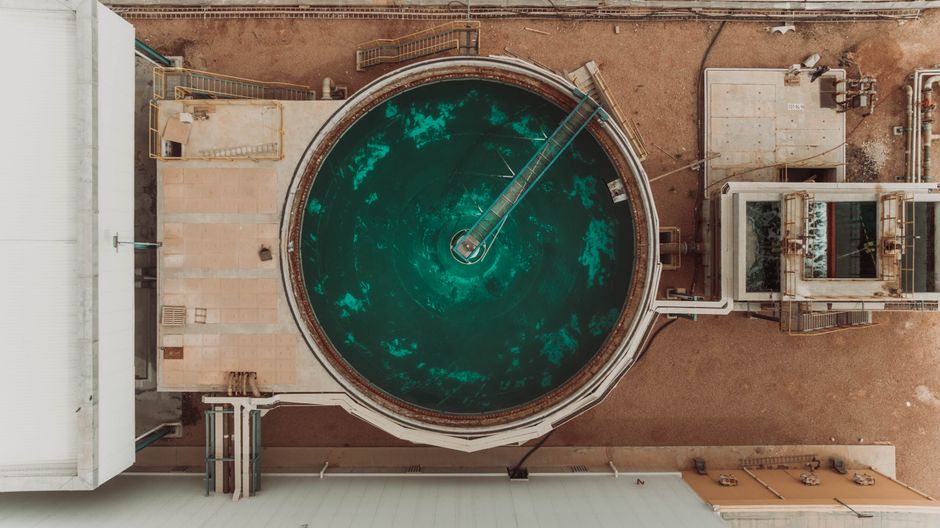
Government regulation and oversight are essential in ensuring water quality. National and local governments play a significant role in setting and enforcing water quality standards. Agencies like the Environmental Protection Agency (EPA) in the United States or the World Health Organization (WHO) globally establish guidelines that specify the maximum allowable levels of contaminants in drinking water. Regular water quality testing is essential to identify any potential contamination issues, including testing for bacterial, chemical, and heavy metal contamination. By implementing strict regulations and ensuring that water treatment facilities comply with these standards, governments can reduce the risks of contaminated water.
Water purification is another critical aspect of ensuring safe drinking water. In areas where water sources are polluted or there is limited access to clean water, people can take matters into their own hands by using water filters or purifiers. There are various methods of purification available, from simple filters that remove bacteria and sediments to more complex systems that can remove chemicals and heavy metals. Additionally, boiling water is a widely recommended method of ensuring its safety, as it kills most pathogens.
Improved sanitation and hygiene education are also key components of water safety. Proper sanitation facilities, including waste disposal and sewage treatment systems, are essential to prevent contamination of water sources. Hygiene practices such as handwashing with soap and using clean containers to store water can help prevent the spread of waterborne diseases.
Segment 4: Global Efforts and Challenges
Despite progress in addressing water contamination, access to safe drinking water remains a global challenge, particularly in developing countries. According to the WHO, over 2 billion people worldwide lack access to safely managed drinking water services. The lack of infrastructure, resources, and technical expertise in many regions hampers efforts to improve water quality and sanitation.
International organizations like the United Nations and non-governmental organizations (NGOs) are working tirelessly to address these challenges. Through initiatives like the Sustainable Development Goals (SDGs), which include a target to ensure universal access to safe drinking water by 2030, organizations are mobilizing resources to improve water quality and provide access to clean water in underserved communities.
However, funding and political will remain significant barriers to overcoming these challenges. In many low-income countries, water infrastructure projects require substantial investment, and governments may lack the resources to ensure comprehensive water treatment and distribution systems. Climate change is another factor that complicates water management, as changing weather patterns, droughts, and floods can compromise water availability and quality.
Collaboration is essential to overcoming these challenges. Governments, the private sector, and civil society must work together to build resilient infrastructure, educate communities on the importance of water safety, and implement sustainable water management practices. Innovations in water treatment, like desalination and rainwater harvesting, can help provide alternative sources of clean water, especially in areas where freshwater is scarce.








Comments 0
Sign in to join the conversation.
No comments yet. Be the first to say something.