

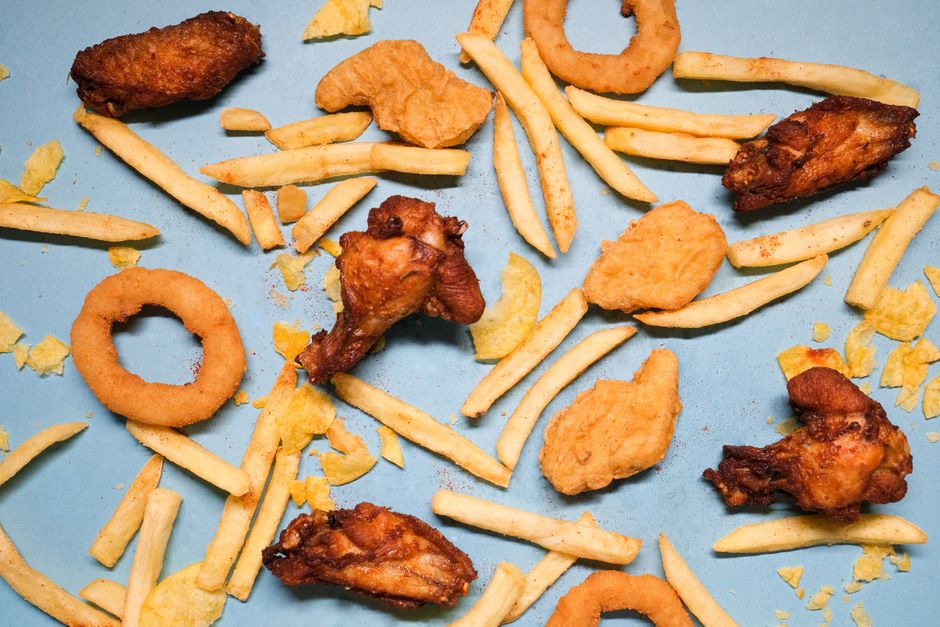
The Hidden Foods That Can Trigger a Heart Attack Within Hours
Introduction
Heart disease remains the leading cause of death worldwide, and many people unknowingly eat foods that can spike inflammation, clog arteries, or disrupt heart rhythm — sometimes within hours of consumption. While most people focus on long‑term diet habits, certain hidden foods can act like a “heart attack trigger,” particularly in individuals with existing cardiovascular risk factors.
In this in‑depth guide, you’ll uncover the surprising foods that can rapidly affect heart health, why they do this, and how to replace them with heart‑protective alternatives.
How Certain Foods Can Trigger a Heart Attack
Not all harmful foods affect the heart in the same way. Some spike blood pressure, others affect blood vessels or trigger clotting factors.
The Physiology Behind Food‑Induced Heart Events
Inflammation and plaque instability – Certain foods cause systemic inflammation that destabilizes arterial plaque.
Blood pressure spikes – High sodium and stimulants can instantly raise blood pressure.
Blood sugar surges – Extreme glucose swings increase cardiovascular stress.
Arrhythmia triggers – Specific food compounds can interfere with heart rhythm.
Hidden Foods With Heart Attack Triggers
1. Ultra‑Processed Meats
Processed meats like hot dogs, sausages, and deli meats are high in sodium and preservatives that affect heart health.
Why they’re dangerous:
High sodium → increases blood pressure
Nitrates and nitrites → oxidative stress in blood vessels
Advanced glycation end products → systemic inflammation
Common examples:
Packaged bacon
Salami
Pepperoni
Smoked meat snacks
Heart impact within hours:
Blood pressure rises
Vascular inflammation increases
Risk of clotting factors elevates
2. Sugary Beverages
Sodas and energy drinks seem harmless — but they can destabilize metabolism and trigger dangerous changes quickly.
Mechanisms of harm:
Rapid blood sugar spike
Insulin surge → heart stress
Dehydration → blood thickening
High caffeine (in some) → arrhythmia risk
Examples to avoid:
Cola drinks
Sweetened iced teas
Fruit punch beverages
Energy drinks
3. Artificial Trans Fats
Trans fats are more dangerous than almost any other food component — yet they still appear in many foods.
Why they’re harmful:
Increase LDL (“bad cholesterol”)
Lower HDL (“good cholesterol”)
Promote inflammation
Instantly impair endothelial function
Hidden sources:
Margarine spreads
Non‑dairy creamers
Packaged baked goods
Frozen pizza
4. Excess‑Salt Takeout Meals
Restaurant and takeout foods often contain hidden salt levels far above recommended limits.
What happens after eating:
Sudden blood pressure elevation
Increased arterial stiffness
Fluid retention
Acute cardiac workload spike
Notorious high‑salt foods:
Chinese takeout
Fast‑food meals
Canned soups
Deli sandwiches
5. High‑Caffeine Energy Drinks
Energy drinks with extreme caffeine doses can disrupt heart rhythm and accelerate blood pressure spikes.
Short‑term effects on the heart:
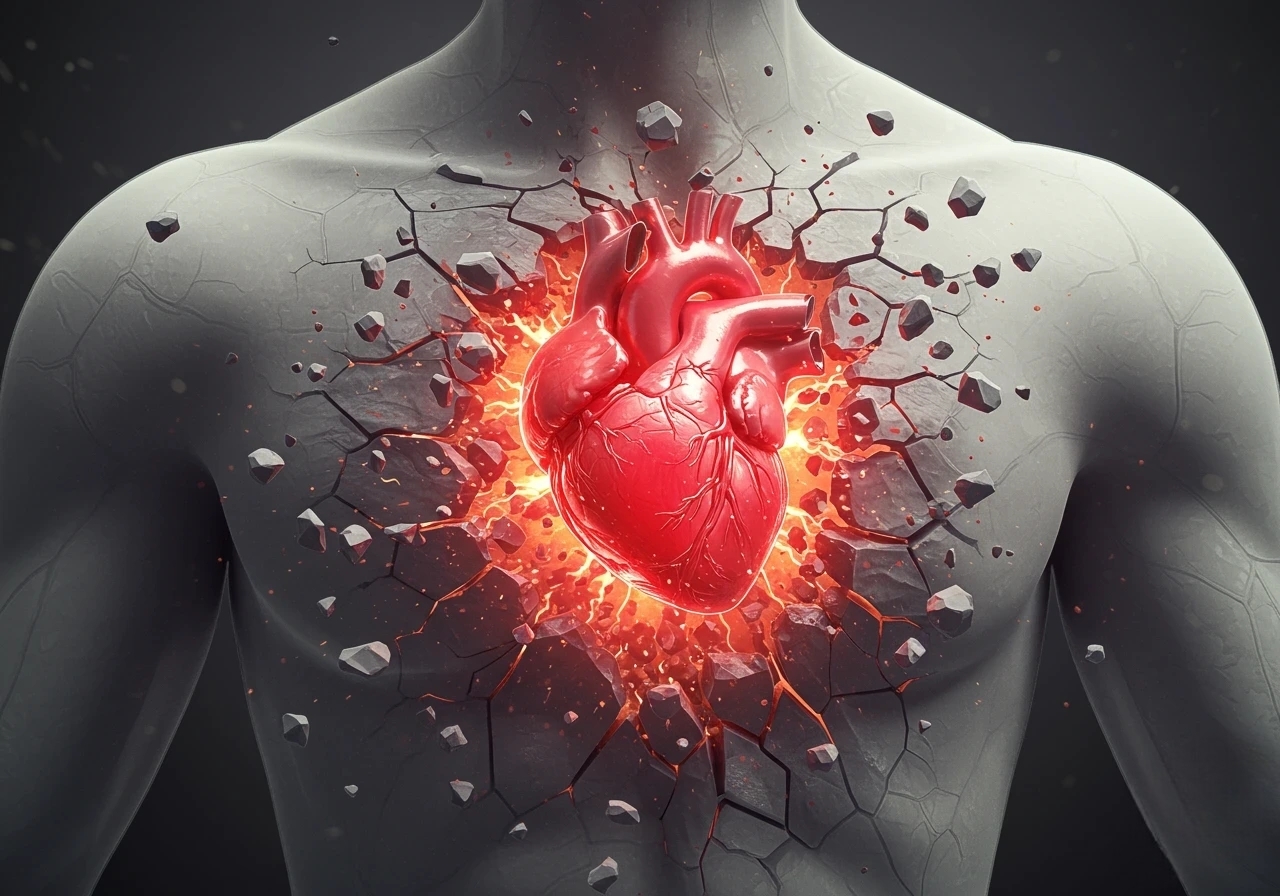
Palpitations
Rapid heartbeat
Elevated systolic pressure
Risk of arrhythmia
Other Hidden Heart Attack Triggers
6. Sugary Breakfast Cereals
Often marketed as healthy, these can cause a fast blood sugar increase.
Many contain processed sugars
Lead to insulin surges
Trigger postprandial fatigue and stress
7. Sweetened Coffee Drinks
Caffeine combined with sugar can be a double heart strain.
High glycemic load
Intense energy crash
Blood pressure fluctuations
8. Packaged Snacks With Hidden Fats and Sodium
Foods like chips, crackers, and snack mixes often carry:
Hidden trans fats
Monosodium glutamate
High sodium content
These foods are designed to be hyper‑palatable — causing overeating and acute metabolic stress.
Why Heart Attacks Can Happen Soon After Eating
Blood Pressure Spike
Some meals can raise blood pressure immediately, especially ones high in:
Sodium
Caffeine
Processed ingredients
Inflammation Response
The body reacts to harmful food compounds like a stressor, increasing inflammatory signals — a key factor in heart attack risk.
Electrical Disturbances in the Heart
Stimulants (high caffeine, sugar) can affect cardiac conduction, leading to arrhythmia.
Who’s at Highest Risk?
Some people are more vulnerable to these immediate effects:
People with high cholesterol
Hypertensive individuals
Diabetics and pre‑diabetics
People with metabolic syndrome
Those with existing heart disease
What the Research Says
(Here you can insert updated scientific studies about food triggers and heart risk. Cite credible sources.)
Symptoms to Watch After Eating Risk Foods
Immediate Symptoms
Chest pain or tightness
Shortness of breath
Lightheadedness
Rapid heartbeat
Nausea or cold sweat
When to Seek Emergency Help
If you experience:
Severe chest pain
Symptoms lasting >5 minutes
Pain spreading to arm or jaw
Fainting or severe breathlessness
Call emergency services immediately.
Heart‑Healthy Alternatives to Trigger Foods
Swap List (Instant Replacements)
Harmful FoodHeart‑Healthy SwapSugary sodaSparkling water with lemonProcessed meatGrilled turkey or chicken breastTakeout pizzaHomemade whole‑grain pizza w/ veggiesHigh‑salt snackUnsalted nuts or seedsSweetened coffeeBlack coffee or low‑fat latte
Foods That Protect Heart Health
Leafy greens (spinach, kale)
Whole grains (oats, quinoa)
Berries (blueberries, strawberries)
Fatty fish (salmon, mackerel)
Nuts and seeds (walnuts, chia)
Tips to Avoid Hidden Heart Attack Foods
Read Labels Carefully
Check for:
Sodium over 300mg per serving
Added sugars
“Partially hydrogenated oils”
Cook More at Home
Home cooking gives control over:
Salt levels
Healthy fats
Portion sizes
Choose Whole Foods
Focus on:
Vegetables
Fruits
Lean proteins
Whole grains
Conclusion
Your diet has a powerful and immediate effect on your heart. The foods listed here — often hidden in everyday meals and snacks — can increase your risk of a heart attack within hours, especially when consumed frequently or by vulnerable individuals.
The good news? With awareness and smart substitutions, you can protect your heart and make every meal work for you — not against you.
Call to Action
Start today by scanning your pantry. Replace at least three items with heart‑healthy alternatives. Your heart will thank you.







Comments 0
Sign in to join the conversation.
No comments yet. Be the first to say something.