

The Effect of Microplastics on Marine Biological systems.
The expansion of microplastics in marine conditions is a squeezing natural issue that has gathered worldwide consideration lately. Microplastics, characterized as plastic particles under five millimeters in measurement, start from different sources, including the breakdown of bigger plastic flotsam and jetsam, microbeads in private consideration items, and manufactured strands from attire. These minuscule particles are pervasive in marine environments, presenting critical dangers to marine life and, likewise, to human wellbeing and economies reliant upon marine assets.
.Sources and Pathways of Microplastics
Microplastics enter marine conditions through various pathways. One significant source is the discontinuity of bigger plastic garbage. Over the long run, openness to daylight, wind, and waves makes plastic waste separate into more modest particles. One more critical source is microbeads, which are utilized in private consideration items, for example, peeling scours and toothpaste. Regardless of guidelines prohibiting or confining their utilization in numerous nations, microbeads keep on persevering in the climate. Moreover, manufactured strands shed from materials during washing add to microplastic contamination. These strands are frequently not completely caught by wastewater treatment plants and end up in streams and seas.
.Dissemination and Aggregation in Marine Biological systems
Microplastics are disseminated all through the world's seas, from surface waters to the remote ocean, and, surprisingly, in far off polar locales. Sea flows assume a pivotal part in the conveyance of microplastics, prompting gathering in unambiguous regions, for example, the Incomparable Pacific Trash Fix. These particles can likewise choose the sea depths, defiling benthic conditions. The broad presence of microplastics in marine biological systems implies they are ingested by a great many living beings, from tiny fish to huge marine warm blooded creatures.
.Natural Effects on Marine Organic entities
The ingestion of microplastics by marine organic entities is a critical concern. Tiny fish, which structure the foundation of the marine food web, frequently botch microplastics for food. This ingestion can prompt actual mischief, like blockages in the gastrointestinal system, and possibly to death. Little fish and spineless creatures likewise devour microplastics, bringing these particles into the pecking order. As bigger hunters eat these more modest life forms, microplastics gather and amplify through trophic levels, a cycle known as biomagnification.
Microplastics can likewise go about as vectors for harmful substances.
They have a high surface region to volume proportion, permitting them to adsorb hurtful synthetic compounds from the encompassing water. These synthetic compounds,including persevering natural contaminations (POPs) and weighty metals, can desorb in the stomach related frameworks of marine living beings, prompting expanded poisonousness. This influences the strength of individual organic entities as well as have populace level effects, especially for species that are now powerless or jeopardized. including persevering natural contaminations (POPs) and weighty metals, can desorb in the stomach related frameworks of marine living beings, prompting expanded poisonousness. This influences the strength of individual organic entities as well as have populace level effects, especially for species that are now powerless or jeopardized.
Microplastics,
tiny plastic fragments, significantly impact marine ecosystems. They are ingested by marine organisms, leading to physical and chemical harm, disrupting food chains, and affecting biodiversity.These pollutants accumulate toxins, posing severe risks to marine life health and potentially entering the human food supply through seafood. 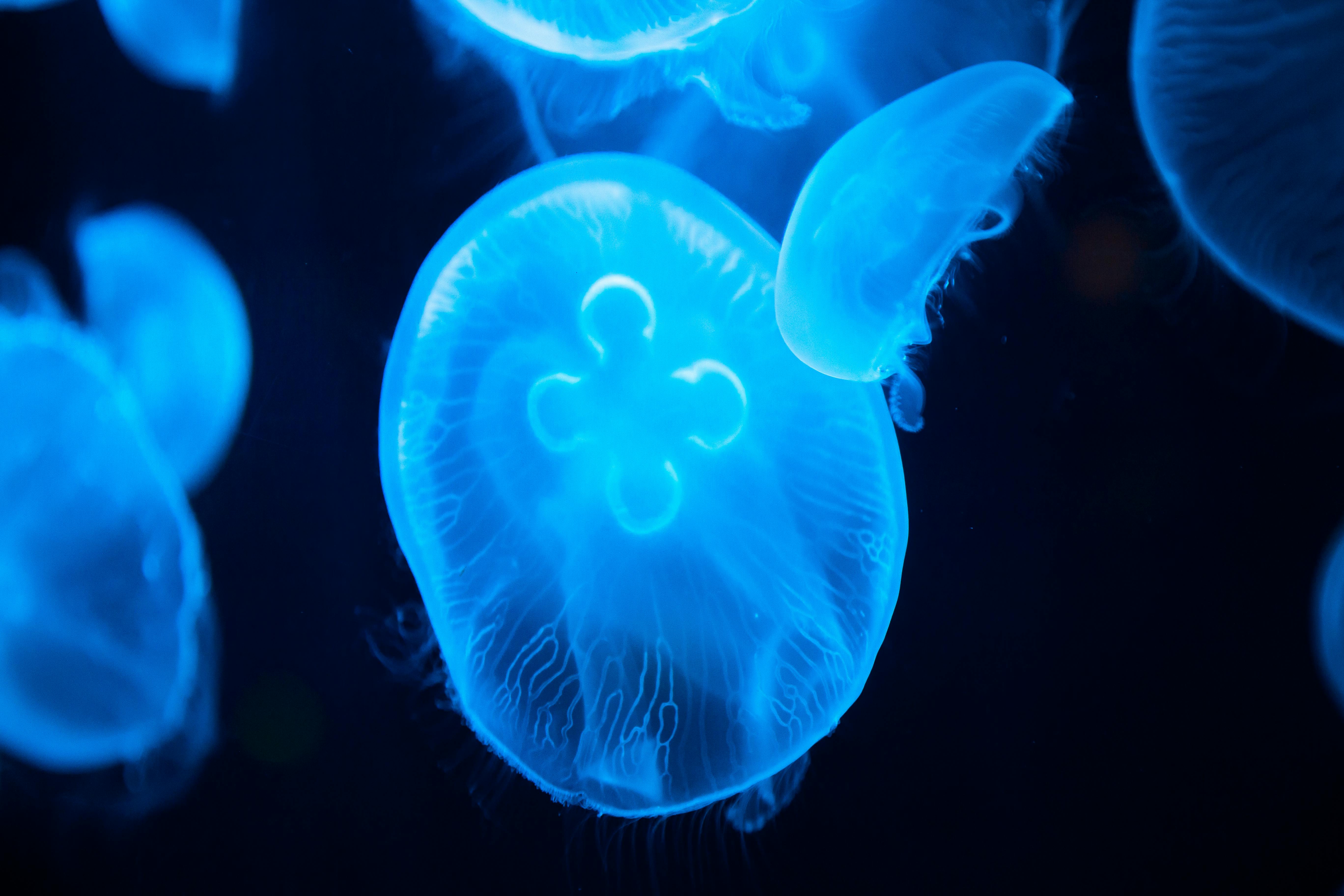

You must be logged in to post a comment.