

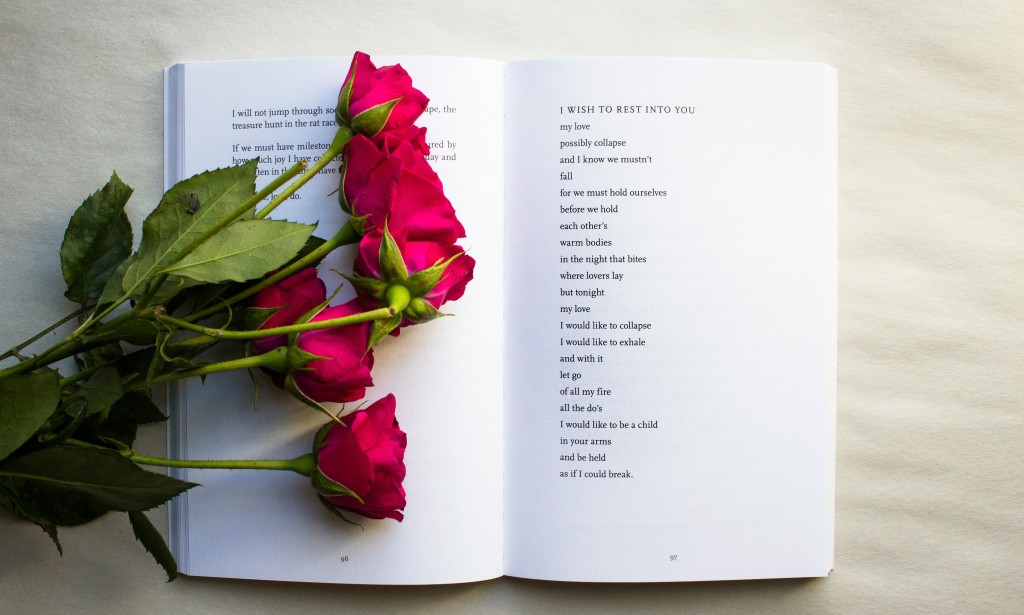
The Beauty and Power of Poetry: How Words Shape Our World
Poetry is one of the oldest and most beautiful forms of human expression. Long before stories were printed in books or shared through digital platforms, people used rhythm, words, and songs to express their feelings, preserve their histories, and communicate their experiences. Poetry has always been more than a collection of carefully arranged words. It is a way of giving emotions a voice, turning ordinary moments into meaningful experiences, and helping people understand the world around them.
Unlike ordinary writing, poetry does not always explain everything directly. Sometimes a few carefully chosen words can express feelings that an entire conversation cannot. A poem can capture happiness, heartbreak, hope, loneliness, love, or even the quiet beauty of an ordinary day. Its power lies not only in what it says but also in what it allows readers to feel and imagine.
1. Poetry: A Language of Emotions
One of the most remarkable qualities of poetry is its ability to express emotions. Human feelings are often complicated. People may struggle to explain what they are experiencing, especially when their emotions are intense or difficult to understand. Poetry offers another way to communicate these feelings.
A poet can describe heartbreak through an image of falling leaves, loneliness through an empty room, or hope through the first light of morning. These images allow readers to connect with emotions without needing a direct explanation.
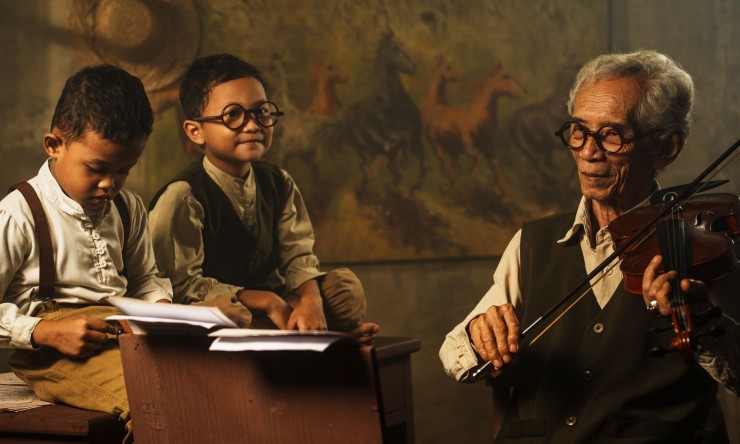
Poetry also reminds us that experiencing difficult feelings does not make us alone. When readers discover a poem that describes something they have felt but could never express, they may find comfort in knowing that someone else has experienced something similar. In this way, poetry creates an emotional connection between the writer and the reader, even if they live in different countries or belong to entirely different generations.
2. The Beauty of Words, Rhythm, and Imagination
Poetry transforms language into an artistic experience. Through metaphors, similes, imagery, symbolism, repetition, and rhythm, poets give ordinary words new meanings.
A simple description of rain, for example, can become an expression of sadness, renewal, or peacefulness depending on the poet's choice of language. A window can represent freedom, separation, or hope. The same subject can inspire countless interpretations because poetry leaves room for imagination.
Sound is another important part of poetry. Rhyme, rhythm, and repetition can make verses memorable and give them a musical quality. However, not every poem needs to rhyme. Free verse, for example, allows poets to express themselves without following a fixed rhyme scheme or traditional meter.
The beauty of poetry is that it does not follow only one pattern. Some poems are short and simple, while others are complex and philosophical. Some tell stories, and others capture a single moment. Each form offers a different experience.
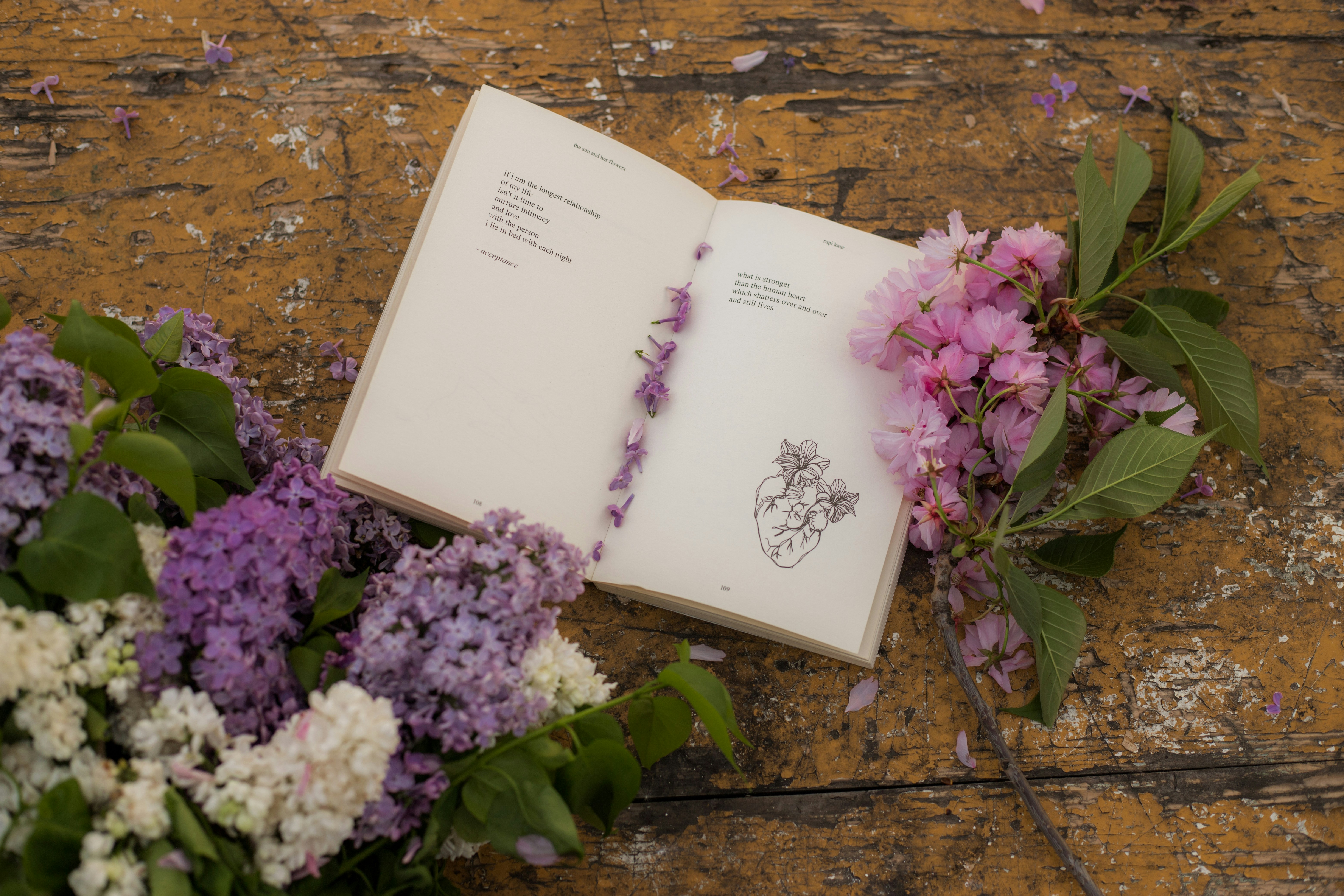
The Beauty of Words, Rhythm, and Imagination.
3. Poetry Connects People Across Generations and Cultures
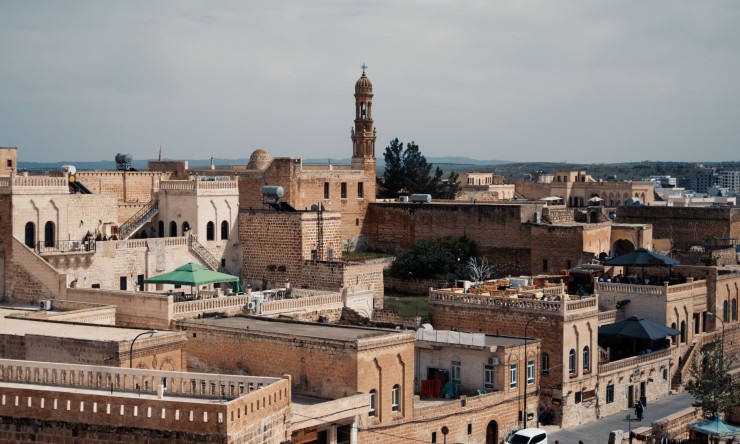
Poetry is not limited by geographical boundaries, languages, or historical periods. Different cultures have developed their own poetic traditions, reflecting their beliefs, values, struggles, celebrations, and ways of understanding life.
Classical poetry preserves stories of earlier generations, while contemporary poetry explores modern experiences and changing societies. Despite their differences, both can address universal themes such as love, identity, loss, freedom, and the search for meaning.
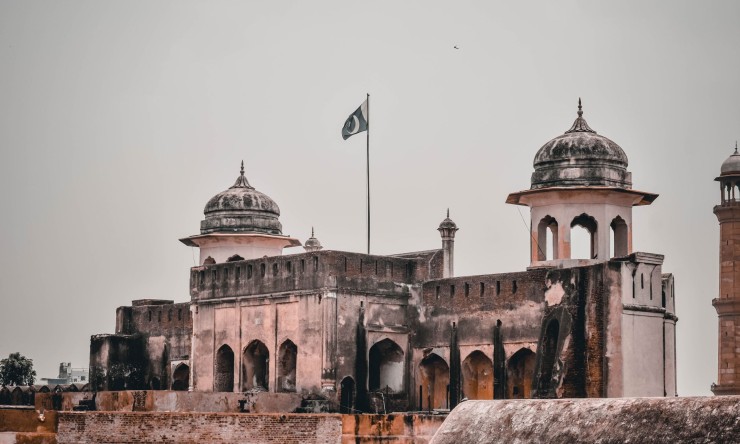
In South Asian literature, poetry has a particularly rich tradition. Urdu poets such as Mirza Ghalib and Allama Muhammad Iqbal explored subjects including love, philosophy, identity, spirituality, and human potential. Their works continue to be read, discussed, and appreciated by generations of readers.
Similarly, English-language poets such as William Shakespeare, William Wordsworth, Emily Dickinson, and Maya Angelou have contributed to the literary world through distinctive voices and perspectives.
Reading poetry from different cultures introduces us to experiences beyond our own. It encourages us to appreciate different traditions and understand that, despite our differences, many human emotions and questions are shared.
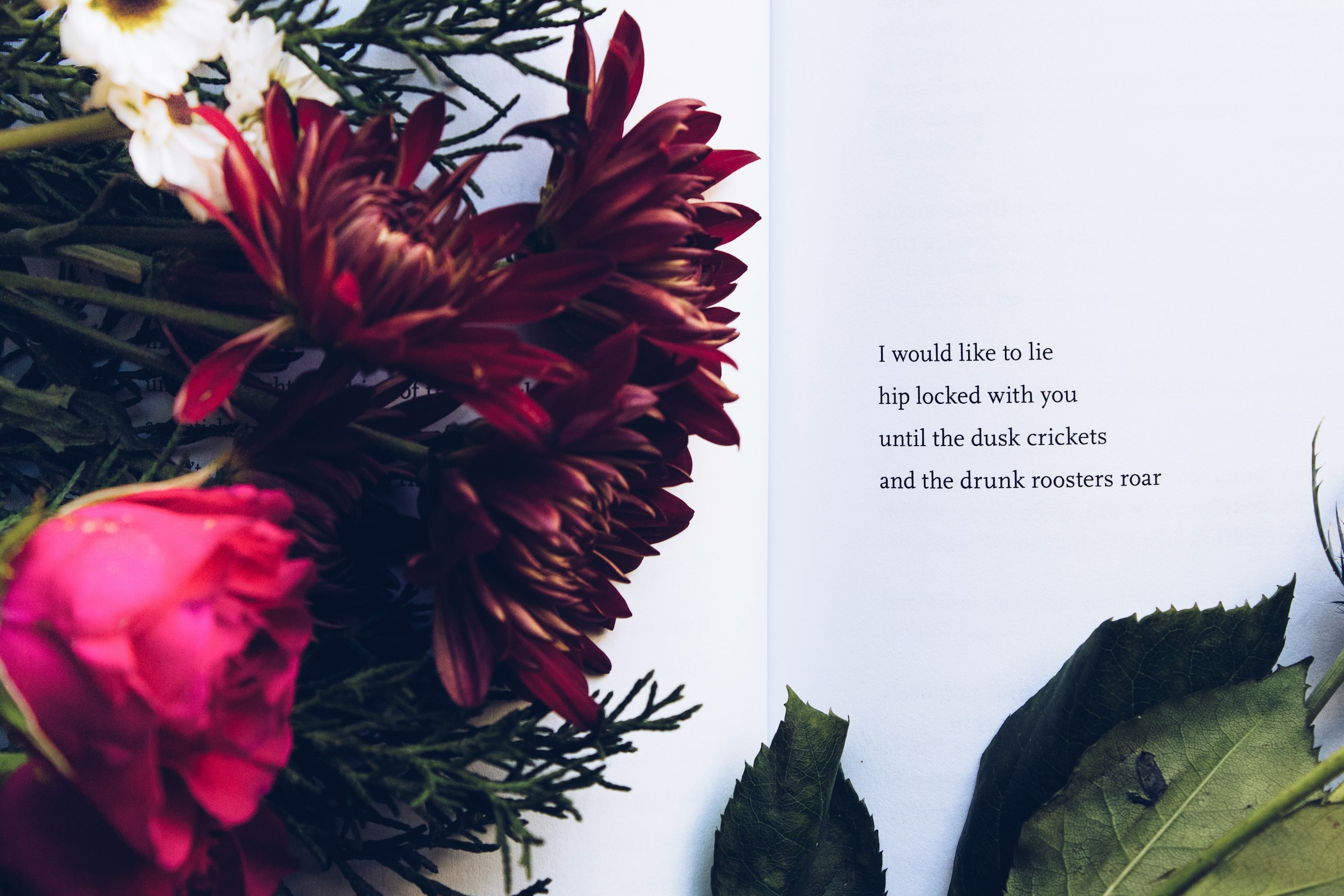
Poetry Connects People Across Generations and Cultures.
4. Poetry as a Reflection of Society
Poetry is not always about personal emotions or beautiful descriptions of nature. Throughout history, poets have also used their words to reflect social realities, question injustice, and encourage change.
Poems can explore poverty, discrimination, war, inequality, freedom, and the struggles of ordinary people. They can preserve the memories of difficult periods and give a voice to experiences that might otherwise be ignored.
Poetry can also challenge readers to reconsider their assumptions. A powerful poem may introduce a different perspective, raise uncomfortable questions, or encourage people to think more deeply about the society in which they live.
This does not mean that every poem must carry a political or social message. Some poems exist simply to celebrate beauty, express affection, or capture a personal experience. Nevertheless, poetry's ability to communicate ideas and emotions makes it a meaningful part of cultural and social conversations.
5. The Relationship Between Poetry and Mental Well-being
Writing and reading poetry can provide a meaningful opportunity for self-expression and reflection. When people put their thoughts into words, they may find it easier to examine their feelings and understand their experiences.
Keeping a poetry journal, writing a few lines about an important memory, or reading a comforting poem can become a peaceful personal activity. It allows people to slow down and pay attention to thoughts and emotions that might otherwise remain unexpressed.
Poetry can also encourage self-awareness. Writing about an experience from a different perspective may help someone reflect on what happened and what it means to them.
Although poetry is not a replacement for professional mental health support, it can be a valuable creative activity that encourages reflection, expression, and connection.
6. Why Poetry Still Matters in the Modern World
In today's fast-moving digital world, people communicate through short messages, social media posts, videos, and instant updates. Despite these changes, poetry has not disappeared. Instead, it has found new ways to reach readers.
Poetry is now shared through digital magazines, literary websites, online communities, blogs, and social media platforms. Short verses, spoken-word performances, and contemporary poetry videos introduce literary expression to audiences who may not regularly read traditional poetry books.
Digital platforms have also made it easier for emerging writers to share their work and connect with other readers and poets. Someone can write a poem in a notebook, publish it online, and reach people across the world.
However, the popularity of short-form content should not make us overlook the importance of thoughtful reading. Poetry deserves attention, patience, and interpretation. Sometimes the meaning of a poem becomes clearer only after reading it more than once.
7. How to Develop an Appreciation for Poetry
You do not need to be a literature student or an experienced writer to enjoy poetry. Anyone can begin exploring it.
Here are a few simple ways to develop an appreciation for poetry:
- Start with familiar themes: Read poems about love, friendship, nature, hope, or everyday experiences.
- Explore different poets: Discover writers from different countries, cultures, and historical periods.
- Read slowly: Give yourself time to understand the imagery, rhythm, and meaning behind each line.
- Read aloud: Listening to the sound and rhythm of a poem can make its language more engaging.
- Write your own verses: You do not need perfect vocabulary or complicated metaphors. Begin by expressing an emotion or describing a moment.
- Keep a poetry journal: Save lines that inspire you and write down your own thoughts and observations.
The purpose is not to understand every poem immediately or become an expert. It is to develop a personal connection with language and discover the different ways words can communicate meaning.
Conclusion: When Words Become More Than Words
Poetry is a reminder that language can do much more than communicate information. It can preserve memories, express emotions, challenge ideas, celebrate beauty, and connect people through shared experiences.
Its strength does not depend on the length of a poem or the complexity of its vocabulary. Sometimes a simple verse can leave a lasting impression, while a carefully crafted poem can encourage readers to reconsider how they see themselves and the world.
Even as society changes and new forms of communication emerge, poetry continues to find its place in human life. It gives shape to feelings, meaning to memories, and beauty to ordinary experiences.
Perhaps that is the greatest power of poetry: it allows us to discover extraordinary meaning in ordinary words.





Comments 0
Sign in to join the conversation.
No comments yet. Be the first to say something.