

A Manual for Psychological Well-being and Health:
Among the viewpoints most often ignored in chasing actual well-being, mental prosperity, is a crucial situation in individuals' lives. Emotional well-being incorporates close-to-home, mental, and social health; along these lines, it impacts people's thought processes, feelings, and actions. In the present quick-paced world, the significance of emotional wellness arises as fundamental for accomplishing a satisfying life.
Realizing Mental Health:
Mental health can be judged as a continuum that represents the range from optimal well-being to grave mental illness.4 These are only a few among a continuum of determinants of mental health: heritability, environment, and lifestyle.5 Also, a healthy mental condition enables one to cope with life's challenges, create strong social networks within which they operate, and realize their life goals.
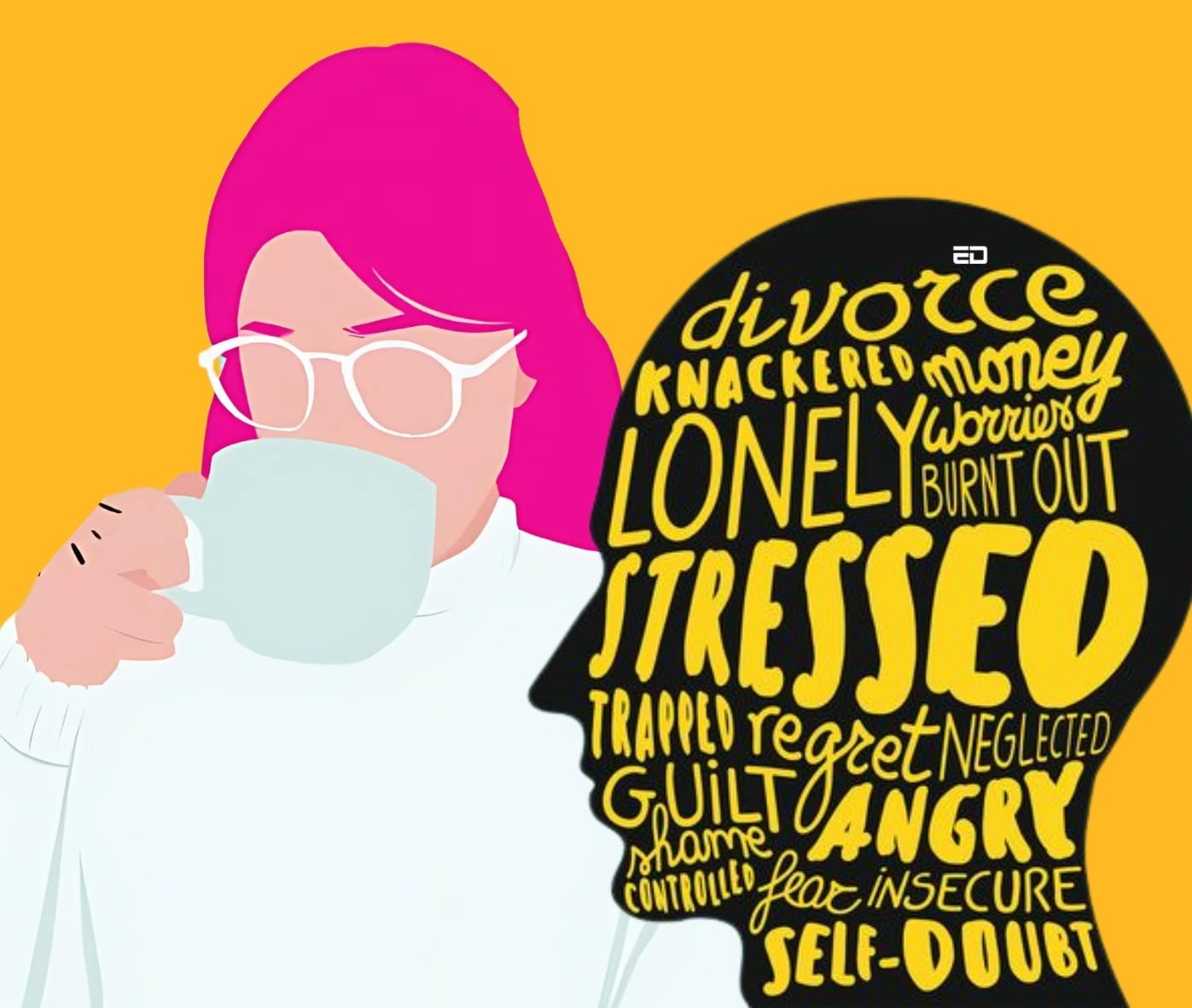
General Challenges of Psychological Health:
These are a few of the common challenges found within a mental health spectrum that can all be experienced by an individual at any age:
Anxiety Disorders: anxiety is a condition involving excessive worry and fear of something; generalized anxiety disorder, panic disorder, and social anxiety are some examples of anxiety.
Depressive Disorder: This mood disorder brings about the long-term experience of sadness and hopelessness with, at times, wrenching feelings of worthlessness, which are irritating to normal life.
Bipolar Disorder: A Mental Illness with very high mood swings-the manic and depressive phases.
Schizophrenia: This serious mental disorder is characterized by hallucinatory and delusional experiences and disorganized thoughts.
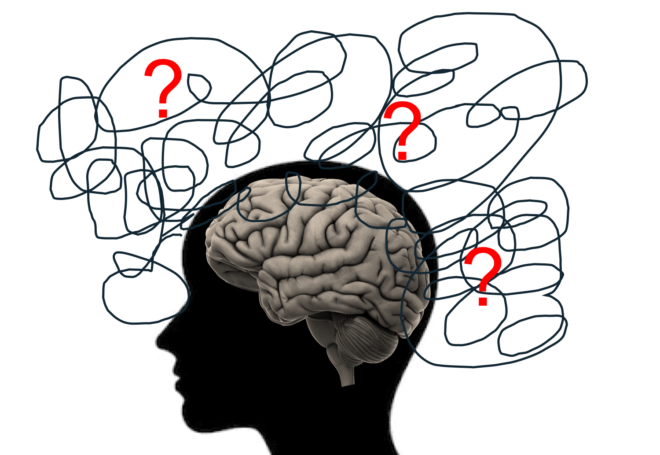
What Mental Health Does to General Well-Being:
Poor mental health leads to far more probable consequences for damaging not only the emotional states but also the most important physical states.13 Poor mental health will lead to:
Sicknesses of the Body: Mental disorders can lead to many physical disorders, including coronary heart disease, strokes, or immune system abnormalities.
Drug Abuse: Patients who suffer from mental disorders also tend to use psychoactive substances such as alcohol and drugs to manage their symptoms.
Marital Problems: Mental health problems usually create friction between families, friends, and partners.
Reduced Productivity: Poor mental health may negatively affect one's performance at work or school. The variety of ways of bettering Mental Health and Well-being: Mental health probably is among the most important requisites to have overall well-being. So, these are some practical ways of promoting mental health:
Self-care Activities:
Mindfulness: The practice of mindfulness or meditation often reduces stress and anxiety when trying to be in the present moment.
Physical Activity: Physical exercises are thought to release endorphins into the blood that tend to raise moods and relieve stress.
Healthy Diet: A balanced diet is the main source of essential nutrients for the brain to function optimally.
Sleep: Proper sleep is very important for mental and physical health.
Supporting the Brain: A Manual for Psychological Well-being and Health

Developing Strong Ties:
Connecting with the Society:Being with families and friends with whom one has contact can be a source of support and negate that sense of loneliness.
Being with families and friends with whom one has contact can be a source of support and negate that sense of loneliness.
Effective Communication: Open and honest communication with others can strengthen relationships and alleviate stress.
Professional Counseling:Psychotherapy also has the benefit of helping people to go through their issues about mental health and form coping mechanisms.
In treatment planning, it is important to consider medication as a possible adjunct to therapy or other interventions in the management of some symptoms of mental illness.
Psychotherapy also has the benefit of helping people to go through their issues about mental health and form coping mechanisms.
In treatment planning, it is important to consider medication as a possible adjunct to therapy or other interventions in the management of some symptoms of mental illness.

Removing the Barriers:
One of the greatest impediments to seeking help for mental health challenges is the stigma of mental illnesses. It's up to us to try to do away with those poor stereotypes and promote understanding and compassion. Talking about mental health and obtaining help when necessary can open the doors toward the awareness and encouragement of others to do the same.
Mental health is a crucial aspect of well-being. We need to concern ourselves with our innate nature, be firm about having great relationships, and seek outside intervention whenever necessary to have a clear mind and therefore a worthwhile life. That is not to say that one should feel ashamed if he or she is not triggered into feeling very well; asking for or being in search of assistance should be regarded as a strength, rather than a weakness.
Conclusion:
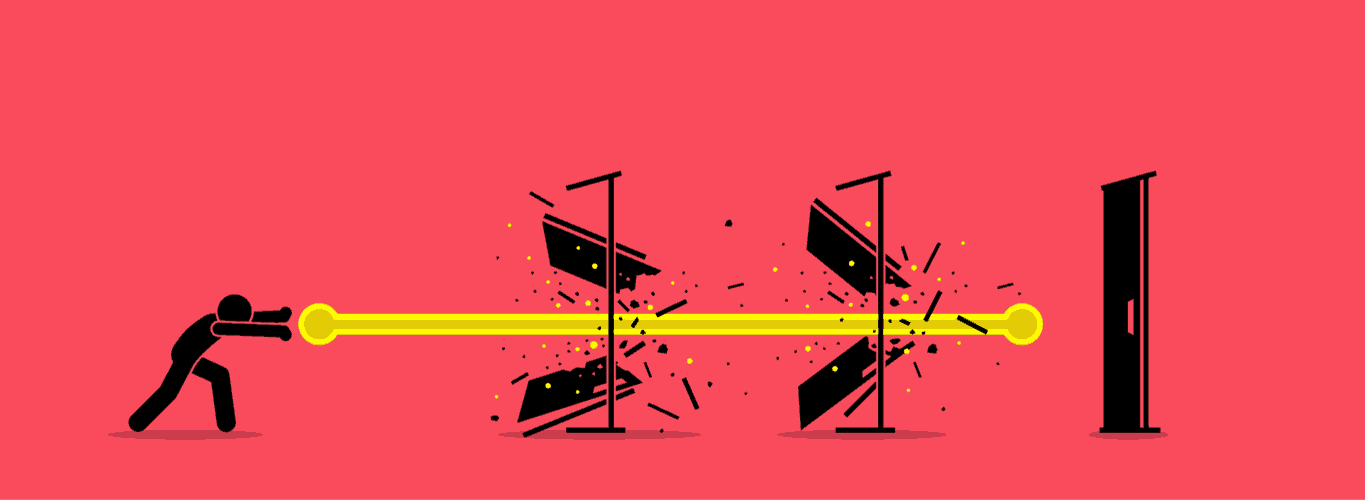
These days we can understand mental health as the influence of well-being on our thoughts, emotions, and behaviors. It involves understanding which factors can contribute to mental health; recognizing the most common types of mental health problems that people might experience; and knowing how effective strategies could be used to effectively cultivate all positive mental states in fulfilling living.
It is perfectly fine to ask for help or seek assistance when needed. One of the most important tasks that health professionals have to face today is to break down stigma on mental health, as this will provide an environment where most people can comfortably discuss issues related to their mental well-being. Thus, human beings take proactive steps to keep their mental health developed and become empowered not to break through progressive periods but to become conditioned by their resistance.


You must be logged in to post a comment.