


1. Understanding the Immune System
The immune system is a complex network of cells, tissues, and organs working together to protect the body from harmful invaders like bacteria, viruses, and toxins. This intricate system relies on a balanced approach to function optimally. Immune defenses are divided into two main categories: innate immunity, which provides immediate defense, and adaptive immunity, which develops over time in response to specific pathogens. Maintaining a robust immune system ensures the body is better prepared to fend off illnesses, making proactive care essential.
A weakened immune system can lead to frequent infections, prolonged illness, and even chronic conditions. Environmental factors, lifestyle choices, and age can all impact immune functionality. Understanding the basics of your immune system is the first step toward nurturing it naturally.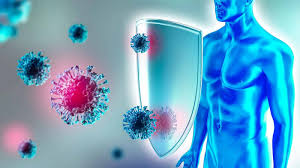
2. The Role of Nutrition in Immune Health
Nutrition plays a pivotal role in strengthening immunity. A balanced diet rich in fruits, vegetables, whole grains, lean proteins, and healthy fats provides essential nutrients that support immune functions. Key vitamins and minerals such as Vitamin C, Vitamin D, Zinc, and Selenium are known to enhance immune response.
Foods like citrus fruits, leafy greens, nuts, seeds, and fatty fish are particularly beneficial. Probiotic-rich foods, such as yogurt and fermented products like kimchi, promote a healthy gut microbiome, which is directly linked to immunity. Staying hydrated is equally important, as water aids in circulating nutrients and flushing out toxins.
Avoiding processed foods, excessive sugar, and alcohol can further bolster your immune health. These items can suppress the immune response and lead to inflammation, making your body more susceptible to infections.
3. Importance of Regular Exercise
Physical activity is another cornerstone of a strong immune system. Moderate, consistent exercise enhances blood circulation, helping immune cells to travel efficiently throughout the body. It also reduces inflammation and supports healthy cellular turnover.
Studies indicate that regular exercise can lower the risk of chronic diseases and infections by maintaining a balanced immune response. However, it’s crucial to avoid overtraining, as excessive exercise can have the opposite effect and temporarily weaken immunity.
Incorporating activities like brisk walking, yoga, or swimming into your daily routine can provide significant benefits. Aim for at least 30 minutes of moderate exercise most days of the week to optimize your immune health.
4. Managing Stress for a Stronger Immune System
Chronic stress can wreak havoc on your immune system. When stress levels are high, the body produces elevated amounts of cortisol, a hormone that can suppress immune function over time. Learning to manage stress effectively is vital for overall health.
Mindfulness practices such as meditation, deep breathing exercises, and progressive muscle relaxation can help lower stress levels. Additionally, engaging in hobbies, spending time in nature, and maintaining social connections are proven stress relievers that contribute to better immune health.
Recognizing and addressing stress triggers early can prevent long-term damage to your immune system. Combining stress management techniques with other healthy lifestyle choices creates a holistic approach to immunity.
5. Restorative Sleep and Immunity
Quality sleep is a non-negotiable for immune health. During sleep, the body repairs cells, produces immune-supporting proteins like cytokines, and strengthens its defenses against pathogens. Adults should aim for 7-9 hours of uninterrupted sleep each night.
Sleep deprivation impairs immune function, making you more prone to infections. Establishing a consistent sleep routine, reducing screen time before bed, and creating a calming sleep environment can significantly enhance the quality of your rest.
Supplementing your diet with sleep-promoting foods like bananas, almonds, and chamomile tea can also help. If sleep issues persist, consulting a healthcare professional is advised to address underlying concerns.
6. Additional Natural Tips to Boost Immunity
- Stay Hygienic: Washing your hands regularly and maintaining a clean environment minimizes exposure to harmful microbes.
- Limit Toxins: Avoid smoking and minimize exposure to pollutants and chemicals, which can weaken the immune system.
- Herbal Supplements: Natural remedies like echinacea, elderberry, and turmeric have been shown to support immune health.
- Regular Check-Ups: Preventive healthcare and vaccinations can safeguard you against potential illnesses.







Comments 0
Sign in to join the conversation.
No comments yet. Be the first to say something.