

Table of Contents
- Common Skin Conditions: An Overview
- Causes and Triggers of Skin Conditions
- Ringworm: An Infectious Misconception
- Rosacea: Managing a Chronic Condition
- Eczema: A Multifaceted Skin Concern
- Prevention and Treatment of Skin Conditions
1. Common Skin Conditions: An Overview
The skin is our largest organ, acting as a protective barrier while also being susceptible to numerous conditions. Common issues like redness, itchiness, or inflammation may indicate conditions such as rosacea, eczema, or ringworm. Each comes with its own set of triggers, symptoms, and treatments.
While many skin conditions are not life-threatening, they can significantly impact quality of life. Understanding their nature and management is essential for maintaining healthy skin and overall well-being.

2. Causes and Triggers of Skin Conditions
Skin conditions can result from a variety of causes, ranging from genetic predispositions to environmental triggers. For example:
- Genetic factors: Conditions like atopic dermatitis often run in families.
- Infections: Bacterial (impetigo) or fungal (ringworm) infections can lead to skin issues.
- Allergens: Contact dermatitis may arise from exposure to irritants like soaps or chemicals.
- Sun exposure: Chronic UV exposure can result in actinic keratosis, a potentially precancerous condition.
Recognizing these causes can help in effective prevention and management.
3. Ringworm: An Infectious Misconception
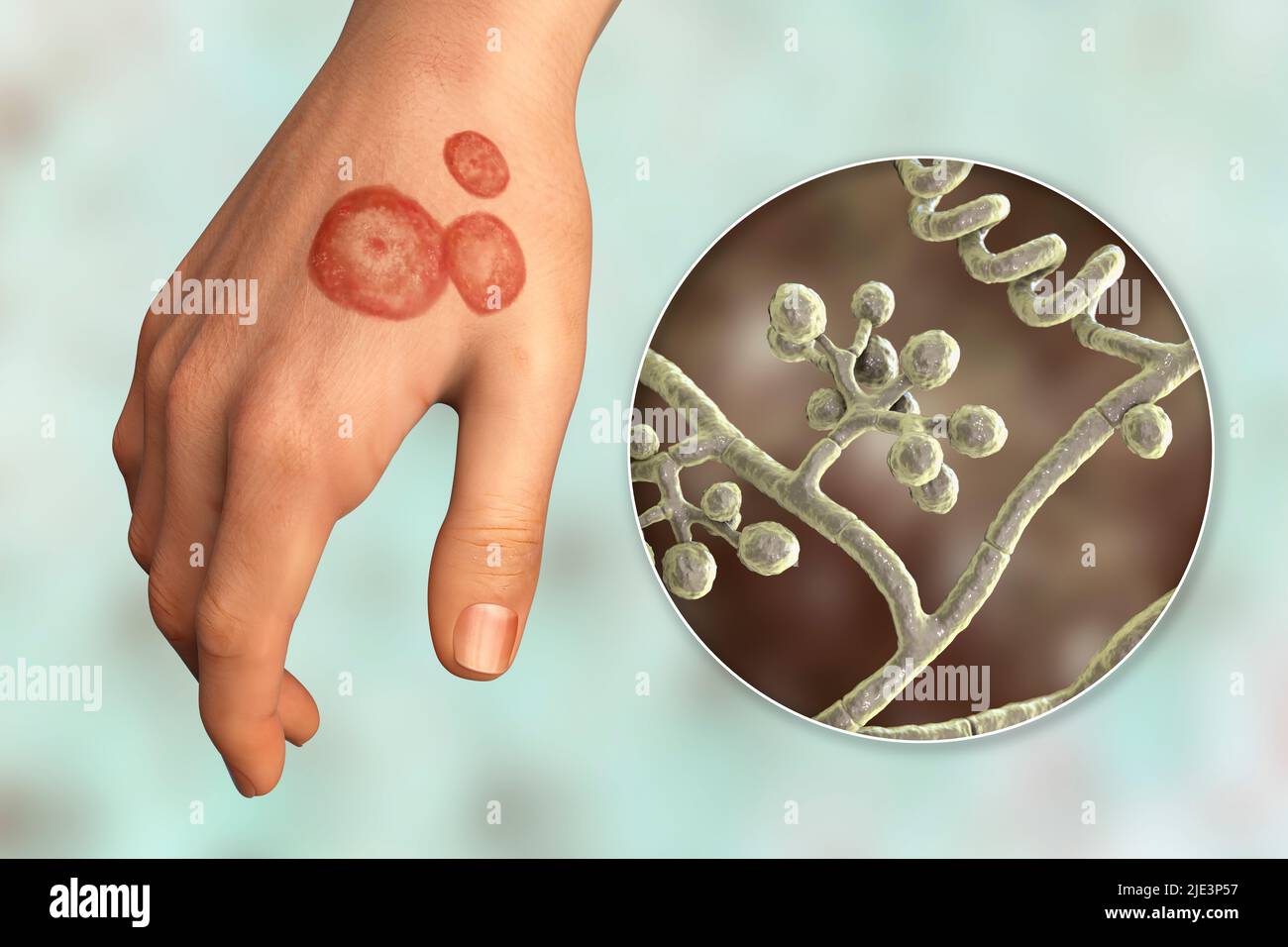
Despite its name, ringworm has nothing to do with worms. It is caused by a contagious fungal infection that thrives on skin, towels, and bedding. Its hallmark is a red, ring-shaped rash that is itchy and sometimes scaly.
Treatment: Antifungal creams or oral medications are effective in treating ringworm. Additionally, good hygiene practices can prevent its spread.
Understanding its contagious nature and early signs is vital to prevent its progression and transmission.
4. Rosacea: Managing a Chronic Condition
Rosacea is a chronic skin condition characterized by facial redness, flushing, and sometimes visible blood vessels. It affects approximately 14 million Americans, often appearing between ages 30 and 60. Women are more likely to develop rosacea, though men may experience more severe symptoms.
Triggers: Hot beverages, spicy foods, and sun exposure can exacerbate rosacea.
Management: While there is no cure, treatments like topical creams, laser therapy, and lifestyle adjustments can help control symptoms.
Early diagnosis and tailored treatments can significantly reduce its impact on daily life.
5. Eczema: A Multifaceted Skin Concern
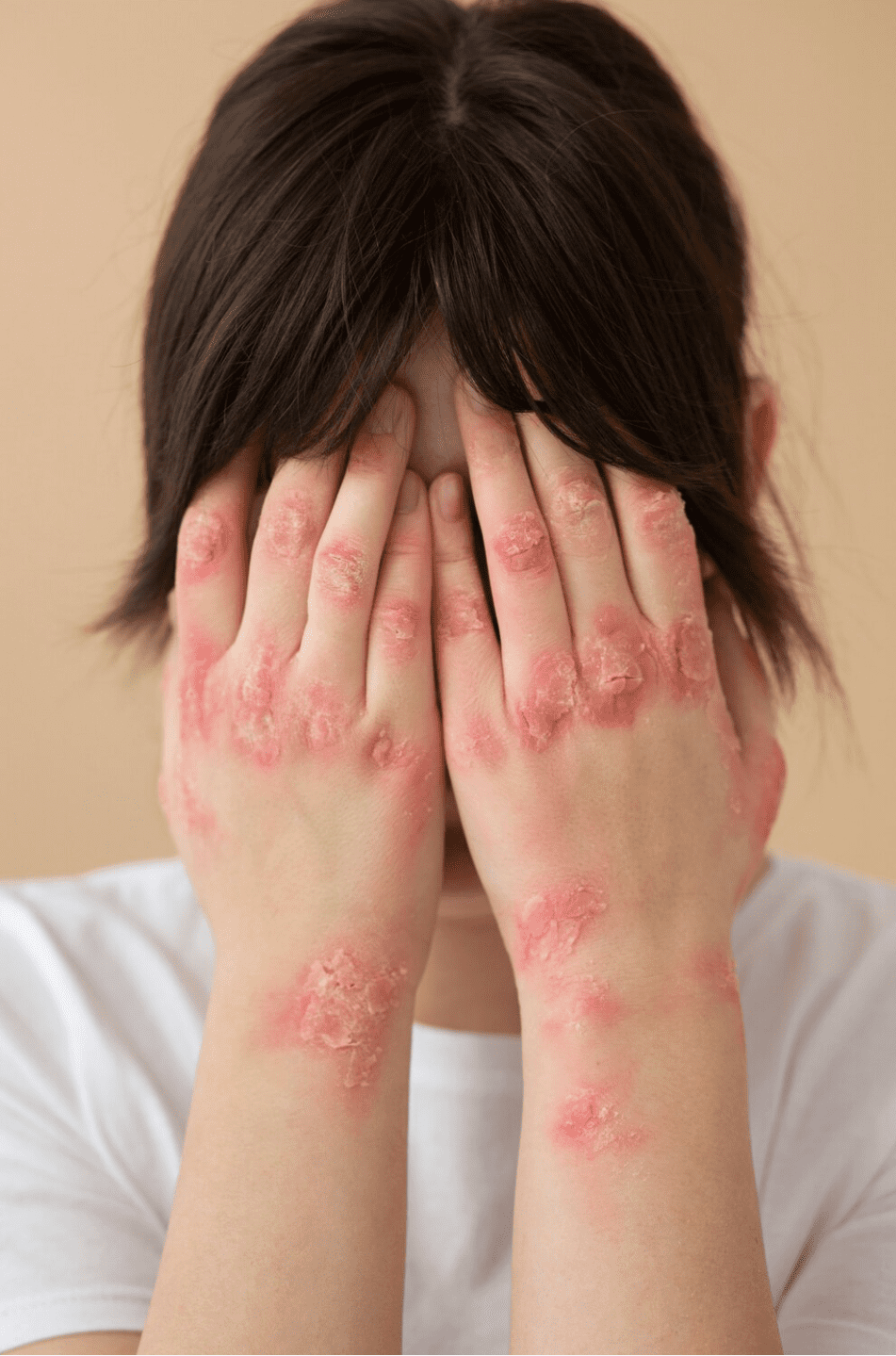
Eczema, also known as dermatitis, encompasses a group of conditions causing inflamed, itchy, and irritated skin. Atopic dermatitis, the most common type, often begins in childhood and may persist into adulthood.
Symptoms: Redness, dry patches, and intense itching.
Causes: Eczema often results from a combination of genetic and environmental factors, such as allergens or harsh weather conditions.
Treatment: Moisturizers, corticosteroid creams, and lifestyle changes like reducing exposure to allergens are commonly prescribed. Advances in treatments, including biologics, offer hope for severe cases.
6. Prevention and Treatment of Skin Conditions
While some skin conditions are unavoidable due to genetic factors, others can be managed or prevented by adopting healthy practices:
- Good hygiene: Regular cleansing and using clean towels can prevent infections like ringworm and impetigo.
- Sun protection: Sunscreen use can reduce the risk of actinic keratosis and other UV-related conditions.
- Allergy management: Identifying and avoiding triggers can prevent conditions like contact dermatitis.
- Regular check-ups: Consulting a dermatologist for persistent or severe symptoms ensures timely diagnosis and treatment.
By combining preventive care with proper treatments, most skin conditions can be managed effectively, enhancing overall skin health.
Conclusion
Skin conditions like rosacea, eczema, and ringworm may vary in severity but share a common need for attention and care. Recognizing symptoms early and seeking appropriate treatment can help mitigate their impact. Whether through professional guidance or preventive measures, maintaining skin health contributes to improved confidence and quality of life.
Encourage conversations around skin health to break the stigma and promote better understanding. After all, healthy skin is a reflection of a healthy you.

You must be logged in to post a comment.