

Sitting Is the New Silent Killer: How 8 Hours on a Chair Is Secretly Rewiring Your Body Toward Disease

Introduction
In today’s hyper-connected world, sitting has become the default position for millions of people. From office desks to long commutes, binge-watching sessions to scrolling on smartphones, the average person now spends more than 8 hours a day seated. What seems harmless—even comfortable—may actually be quietly reshaping your body in ways that increase the risk of serious disease.
“Sitting is the new smoking” is no longer just a catchy phrase—it reflects a growing body of scientific concern. Prolonged sitting doesn’t just affect posture; it disrupts metabolism, weakens muscles, slows circulation, and even alters brain function. The danger lies in its subtlety. There’s no immediate pain or warning sign, but over time, the damage accumulates.
This article explores how long hours on a chair are silently rewiring your body, the science behind sedentary behavior, and most importantly—what you can do to reverse the effects before it’s too late.
H2: The Modern Sitting Epidemic
H3: How Did Sitting Become So Dominant?
Over the last few decades, human lifestyles have shifted dramatically. Technology has replaced movement:
Office jobs require long hours at desks
Entertainment is screen-based
Transportation minimizes physical effort
Remote work reduces daily activity even further
This shift has created a sedentary culture where movement is optional rather than essential.
H3: Average Sitting Time Worldwide
Studies suggest that adults sit between 7 to 10 hours daily, with some professionals exceeding 12 hours. Even those who exercise regularly are not immune—because prolonged sitting can offset many benefits of workouts.
H2: What Happens to Your Body When You Sit Too Long?

H3: Metabolism Slows Down
When you sit for extended periods:
Calorie burning drops significantly
Fat-burning enzymes become less active
Blood sugar regulation worsens
This can lead to weight gain, insulin resistance, and eventually metabolic disorders.
H3: Muscles Begin to Weaken
Sitting deactivates key muscle groups:
Glutes become weak and underused
Core muscles lose strength
Hip flexors tighten
Over time, this leads to poor stability, reduced mobility, and increased injury risk.
H3: Blood Circulation Becomes Sluggish
Remaining seated for long hours causes:
Reduced blood flow to the legs
Increased risk of blood clots
Swelling and discomfort
Poor circulation also affects oxygen delivery to vital organs.
H2: The Hidden Link Between Sitting and Chronic Disease
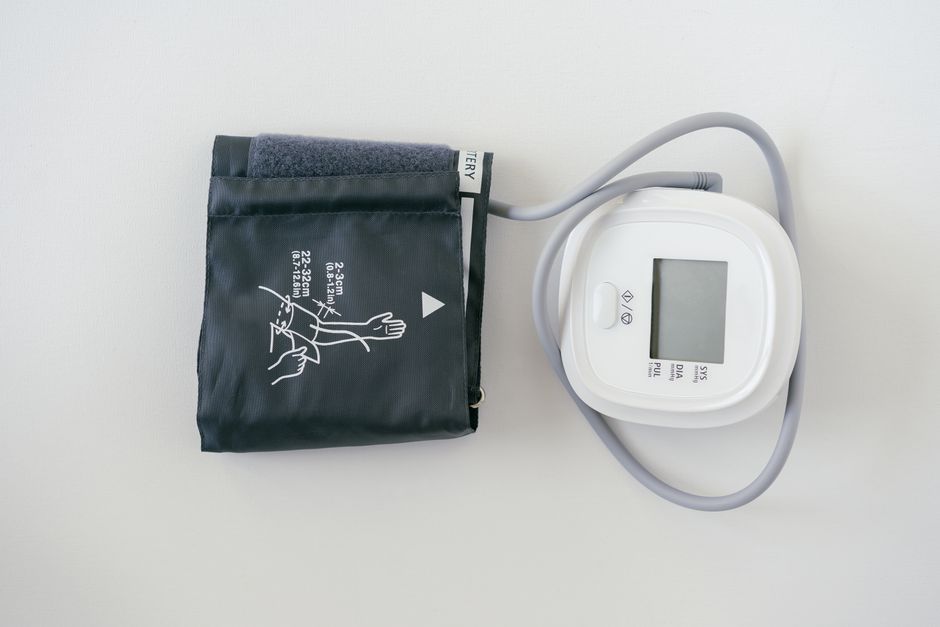
H3: Heart Disease Risk Increases
Sedentary behavior is strongly linked to cardiovascular problems:
Higher blood pressure
Elevated cholesterol levels
Increased risk of heart attacks
Even physically active individuals are at risk if they sit too long without breaks.
H3: Type 2 Diabetes and Insulin Resistance
Long periods of inactivity impair how the body processes glucose:
Cells become less responsive to insulin
Blood sugar levels rise
Risk of developing diabetes increases
H3: Obesity and Weight Gain
Sitting reduces energy expenditure while often increasing calorie intake (snacking, screen time), leading to:
Fat accumulation
Slower metabolism
Difficulty losing weight
H2: How Sitting Rewires Your Brain
H3: Reduced Cognitive Function
Physical inactivity affects the brain as much as the body:
Decreased blood flow to the brain
Lower oxygen levels
Reduced mental sharpness
H3: Increased Risk of Anxiety and Depressio
Sedentary lifestyles are linked to mental health issues:
Less movement means fewer endorphins
Isolation from prolonged screen time
Increased stress levels
H3: Memory and Focus Decline
Studies show that prolonged sitting may impact memory-related brain regions, leading to:
Poor concentration
Reduced productivity
Slower information processing
H2: The Posture Problem: Sitting Is Reshaping Your Spine
H3: Forward Head and Rounded Shoulders
Common sitting posture leads to:
Neck strain
Shoulder tightness
Chronic pain
H3: Lower Back Pain
Sitting places pressure on the lumbar spine:
Disc compression increases
Muscles weaken
Pain becomes chronic
H3: Long-Term Structural Damage
Over time, poor posture can cause:
Spinal misalignment
Reduced flexibility
Permanent changes in body structure
H2: The “Active Couch Potato” Myth
H3: Why Exercise Alone Isn’t Enough
You might think a daily workout cancels out sitting—but research suggests otherwise.
Even if you exercise for 1 hour:
Sitting for 8+ hours still harms metabolism
Muscle inactivity persists during long sitting periods
Health risks remain elevated
H3: Movement Throughout the Day Is Essential
The body thrives on consistent, low-level activity—not just intense workouts.
H2: Warning Signs Your Body Is Suffering From Too Much Sitting
Watch for these subtle signals:
Constant fatigue
Stiff neck and shoulders
Lower back pain
Weight gain despite normal eating
Poor posture
Reduced energy levels
These signs often appear gradually and are easy to ignore.
H2: Simple Ways to Break the Sitting Cycle
H3: The 30–60 Minute Rule
Stand up and move every 30 to 60 minutes:
Stretch
Walk around
Do light activity
Even 2–3 minutes of movement can make a difference.
H3: Use a Standing Desk
Alternating between sitting and standing helps:
Improve posture
Boost circulation
Increase energy levels
H3: Incorporate Micro-Movements
Small actions throughout the day add up:
Take stairs instead of elevators
Walk during phone calls
Do quick stretches
H2: Exercises to Reverse Sitting Damage
H3: Stretching Tight Muscles
Focus on:
Hip flexor stretches
Hamstring stretches
Chest-opening exercises
H3: Strengthening Weak Muscles
Key exercises include:
Glute bridges
Planks
Squats
H3: Mobility Drills
Improve flexibility and joint health:
Spinal twists
Shoulder rolls
Neck stretches
H2: Workplace Strategies to Stay Active
H3: Redesign Your Work Routine
Schedule movement breaks
Set reminders to stand
Use apps that track inactivity
H3: Active Work Habits
Walking meetings
Standing calls
Desk exercises
H2: Long-Term Benefits of Reducing Sitting Time
H3: Improved Physical Health
Better metabolism
Stronger muscles
Reduced disease risk
H3: Enhanced Mental Clarity
Improved focus
Better mood
Increased productivity
H3: Increased Longevity
Reducing sedentary time is associated with a longer, healthier life.
H2: The Science Is Clear—Movement Is Medicine

Your body was designed to move, not remain fixed in one position for hours. Every step you take, every stretch you perform, and every moment you choose to stand instead of sit contributes to better health.
The danger of sitting lies not in its comfort, but in its consistency. It slowly rewires your body toward dysfunction—unless you actively interrupt the cycle.
H2: Practical Daily Routine to Combat Sitting
Here’s a simple plan:
Morning:
Stretch for 5–10 minutes
Walk or light activity
Work Hours:
Stand every 30–60 minutes
Take short walking breaks
Evening:
Light exercise or walk
Avoid prolonged screen sitting
H2: Frequently Asked Questions (FAQs)
H3: Is sitting really that dangerous?
Yes. Prolonged sitting is linked to multiple chronic diseases, even in people who exercise regularly.
H3: How many hours of sitting is too much?
More than 6–8 hours daily increases health risks significantly.
H3: Can exercise cancel out sitting?
Not completely. Regular movement throughout the day is essential.
H3: What is the best sitting posture?
Back straight
Feet flat on the floor
Screen at eye level
But even perfect posture doesn’t eliminate the risks of long sitting.
H3: How often should I take breaks?
Every 30–60 minutes for optimal health.
Conclusion
Sitting may feel harmless, but its long-term effects are anything but. It quietly slows your metabolism, weakens your muscles, disrupts your circulation, and increases your risk of serious disease. The real danger is how easily it becomes part of everyday life.
The good news? You don’t need drastic changes to protect yourself. Small, consistent actions—standing more, moving frequently, and staying aware—can dramatically improve your health.
Your body is constantly adapting. The question is: are you shaping it toward strength and vitality—or letting it drift toward disease?
The choice is made one movement at a time.








Comments 0
Sign in to join the conversation.
No comments yet. Be the first to say something.