


Simple Swap: Replace Salt with Herbs to Lower Blood Pressure
High blood pressure, or hypertension, affects millions of people worldwide and is a significant risk factor for heart disease, stroke, and other chronic conditions. While medication and lifestyle changes are commonly recommended to manage blood pressure, a new study highlights a simple yet powerful adjustment to your diet: replacing salt with herbs and spices.
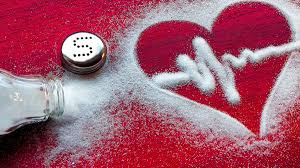
Sodium, primarily consumed through salt, is a necessary nutrient for bodily functions, including fluid balance and nerve transmission. However, excessive sodium intake is a well-documented contributor to high blood pressure. According to the American Heart Association (AHA), the recommended daily sodium intake is no more than 2,300 milligrams, with an ideal limit of 1,500 milligrams for most adults. Unfortunately, the average person consumes much more than these guidelines, often unknowingly through processed and restaurant foods.
Excessive sodium causes the body to retain water, which increases blood volume and places extra pressure on blood vessels. Over time, this can lead to stiffened arteries, heart strain, and heightened risk for cardiovascular diseases. Reducing sodium intake is a cornerstone of blood pressure management, but many people find it challenging to cut back because salt enhances the flavor of food.
The New Study: Herbs and Spices as a Game-Changer
A groundbreaking study published in a peer-reviewed journal sheds light on how replacing salt with herbs and spices can effectively lower blood pressure. Researchers found that participants who used a blend of herbs and spices instead of salt experienced significant reductions in systolic and diastolic blood pressure over a 12-week period.
The study divided participants into two groups: one continued their typical sodium-rich diet, while the other substituted salt with a flavorful mix of herbs and spices such as basil, oregano, turmeric, garlic powder, and cayenne. Both groups were encouraged to prepare their meals at home to maintain control over their sodium intake. The results showed a marked improvement in the herb-and-spice group, not only in blood pressure levels but also in overall satisfaction with their meals.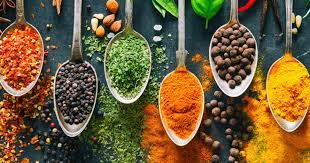
Why Herbs and Spices Work
Herbs and spices offer a variety of health benefits beyond their ability to replace salt. Here’s how they can contribute to better blood pressure management:
-
Rich in Antioxidants: Many herbs and spices, such as turmeric and oregano, contain antioxidants that reduce inflammation and improve heart health.
-
Enhancing Flavor Without Sodium: Herbs and spices add depth and complexity to dishes, making it easier to reduce or eliminate salt without sacrificing taste.
-
Promoting Vasodilation: Certain spices, like garlic and cayenne pepper, have been shown to relax blood vessels, improving circulation and reducing blood pressure.
-
Reducing Cravings for Salt: Over time, using herbs and spices can help retrain your palate to enjoy less salty foods, making it easier to stick to a low-sodium diet.
Practical Tips for Making the Swap
Transitioning to a low-sodium diet enriched with herbs and spices can be straightforward and enjoyable. Here are some practical tips to get started:
-
Start Gradually: If you’re accustomed to salty foods, begin by reducing the amount of salt you use while gradually incorporating herbs and spices into your meals.
-
Experiment with Blends: Pre-made spice blends or custom mixes can simplify the process. For example, try an Italian blend with oregano, basil, and thyme for pasta dishes or a Cajun mix with paprika, cayenne, and garlic for meats and vegetables.
-
Marinades and Rubs: Use herb and spice marinades or rubs for proteins like chicken, fish, and tofu to infuse flavor without added sodium.
-
Fresh vs. Dried: Fresh herbs like cilantro, parsley, and dill offer bright, vibrant flavors, while dried herbs provide concentrated taste. Use both strategically in your cooking.
-
Salt Alternatives: Look for products like potassium chloride-based salt substitutes, which mimic the flavor of salt but with less sodium. Consult your doctor before using these, especially if you have kidney issues.

Delicious Recipes to Try
Here are some flavorful, low-sodium recipes to inspire your journey:
-
Herb-Crusted Chicken: Coat chicken breasts with a mixture of rosemary, thyme, garlic powder, and paprika before baking.
-
Spiced Lentil Soup: Season lentils with cumin, coriander, turmeric, and black pepper for a hearty, warming dish.
-
Garlic-Herb Roasted Vegetables: Toss your favorite vegetables with olive oil, minced garlic, and Italian seasoning before roasting.
-
Citrus-Herb Salad Dressing: Blend fresh lemon juice, olive oil, parsley, and a touch of honey for a tangy, sodium-free dressing.
Long-Term Benefits
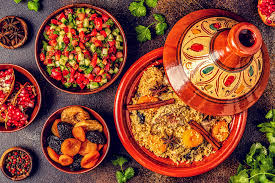
Making the switch from salt to herbs and spices doesn’t just benefit your blood pressure—it’s a holistic approach to better health. Reduced sodium intake is linked to lower risks of kidney disease, osteoporosis, and stomach cancer. Additionally, the anti-inflammatory and antioxidant properties of many herbs and spices can boost your immune system and support overall well-being.
Overcoming Common Challenges
While the benefits are clear, some people may face hurdles when reducing salt. Here are strategies to overcome them:
-
Adjusting Your Palate: It may take a few weeks to get used to less salty flavors. Be patient and consistent.
-
Dining Out: Choose restaurants that offer low-sodium options, and don’t hesitate to ask for meals to be prepared without added salt.
-
Reading Labels: Processed foods often hide high levels of sodium. Check nutrition labels carefully and opt for low-sodium versions when available.
-
Sticking to the Plan: Keep your spice rack stocked and plan meals ahead to avoid reverting to old habits.

Conclusion
Replacing salt with herbs and spices is a simple yet effective way to lower blood pressure and improve your overall health. With a little creativity and experimentation, you can enjoy delicious, satisfying meals while reducing your sodium intake. Embrace this flavorful swap, and take a significant step toward a healthier lifestyle






Comments 0
Sign in to join the conversation.
No comments yet. Be the first to say something.