

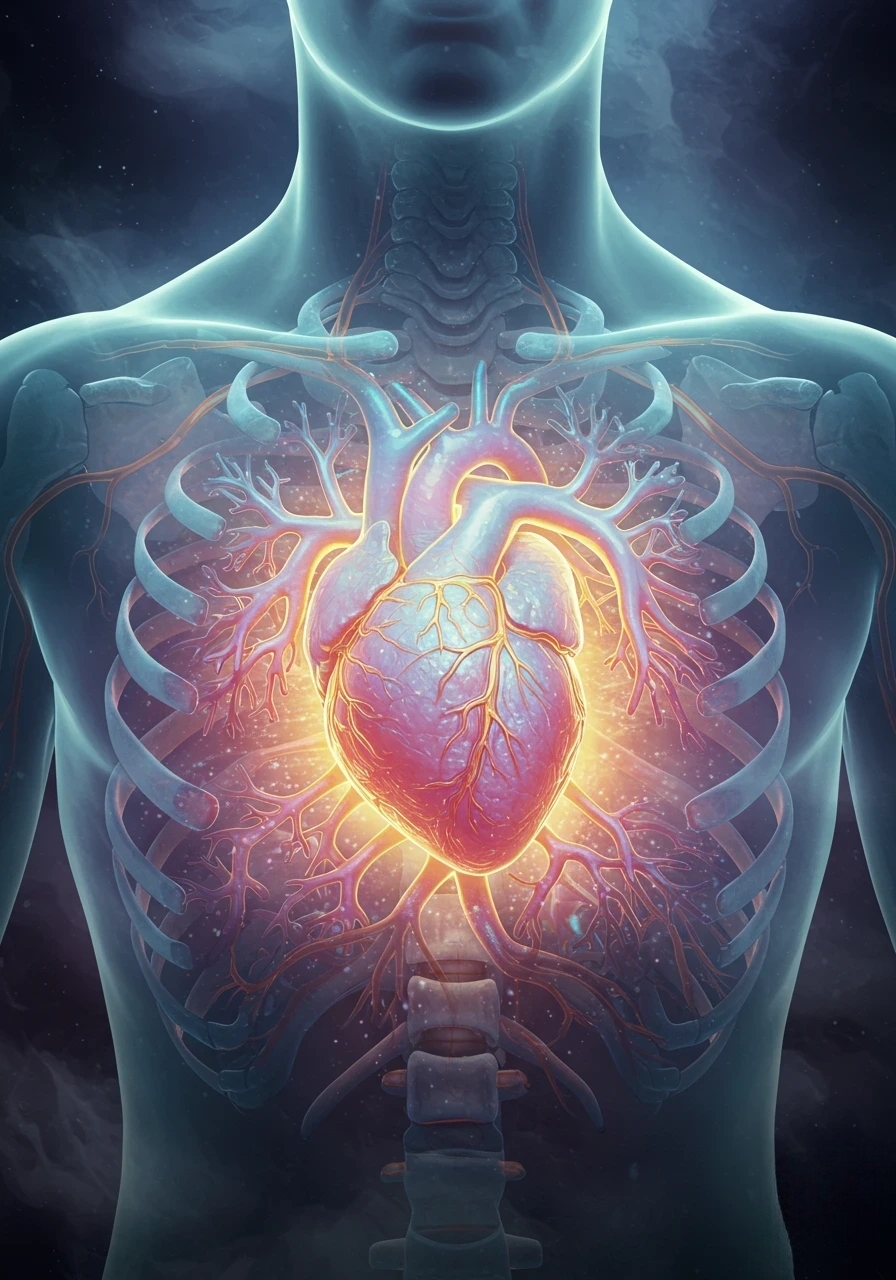
The Silent Toxins in Your Home That Can Trigger Heart Disease Before You Turn 40
Introduction
Heart disease is often thought of as a condition that affects older adults, but what if the danger starts much earlier? Emerging research shows that everyday toxins inside our homes may contribute to cardiovascular damage long before symptoms appear. These hidden threats quietly infiltrate our bodies over time, triggering inflammation, increasing blood pressure, and influencing plaque buildup — even in people under 40.
Understanding these silent toxins isn’t just about awareness — it’s about prevention, healthier choices, and protecting your heart years before risk becomes reality.
In this comprehensive guide, we’ll explore the household toxins linked to heart disease, how they impact your health, practical ways to reduce exposure, and evidence‑based lifestyle tweaks to upgrade your home environment.
What Are Household Toxins?
Household toxins are chemical or biological substances found in everyday environments that can harm human health.
Some common sources include:
Building and furniture materials
Personal care products
Cleaning supplies
Air pollution indoors
Pesticides and mold
These toxins can enter the body through:
Inhalation
Skin absorption
Ingestion
Even low‑level, chronic exposure can gradually impact organ systems — especially the cardiovascular system.
How Toxic Exposure Affects Heart Health
The Heart and Inflammation
Many toxic substances trigger inflammation — a key contributor to heart disease.
Inflammation damages artery walls
The immune response can accelerate plaque buildup
Over time, this narrows arteries and raises cardiovascular risk
Oxidative Stress and Heart Function
Oxidative stress occurs when harmful molecules overwhelm the body’s antioxidant defenses.
This leads to:
Damage to vessels and heart muscle cells
Impaired blood flow
Higher risk of coronary artery disease
Blood Pressure and Endocrine Disruption
Some toxins interfere with hormonal signaling, including how the body regulates:
Blood pressure
Stress response
Metabolic activity
These disruptions can cause chronic high blood pressure — a top risk factor for early heart disease.
The Most Common Hidden Toxins in Your Home
1. Indoor Air Pollution
What It Is
Indoor air often contains toxins at higher concentrations than outdoors, including:
Volatile Organic Compounds (VOCs)
Carbon monoxide
Particulate matter
Sources
Paint, varnishes, and sealants
Candles and air fresheners
Gas stoves
Tobacco smoke
Heart Health Impact
Increased risk of heart attack and stroke
Reduced oxygen delivery
Chronic inflammation
2. Household Cleaning Chemicals
Dangerous Ingredients
Many conventional cleaners contain:
Ammonia
Bleach (sodium hypochlorite)
Phthalates
Quaternary ammonium compounds
How They Harm
These chemicals can:
Irritate lungs and airways
Disrupt endocrine signaling
Increase blood pressure
Safer Alternatives
Vinegar and baking soda
Plant‑based cleaning products
Fragrance‑free options
3. Flame Retardants and Indoor Dust
What Are Flame Retardants?
Used in furniture foam and electronics to slow fire spread.
Why They’re Problematic
They accumulate in household dust and persist in the body.
Linked Effects:
Thyroid hormone disruption
Increased inflammation
Metabolic stress
4. Lead and Heavy Metals
Where They Hide
Old paint
Pipes and plumbing
Imported ceramics or cookware
Soil tracked indoors
Health Impacts
Lead and other heavy metals are toxic to:
Blood vessels
Heart muscle
Nervous system
Even low‑level exposure increases hypertension and heart disease risk.
5. Radon Gas
What It Is
A radioactive gas that seeps up from soil into buildings.
Why It Matters
Radon is best known for lung cancer risk, but research also links it to:
Oxidative stress
Tissue damage
Reduced cardiovascular resilience
6. Pesticides and Lawn Chemicals
Common Exposures
Bug sprays
Weed killers
Insect repellents
Heart Risks
Pesticides can:
Disrupt nerve and muscle function
Increase inflammation
Alter lipid metabolism
7. Formaldehyde and VOCs from Building Materials
Sources
Pressed wood and laminate
Carpets and adhesives
New furniture
Health Impact
Formaldehyde irritates:
Eyes, nose, and lungs
Blood vessels
Heart‑related stress responses
Surprising Everyday Products That May Contain Heart‑Harming Toxins
Personal Care and Cosmetics
Even products meant to clean or beautify can contain harmful ingredients like:
Phthalates
Parabens
Fragrances (synthetic)
Heavy metals in colorants
These substances can:
Disrupt hormones
Increase inflammation
Affect cardiovascular system
Non‑Stick Cookware (PTFE/Teflon)
At high heat, non‑stick coatings release:
VOCs
Toxic gases
These irritants may contribute to oxidative stress and inflammation.
Synthetic Fragrances and Air Fresheners
Many air fresheners release hidden VOCs that:
Irritate airways
Worsen inflammation
Stress the heart and lungs
How These Toxins Work Together to Affect Heart Health
Chronic Low‑Level Exposure
Unlike acute poisonings, the heart may be harmed slowly over years through:
Daily inhalation
Skin contact
Accumulation in the body
The result?
Persistent inflammation
Altered blood pressure regulation
Early vascular aging
Multiple Toxins = Compounded Risk
Exposure to many toxins at once can amplify effects:
Synergistic inflammation
Greater oxidative stress
Higher plaque buildup
This cumulative burden can accelerate heart disease decades earlier than expected.
Early Signs Your Body Is Reacting to Hidden Toxins
Below are common warning signs that your body may be under toxic stress:
Chronic fatigue
Frequent headaches
Elevated blood pressure
Hormonal imbalances
Brain fog
Muscle weakness
Allergic reactions
These symptoms alone aren’t definitive, but in combination with lifestyle and environmental exposure, they may signal trouble.
Steps to Reduce Toxin Exposure at Home
Improve Indoor Air Quality
Install high‑quality air purifiers (HEPA filters)
Open windows daily for ventilation
Use exhaust fans in kitchens and bathrooms
Keep indoor plants that help purify air
Choose Non‑Toxic Cleaning Products
Replace harsh cleaners with:
Vinegar, lemon, baking soda blends
Certified non‑toxic labels
Fragrance‑free formulas
Reduce VOCs
Avoid air fresheners and scented candles
Choose low‑VOC paints
Allow new furniture to off‑gas outdoors before bringing inside
Test for Radon and Lead
Use professional testing kits
Remediate if levels are high
Replace old plumbing where feasible
Choose Safe Cookware
Replace high‑heat non‑stick pans with:
Stainless steel
Cast iron
Ceramic‑coated pans
These options don’t release harmful gases.
Filter Your Water
Install:
Activated carbon filter
Reverse osmosis system
Certified heavy metal filters
This reduces exposure to lead, chlorine, and chemicals.
Reduce Pesticide Exposure
Use natural pest control
Avoid spraying indoors
Wash fruits and vegetables thoroughly
Lifestyle Habits That Protect Your Heart from Toxins
Prioritize Antioxidant‑Rich Foods
Eat foods high in antioxidants:
Berries
Leafy greens
Nuts and seeds
Herbs like turmeric and ginger
These help neutralize oxidative stress inside the body.
Stay Physically Active
Exercise:
Improves circulation
Reduces inflammation
Enhances toxin elimination via sweat
Aim for at least 150 minutes of moderate activity per week.
Prioritize Sleep
Restful sleep helps:
Detoxify the brain
Reduce inflammation
Maintain hormonal balance
Seven to nine hours per night is ideal.
Manage Stress
Chronic stress worsens:
Inflammation
Hypertension
Cardiac risk
Use stress‑reducing practices like:
Meditation
Breathing exercises
Yoga
Checkups and Tests That Reveal Hidden Damage
Early screening can catch issues before they become serious.
Important tests include:
Blood pressure monitoring
Cholesterol and lipid panel
Inflammatory markers (CRP)
ECG (electrocardiogram)
Advanced heart imaging when recommended
Annual health checkups can catch early changes and safeguard your heart before 40.
Common Myths About Heart Disease and Toxins
Myth: Heart Disease Only Happens to Older Adults
Fact:
Young adults can show early signs due to environmental exposure and lifestyle.
Myth: Natural Products Are Always Safe
Fact:
Even “natural” products can contain hidden irritants or allergens.
Always check labels and research ingredients.
Myth: You Can’t Control Indoor Pollution
Fact:
Ventilation, air purifiers, and product choices make a major difference.
Conclusion
Heart disease doesn’t always start with family history or age. Silent toxins in everyday household environments — from indoor air pollutants to cleaning chemicals — can quietly contribute to cardiovascular damage long before symptoms appear.
By understanding these hidden dangers and taking proactive steps to reduce exposure, you protect not only your heart but your overall well‑being.
Start today by:
Evaluating your home environment
Making safer product swaps
Improving air and water quality
Choosing nutrient‑rich foods
Prioritizing sleep and stress management
Your heart health is not set in stone — the changes you make now can reverberate into a healthier future.








Comments 0
Sign in to join the conversation.
No comments yet. Be the first to say something.