

Your Blood Pressure Isn’t the Problem: The Silent Daily Habits Secretly Destroying Your Heart (Doctors Rarely Talk About This)
Introduction – The Truth No One Tells You About Heart Health
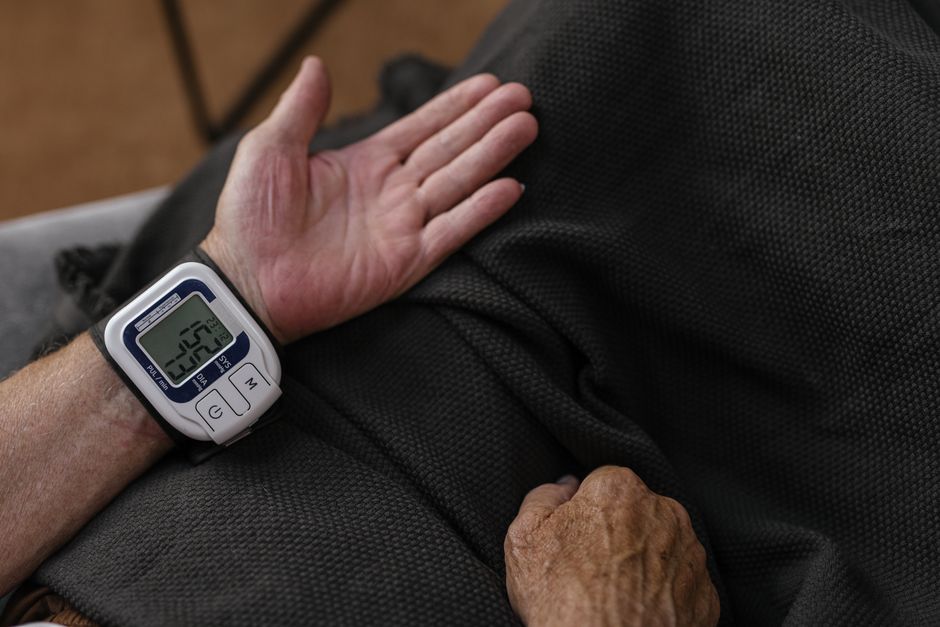
High blood pressure is often treated as the main problem. But in reality, it’s usually just a warning signal—not the root cause.
Millions of people focus on lowering their numbers while ignoring the daily habits silently damaging their heart.
The real danger?
These habits feel normal, harmless, and routine.
H2: Why Blood Pressure Is Just a Symptom—Not the Root Cause
H3: What Your Blood Pressure Is Actually Telling You
Blood pressure rises when your body is under stress—physically or mentally.
It reflects:
Arterial resistance
Blood thickness
Hormonal imbalance
Nervous system stress
H3: The Hidden Problem With “Managing Numbers”
Only controlling blood pressure:
Masks the real issue
Doesn’t stop internal damage
Creates a false sense of security
H2: The Real Enemy – Chronic Daily Stress on Your Body

H3: How Modern Life Keeps Your Heart Under Constant Pressure
Your body is stuck in survival mode due to:
Overthinking
Work stress
Financial pressure
Digital overload
H3: What Happens Inside Your Body Over Time
Chronic stress leads to:
Narrowed arteries
Increased heart strain
Elevated cortisol levels
Long-term heart damage
H2: Habit #1 – Sitting Too Much Is Slowly Killing Your Heart
H3: Why Inactivity Disrupts Blood Flow
Long sitting hours:
Slow circulation
Reduce oxygen supply
Increase fat buildup
H3: Warning Signs You Shouldn’t Ignore
Low energy
Back pain
Poor posture
Cold hands/feet
H3: Simple Movement Fixes That Work
Stand every 30 minutes
Walk after meals
Stretch daily
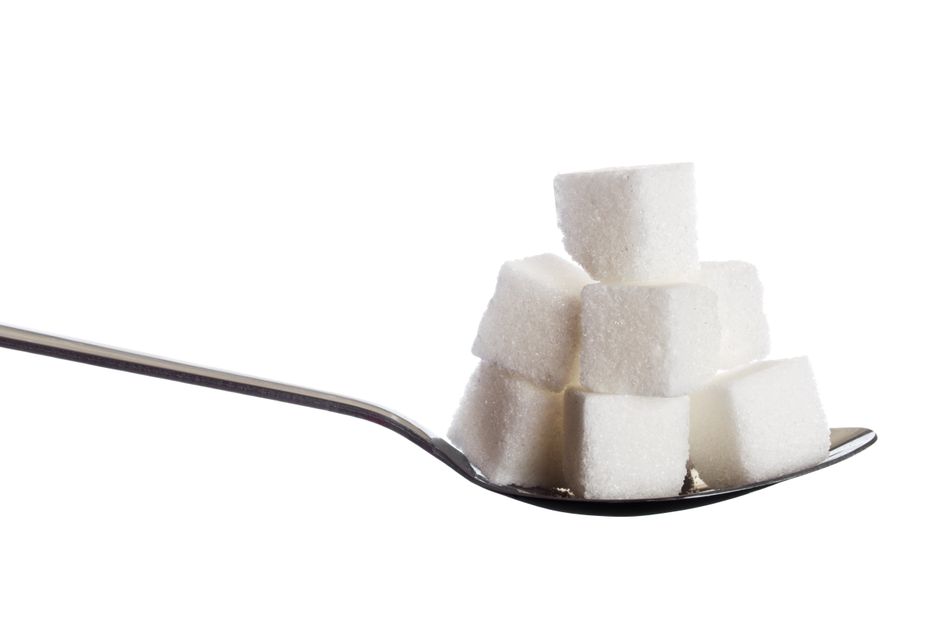
H2: Habit #2 – Hidden Sugar Is Damaging Your Arteries
H3: The Foods You Think Are Safe (But Aren’t)
Hidden sugar exists in:
Bread
Sauces
Packaged drinks
“Healthy” snacks
H3: How Sugar Silently Attacks Your Heart
Causes inflammation
Damages blood vessels
Increases fat storage
H3: Easy Ways to Cut Sugar Without Struggle
Switch to whole foods
Avoid processed items
Drink water instead of sugary drinks
H2: Habit #3 – Poor Sleep Is Destroying Your Recovery System
H3: Why Sleep Is Critical for Heart Repair
During sleep:
Blood pressure drops
Cells repair
Hormones balance
H3: What Happens When You Don’t Sleep Enough
High stress hormones
Increased BP
Fatigue and cravings
H3: How to Fix Your Sleep Routine
Fixed sleep schedule
No screens before bed
Dark, quiet room
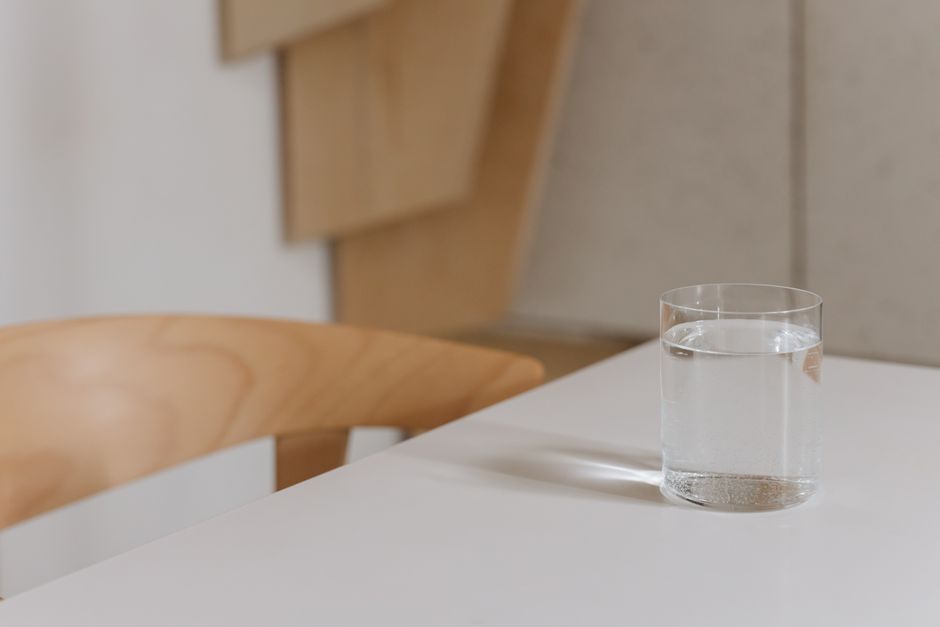
H2: Habit #4 – Chronic Dehydration Is Thickening Your Blood
H3: Why Your Heart Needs Proper Hydration
Without enough water:
Blood thickens
Heart works harder
Circulation slows
H3: Signs You’re Dehydrated (Most People Ignore)
Headaches
Fatigue
Dry skin
H3: Simple Hydration Habits
Drink water consistently
Start your day hydrated
H2: Habit #5 – Suppressing Emotions Is Hurting Your Heart
H3: The Physical Impact of Emotional Stress
Unexpressed emotions:
Increase heart rate
Raise blood pressure
Trigger inflammation
H3: Common Emotional Habits That Cause Damage
Holding anger
Ignoring stress
Avoiding expression
H3: Healthier Ways to Release Stress
Journaling
Talking openly
Breathing exercises
H2: Habit #6 – Too Much Sodium From Hidden Sources
H3: Where Excess Salt Really Comes From
Processed foods
Fast food
Packaged snacks
H3: How Sodium Raises Blood Pressure
Water retention
Increased blood volume
Pressure on arteries
H3: Smarter Ways to Reduce Salt
Cook fresh
Use herbs
Avoid packaged meals
H2: Habit #7 – Lack of Sunlight Is Weakening Your Heart
H3: The Vitamin D–Heart Connection
Low vitamin D leads to:
Weak immunity
High inflammation
Increased BP
H3: Safe and Effective Sun Exposure
10–20 minutes daily
Morning sunlight preferred
H2: Habit #8 – Overeating Is Overloading Your System

H3: Why Eating Too Much Stresses Your Heart
Blood sugar spikes
Digestive overload
Energy crashes
H3: Signs You’re Overeating
Bloating
Sleepiness
Heavy feeling
H3: Mindful Eating Strategies
Eat slowly
Stop before full
Control portions
H2: Habit #9 – Too Much Screen Time Is Increasing Stress
H3: The Hidden Effects of Digital Overload
Mental fatigue
Anxiety
Sleep disruption
H3: How Screens Affect Your Heart
Increase cortisol
Reduce physical activity
H3: Simple Ways to Reduce Screen Time
Take breaks
Avoid late-night screens
H2: Habit #10 – Ignoring Early Warning Signs
H3: Subtle Symptoms Most People Miss
Chest discomfort
Fatigue
Breathlessness
H3: Why Ignoring These Signs Is Dangerous
Early detection can prevent serious heart issues.
H2: The Root Cause Behind Everything – Chronic Inflammation
H3: How Inflammation Damages Your Heart
Narrows arteries
Damages vessels
Increases clot risk
H3: Daily Habits That Trigger Inflammation
Poor diet
Stress
Lack of sleep
H3: Anti-Inflammatory Lifestyle Changes
Whole foods
Regular movement
Good sleep
H2: Why Doctors Rarely Talk About These Habits
H3: The Limits of Modern Healthcare
Short consultation time
Focus on symptoms
Medication-based treatment
H3: Why Lifestyle Change Is Often Ignored
Because it requires:
Discipline
Time
Consistency
H2: How to Naturally Protect Your Heart Every Day
H3: The 5 Core Habits for Heart Health
Move more
Eat clean
Sleep well
Manage stress
Stay hydrated
H2: A Simple Daily Routine to Strengthen Your Heart
H3: Morning Routine
Water
Sunlight
Movement
H3: Afternoon Habits
Balanced meals
Short walks
H3: Evening Routine
Light dinner
Relaxation
H3: Night Routine
Early sleep
No screens
Final Thoughts – Fix the Cause, Not Just the Symptom
Blood pressure isn’t your enemy—it’s your body trying to warn you.
The real threat lies in the silent habits repeated daily.
Fix those habits, and you don’t just manage your heart—you protect it for life.
Frequently Asked Questions (FAQs)
Can I have heart problems with normal blood pressure?
Yes, lifestyle factors still matter.
How fast can I improve heart health?
Some changes show results in days, others take time.
Is medication enough?
No, lifestyle changes are essential.
What’s the biggest hidden risk?
Chronic stress and inflammation.
How much exercise is needed?
At least 30 minutes daily.
Are young people at risk?
Yes, these habits affect all ages.






Comments 0
Sign in to join the conversation.
No comments yet. Be the first to say something.