
Say Goodbye to Dandruff: Simple Ways to Get a Healthy Scalp
,
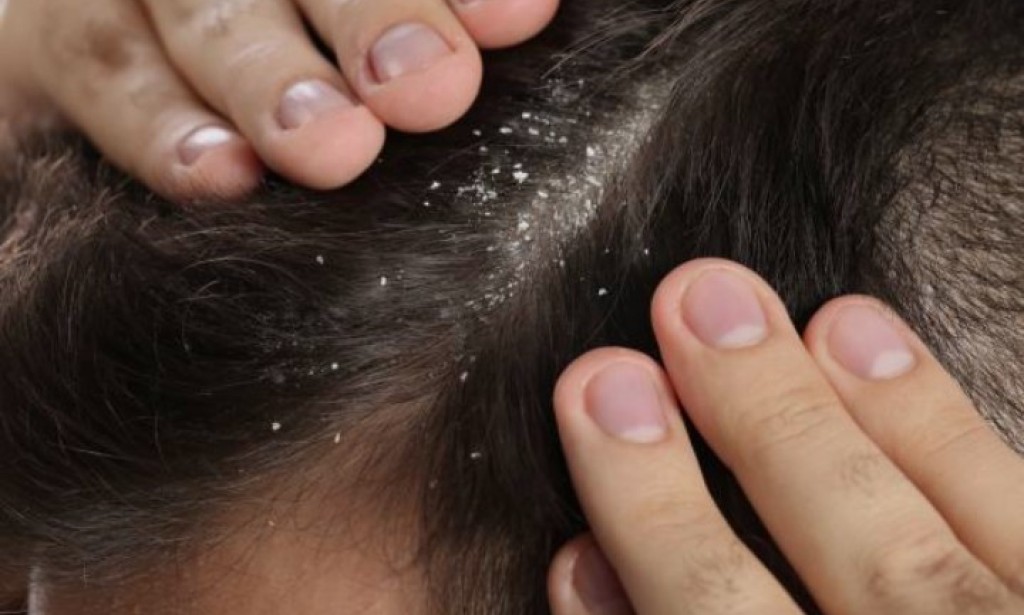
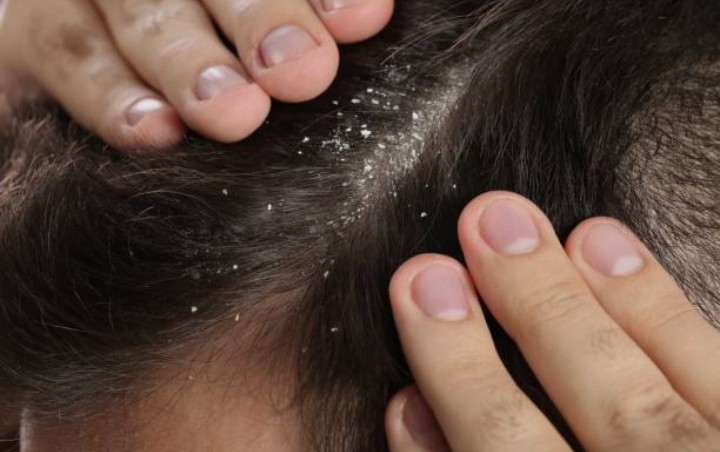
Dandrufrs. It is a common problem that affects people with different hair types and can sometimes lower confidence, especially when wearing dark clothing. The good news is that dandruff can often be controlled with the right hair-care routine and suitable treatment.
Dandruff may be associated with an oily scalp, skin irritation, or certain skin conditions. It is not necessarily a sign of poor hygiene. If you want a cleaner, healthier scalp, understanding how to manage dandruff is the first step. Many people try to hide dandruff, but the real solution is to treat the root cause with patience and consistency.
What Really Causes Dandruff and Why It Happens?
To get rid of dandruff, you first need to understand what causes it. Dandruff is not caused by one single reason. One of the most common causes is a yeast-like fungus called Malassezia globosa. This fungus lives naturally on everyone's scalp, but when it grows too much, it feeds on the oils from your scalp. This process creates oleic acid, which can irritate sensitive scalps and cause skin cells to shed too fast. That fast shedding is what we see as white flakes.
Another major cause is seborrheic dermatitis, which is a more severe form of dandruff. It causes an oily, red, and scaly scalp with larger yellowish flakes. It can also affect other oily areas like eyebrows and sides of the nose. People with very dry skin can also get small, less oily flakes, especially in winter. Dry scalp flakes are usually smaller than dandruff flakes from an oily scalp.
Other triggers include sensitivity to hair care products, known as contact dermatitis. Some dyes, hair sprays, and heavy oils can cause redness and itching. Not washing your hair enough can also cause oil and dead skin cells to build up, while washing too harshly or scratching aggressively can damage the scalp barrier. Stress, lack of sleep, and hormonal changes can make dandruff worse. Understanding your specific trigger is the key to choosing the right treatment, because what works for an oily scalp may not work for a dry one.
Simple Ways to Get a Healthy, Flake-Free Scalp
Getting a healthy scalp does not require expensive salon treatments. It requires a consistent and gentle routine. Here are five simple and effective ways to manage dandruff.
The most effective way to manage dandruff is to use a medicated shampoo. Look for active ingredients that are clinically proven. Ketoconazole 1-2% is an antifungal that controls the Malassezia yeast. Zinc pyrithione fights yeast and bacteria and slows down skin cell buildup. Selenium sulfide reduces yeast and oiliness. Salicylic acid helps remove dead skin cells and scales. Coal tar also slows skin cell turnover. Choose one active ingredient and use it as directed.
How you use it matters more than the brand. Wet your hair thoroughly, apply the shampoo mainly to the scalp, not just the hair ends, and massage gently with your fingertips, not your nails. Most medicated shampoos need to stay on the scalp for 3 to 5 minutes to work. Rinsing it off in 10 seconds will not help. If you have an oily scalp, you may need to wash every day or every other day. If you have curly, coily, or dry hair, wash 2 to 3 times a week to avoid dryness, but always apply the medicated shampoo to the scalp. Alternate with a gentle, sulfate-free conditioner on the lengths to keep hair soft.
Your daily habits can make dandruff better or worse. Wash your hair with lukewarm water, not very hot water, because hot water can strip natural oils and cause more oil production. Do not scratch your scalp aggressively, even if it is very itchy. Scratching creates tiny wounds, increases inflammation, and can lead to infection. Instead, press and massage gently.
Keep your combs, brushes, and towels clean. Wash them weekly with warm soapy water. Avoid sharing them with others. If you use heavy hair oils, gels, or waxes, do not apply them directly to the scalp if they make you greasier. Look for non-comedogenic and lightweight products labeled suitable for sensitive scalp.
A healthy scalp needs a balanced moisture level. If your scalp is dry, use a light, fragrance-free scalp tonic or aloe vera based lotion. If your scalp is very oily, avoid heavy coconut oil layering every day, as it can feed the dandruff-causing yeast. Instead, keep the scalp clean and breathable. Protect your scalp from excessive sun, dust, and pollution by covering your hair when you are outside for long hours. Manage stress through sleep, exercise, and relaxation, because stress hormones increase oil production and inflammation.
Your diet affects your scalp health. A diet rich in sugar and very oily, processed foods can worsen inflammation. Try to include more zinc-rich foods like nuts, seeds, and lentils, foods rich in B vitamins like eggs and whole grains, and probiotics like yogurt which help balance your body’s yeast. Omega-3 fatty acids from fish or flaxseeds help reduce inflammation. Drinking enough water, at least 8 glasses a day, keeps your skin hydrated from within. A healthy diet will not cure dandruff overnight, but it supports your treatment and reduces recurrence.
One of the biggest mistakes people make is changing products every two days. Anti-dandruff treatments need time. Use the same active ingredient for at least 2 to 4 weeks before deciding it does not work. If one ingredient does not help, try another. For example, if zinc pyrithione shampoo does not improve your flakes after 3 weeks, switch to ketoconazole-based shampoo. Once dandruff is controlled, do not stop immediately. Use the medicated shampoo once a week for maintenance to prevent it from coming back, and use a gentle regular shampoo on other days.
When Home Care Is Not Enough and You Need Professional Help
While mild dandruff can often be managed at home, some signs mean you should see a dermatologist. Do not rely on home remedies like pure lemon juice, baking soda, or undiluted essential oils directly on the scalp. These are acidic or abrasive and can cause chemical burns, redness, and more flaking, especially on sensitive skin. Natural does not always mean safe.
You should seek professional advice if you have severe redness, painful or bleeding scalp, thick yellow crusts, patches of hair loss, or if dandruff does not improve after 4 weeks of proper use of medicated shampoo. These symptoms may indicate conditions like psoriasis, eczema, or severe seborrheic dermatitis that need prescription-strength treatment.
A dermatologist can examine your scalp, identify the exact cause, and may prescribe stronger antifungal shampoos, topical steroids for short-term inflammation control, or other targeted treatments. Getting an early diagnosis saves you time, money, and prevents damage to your hair follicles. Remember, a clean, healthy scalp is the foundation of healthy hair. With the right shampoo, a gentle washing routine, and consistent care, you can control dandruff and regain your confidence. Be patient with your scalp and avoid harsh scratching or unproven remedies.

References
American Academy of Dermatology Association. (n.d.). How to treat dandruff. https://www.aad.org/public/everyday-care/hair-scalp-care/scalp/treat-dandruff
American Academy of Dermatology Association. (n.d.). Is your dry scalp something more serious? https://www.aad.org/public/everyday-care/hair-scalp-care/scalp/dry-scalp-conditions

You must be logged in to post a comment.