


Understanding and Overseeing RSV Contamination: An Extensive Aide + Benefits of Sports on Persons' Well-Being and Healthy Living
Respiratory Syncytial Virus (RSV) is a viral infection that can cause serious respiratory issues, particularly in infants, young children, and older adults. While it typically manifests as a mild cold, it can lead to more severe conditions such as pneumonia or bronchiolitis in vulnerable populations. The virus spreads through direct contact with infected respiratory secretions and droplets, making it highly contagious. Understanding the symptoms, treatment, and preventive measures is crucial in managing RSV, especially during peak seasons.
At the same time, maintaining a healthy lifestyle through physical activity is essential for overall health. Sports, in particular, offer a wide range of physical, mental, and emotional benefits that enhance well-being. Regular participation in sports can help prevent chronic diseases, improve mental clarity, and promote a balanced and healthy lifestyle. This article will delve into both the implications of RSV contamination and the importance of sports for maintaining health.
Understanding RSV: Symptoms, Transmission, and Treatment
Respiratory Syncytial Virus (RSV) is one of the most common viral infections affecting the lungs and respiratory tract. It primarily targets the upper and lower airways, causing inflammation that leads to symptoms similar to those of a cold or flu. For most healthy individuals, RSV results in mild symptoms, but in young children, older adults, and people with weakened immune systems, it can cause severe respiratory distress.
Symptoms of RSV
The symptoms of RSV can vary depending on the severity of the infection and the individual’s health status. In general, RSV symptoms may include:
- Runny nose
- Coughing and sneezing
- Fever
- Sore throat
- Shortness of breath or wheezing
- Decreased appetite and fatigue
In more severe cases, particularly among infants and older adults, RSV can lead to bronchiolitis or pneumonia, which may require hospitalization. In infants, symptoms can escalate quickly, with difficulty breathing and rapid breathing rates, making immediate medical attention necessary.
How RSV Spreads
RSV is highly contagious and spreads easily through direct contact with respiratory secretions. This can occur when:
- An infected person coughs, sneezes, or talks, releasing viral droplets into the air.
- Touching contaminated surfaces and then touching the face, eyes, or mouth.
- Close contact with an infected person, especially in crowded settings like daycare centers or nursing homes.
Since RSV spreads primarily through respiratory droplets, practicing good hygiene can significantly reduce the risk of transmission. Regular handwashing, covering coughs and sneezes, and avoiding close contact with infected individuals are key strategies for prevention.
Treatment and Management
For most individuals, RSV infections are self-limiting and can be managed at home with supportive care. Common recommendations include:
- Hydration: Drinking plenty of fluids to prevent dehydration.
- Rest: Ensuring the body has ample rest to recover.
- Over-the-counter medications: Pain relievers like acetaminophen or ibuprofen may help manage symptoms like fever and discomfort.
- Humidifiers: Using a humidifier to keep the air moist can help ease coughing and breathing difficulties.
In more severe cases, especially for infants or the elderly, hospitalization may be required. This typically involves oxygen therapy and other supportive treatments to ensure the patient’s respiratory system functions adequately.
Preventing RSV Infection
There is no vaccine for RSV, but certain precautions can minimize the risk of infection:
- Hand hygiene: Frequent handwashing with soap and water, especially before eating or touching the face, can help reduce the spread of the virus.
- Avoiding sick contacts: If possible, stay away from individuals showing signs of illness, particularly during peak RSV season (fall and winter).
- Sanitizing surfaces: Regularly disinfecting high-touch surfaces, such as doorknobs, toys, and electronics, can prevent the spread of RSV.
- Masking and distancing: In situations where RSV is prevalent, wearing masks and maintaining physical distance in public spaces can help reduce transmission.
The Benefits of Sports on Personal Health and Well-Being
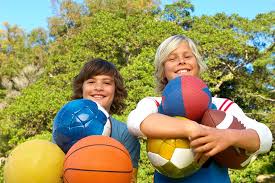
Physical activity is a cornerstone of healthy living, and sports offer an enjoyable way to stay fit while providing numerous physical and mental benefits. Engaging in regular sports activities improves overall health, reduces the risk of chronic diseases, and enhances emotional well-being. Below are some key benefits of participating in sports:
1. Physical Health Benefits
-
Cardiovascular Health: Sports, especially those that require aerobic effort such as running, swimming, and cycling, improve cardiovascular health. Regular participation strengthens the heart and improves circulation, which lowers the risk of heart disease, high blood pressure, and stroke.
-
Muscle Strength and Endurance: Weight-bearing and resistance-based sports like weightlifting, tennis, and soccer help build and tone muscles. This, in turn, boosts strength and endurance, leading to better functional mobility and reduced injury risk over time.
-
Weight Management: Engaging in physical activities helps maintain a healthy weight by burning calories and increasing metabolism. Regular exercise through sports helps regulate body fat and reduces the risk of obesity-related conditions such as diabetes, joint problems, and certain cancers.
2. Mental Health and Emotional Well-Being
-
Stress Reduction: Physical activity is a natural stress reliever. Exercise helps reduce levels of the stress hormone cortisol and stimulates the production of endorphins, chemicals in the brain that promote feelings of happiness and relaxation. Sports also provide an outlet for emotional expression, helping individuals manage anxiety and depression.
-
Improved Sleep: Regular physical activity, particularly in the form of sports, can improve sleep quality by regulating sleep patterns. This leads to more restful and restorative sleep, which is essential for mental and physical health.
-
Enhanced Mood: Sports are linked to improved self-esteem and confidence. Engaging in regular physical activity boosts mood and promotes a sense of accomplishment. Additionally, the social aspect of team sports can foster a sense of community and belonging, which further enhances emotional well-being.
3. Social and Cognitive Benefits
-
Building Social Connections: Participating in team sports fosters social interaction, cooperation, and communication skills. This sense of camaraderie can strengthen relationships, reduce feelings of loneliness, and improve overall quality of life.
-
Cognitive Function: Sports can improve cognitive function by increasing blood flow to the brain, improving memory, and sharpening concentration. Some studies suggest that regular exercise, especially through sports, may even help protect against cognitive decline in older adults.
4. Better Life Balance and Healthy Habits
-
Discipline and Time Management: Regular involvement in sports teaches discipline, time management, and commitment. These skills are transferable to other areas of life, including work and personal relationships.
-
Long-Term Health: Staying active through sports helps prevent a range of chronic health conditions, including diabetes, osteoporosis, and certain types of cancer. By establishing healthy habits early in life, individuals can enjoy improved longevity and a higher quality of life.
-

Conclusion
Respiratory Syncytial Virus (RSV) is a serious concern, particularly for vulnerable populations. Understanding its symptoms, transmission methods, and treatment options is essential for effective management. By practicing good hygiene and taking preventive measures, individuals can reduce the spread of RSV.
In parallel, engaging in regular sports activities plays a vital role in promoting both physical and mental health. Sports enhance cardiovascular health, improve muscle strength, alleviate stress, and foster social connections, making them an essential component of a healthy lifestyle. Whether for preventing chronic diseases or improving emotional well-being, incorporating sports into daily routines is a powerful tool for maintaining overall health and happiness.






Comments 0
Sign in to join the conversation.
No comments yet. Be the first to say something.