


Popular Gen Z Hairstyle Causing Hair Loss, Says Doctor: What You Need to Know
In recent years, a specific hairstyle has been trending among Gen Z and Millennials, captivating the younger generation with its chic, sleek, and bold look. However, experts, including dermatologists and hair specialists, have raised concerns that this popular style is contributing to an alarming rise in hair loss. While these styles are undeniably fashionable, the way they are worn can severely impact the health of your hair, causing thinning and even permanent damage. As a doctor specializing in hair care and dermatology, I can shed light on the link between certain trendy hairstyles and hair loss, particularly a condition known as traction alopecia.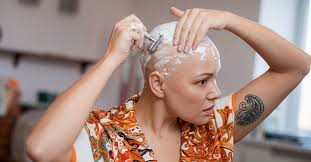
Understanding Traction Alopecia
Traction alopecia is a form of hair loss caused by constant pulling or tension on the hair follicles. It typically occurs when a hairstyle exerts consistent force on the scalp, disrupting the normal hair growth cycle. This condition is particularly common in individuals who regularly wear tight hairstyles, like ponytails, braids, buns, or any style that tugs on the hair.
The tension caused by these hairstyles can weaken hair follicles over time, leading to hair shedding and thinning. In severe cases, prolonged tension can result in permanent hair loss if the follicles are damaged beyond repair. What’s troubling is that many people, especially younger individuals, may not realize that the hairstyle they love is causing irreversible damage.
Why Are These Hairstyles So Popular?
The hairstyles contributing to traction alopecia are often stylish, easy to maintain, and convenient for busy lifestyles. The slicked-back ponytail, high bun, and tight braids, such as the "box braids" or "cornrows," are especially popular in modern beauty trends. These hairstyles give the appearance of volume and sleekness, providing a polished look that fits well in both casual and formal settings.
However, the very features that make these styles so desirable – tightness and sleekness – are the same factors that make them harmful. While these hairstyles might seem effortless and quick to achieve, they come with long-term consequences for the scalp and hair follicles. The consistent tension, combined with the use of elastics, clips, and heat-styling tools, puts a significant strain on the hair, leading to potential damage.
The Impact of Heat Styling and Chemicals
In addition to tight hairstyles, heat styling and chemical treatments have also contributed to the thinning of hair, particularly among younger individuals who frequently engage in these practices. Flat irons, curling wands, and blow dryers are commonly used to achieve the perfect look, but excessive heat can lead to hair breakage and weakening of the strands. Combined with tight hairstyles, this increases the risk of permanent damage to the hair.
Furthermore, chemical treatments like hair relaxers, perms, and dyes can weaken hair fibers and make them more prone to breakage. These treatments often strip hair of its natural moisture, leaving it dry and brittle. When paired with tight styles, the results can be devastating for hair health.
Early Signs of Traction Alopecia
Recognizing the early signs of traction alopecia is essential for preventing further damage to the hair. Some common symptoms include:
-
Receding Hairline: A noticeable thinning around the temples or forehead is often the first sign that the hair follicles are under stress. This is particularly common in individuals who regularly wear tight ponytails or buns.
-
Bald Spots or Thinning Areas: If the tension on the hair is constant, areas of the scalp may develop bald patches or spots of thinning hair. This is especially true for individuals who frequently wear styles like braids or cornrows that pull tightly at the scalp.
-
Itchy or Sore Scalp: Constant tension on the scalp can lead to discomfort, itchiness, or even tenderness. If you notice these sensations, it may be a sign that the hair follicles are being overstressed.
-
Hair Breakage: When hair becomes weak from constant tension or heat styling, individual strands can break or snap off, leading to overall thinning.
If you notice any of these signs, it is important to take immediate action to prevent further damage. The good news is that traction alopecia is often reversible if caught early. However, if left untreated, it can result in permanent hair loss.
Preventing Hair Loss: Tips from Doctors
As a doctor specializing in hair care, I recommend the following steps to help prevent hair loss caused by tight hairstyles and other hair-styling practices:
-
Avoid Tight Hairstyles: One of the most effective ways to prevent traction alopecia is to avoid wearing tight hairstyles. While it may be tempting to pull your hair back into a tight ponytail or bun, try to loosen the style or opt for looser alternatives like loose braids or messy buns. If you must wear a tight style, ensure that the tension is minimal and that you change up your hairstyle frequently.
-
Give Your Hair a Break: Take breaks between wearing tight hairstyles. Allow your hair and scalp to rest and recover. If you wear braids or extensions, give your hair time to breathe and regenerate before styling it again.
-
Use Gentle Hair Accessories: Avoid using hair elastics, bands, or clips that are too tight. Opt for soft, fabric-covered hair ties that reduce friction and don’t pull on the hair too much. Avoid using metal clips, which can cause hair breakage, and choose gentle alternatives made of smooth materials.
-
Limit Heat Styling: Excessive use of heat styling tools can further damage already stressed hair. Try to limit your use of flat irons, curling irons, and blow dryers. If you must use heat, always apply a heat protectant to your hair and use the lowest possible setting to minimize damage.
-
Moisturize and Nourish Your Hair: Keeping your hair well-moisturized is crucial for preventing breakage and promoting healthy growth. Use deep conditioning treatments, hair masks, and oils to keep your hair hydrated and strong. Regularly massage your scalp to improve circulation and support hair growth.
-
Be Mindful of Chemical Treatments: If you regularly use chemical treatments, such as hair dyes or relaxers, consider reducing their frequency. Harsh chemicals can weaken hair and make it more vulnerable to damage. Opt for gentler, less damaging treatments or natural alternatives when possible.
-
Consult a Professional: If you suspect that you’re experiencing traction alopecia or any other type of hair loss, it’s important to consult with a dermatologist or trichologist. A professional can evaluate the extent of the damage, recommend appropriate treatments, and help you develop a hair care routine that supports healthy hair growth.
Conclusion
While popular hairstyles are an expression of personal style and creativity, they can come with unintended consequences for your hair health. Tight ponytails, braids, and buns, along with excessive heat styling, are the leading culprits behind hair loss in Gen Z and Millennials. By understanding the risks and taking preventive measures, you can protect your hair from damage while still enjoying the latest trends.
As a doctor, my primary advice is to prioritize the health of your hair and scalp. Taking simple steps like loosening your hairstyles, reducing heat exposure, and nourishing your hair can help prevent long-term hair loss. If you experience any signs of hair thinning or breakage, seek professional guidance to ensure that your hair remains strong and healthy for years to come.
Ultimately, healthy hair is not just about looking good in the latest trends; it’s about maintaining your natural beauty and confidence for the long haul.





Comments 0
Sign in to join the conversation.
No comments yet. Be the first to say something.