


Peanuts, often mistaken for nuts due to their name, are actually legumes. Native to South America, peanuts have spread worldwide and are now a staple in many diets. They are used in a wide range of dishes, from snacks and spreads to sauces and desserts. Not only are they delicious, but they also come with a variety of health benefits. This article will explore the many ways peanuts can contribute to your overall health, the different ways they can be consumed, and potential precautions to be aware of.
What Are Peanuts?
Peanuts (Arachis hypogaea) belong to the legume family, which also includes beans, lentils, and peas. They are unique because, unlike other legumes, they grow underground. The peanut plant produces yellow flowers, and the peanut pods develop beneath the soil. After being harvested, peanuts are processed in many forms, including raw, roasted, boiled, and as peanut butter or peanut oil.
Despite being a legume, peanuts are commonly referred to as nuts because of their similar taste, texture, and culinary uses. They are an essential part of many diets and are especially popular in Asia, Africa, and North America. Peanuts are also an integral ingredient in many traditional dishes and snacks.
Nutritional Value of Peanuts
Peanuts are not only delicious but also packed with essential nutrients. A 100-gram serving of peanuts contains approximately:
Calories: 567
Protein: 25.8 grams
Fat: 49.2 grams (mostly healthy unsaturated fats)
Carbohydrates: 16.1 grams
Fiber: 8.5 grams
Vitamins and minerals:
Vitamin E: 8.3 mg
Niacin (Vitamin B3): 12.1 mg
Folate: 240 mcg
Magnesium: 168 mg
Phosphorus: 376 mg
Potassium: 705 mg
Peanuts are an excellent source of protein, making them an important food for vegetarians and vegans. They also provide healthy fats that support heart health and aid in the absorption of fat-soluble vitamins.
ealth BeHnefits of Peanuts
1. Heart Health
One of the key benefits of peanuts is their ability to support cardiovascular health. Peanuts are rich in monounsaturated and polyunsaturated fats, which are considered heart-healthy fats. Studies have shown that consuming peanuts and peanut butter can help lower LDL cholesterol (the "bad" cholesterol) and increase HDL cholesterol (the "good" cholesterol). These fats can also help reduce the risk of heart disease by improving blood vessel function and reducing inflammation.
Additionally, peanuts contain resveratrol, an antioxidant that has been shown to have protective effects on the heart by reducing the risk of heart disease. Peanuts also have a high amount of magnesium, which plays a role in regulating blood pressure and supporting a healthy heart.
2. Weight Management
Peanuts may help with weight management despite their high-calorie content. The fiber and protein content in peanuts helps promote feelings of fullness and satiety, reducing overall calorie intake. Research suggests that moderate peanut consumption as part of a balanced diet can help maintain or even promote weight loss.
Peanuts also contain healthy fats that are more satisfying than carbohydrate-rich foods. As a result, adding peanuts to your diet can curb hunger and reduce cravings for unhealthy snacks. However, because peanuts are calorie-dense, it's important to consume them in moderation.
3. Rich in Antioxidants
Peanuts contain various antioxidants that help fight oxidative stress and inflammation in the body. These include resveratrol, p-coumaric acid, and flavonoids, which help protect the body against free radicals and reduce the risk of chronic diseases like cancer, diabetes, and neurodegenerative conditions. Antioxidants play a crucial role in maintaining overall health and longevity.
The antioxidant properties of peanuts also help to protect the brain, preventing cognitive decline and boosting brain function. Studies have shown that peanuts contain compounds that may reduce the risk of Alzheimer's disease and improve memory.
4. Blood Sugar Control
Despite being high in carbohydrates, peanuts have a low glycemic index, meaning they do not cause a rapid increase in blood sugar levels. This makes peanuts a suitable snack for individuals with diabetes or those at risk of developing diabetes. The combination of healthy fats, protein, and fiber in peanuts helps slow down the absorption of sugar into the bloodstream, promoting stable blood sugar levels.
Peanuts can also help improve insulin sensitivity, reducing the risk of type 2 diabetes. Some studies have shown that regular consumption of peanuts can help lower blood sugar levels and improve overall glycemic control.
5. Improved Digestive Health
Peanuts are a good source of dietary fiber, which is essential for digestive health. Fiber helps regulate bowel movements, prevent constipation, and support the growth of beneficial gut bacteria. A high-fiber diet is also linked to a reduced risk of colon cancer and other gastrointestinal disorders.
The healthy fats in peanuts also support the intestinal lining, promoting better nutrient absorption and reducing inflammation in the digestive tract. For those who experience issues like bloating or indigestion, peanuts may help alleviate these symptoms and improve overall gut health.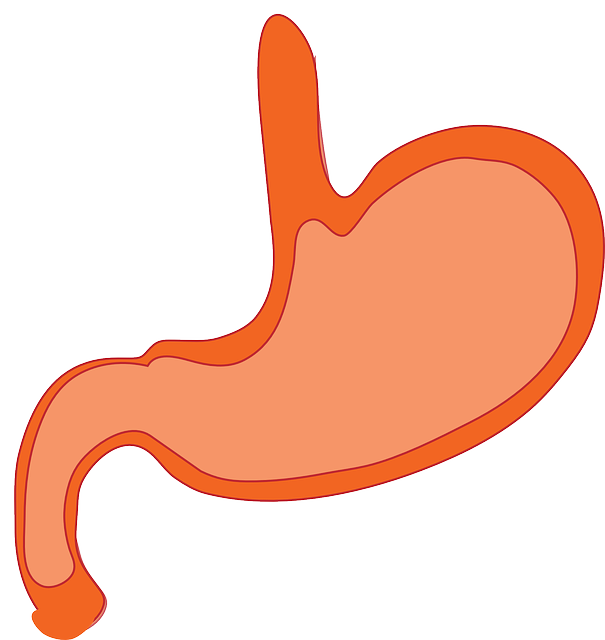
Uses of Peanuts
Peanuts are versatile and can be enjoyed in various forms and dishes. Some common ways to consume peanuts include:
Snacks: Roasted or salted peanuts are a popular snack around the world. They can be eaten on their own or mixed with other nuts and seeds to create a satisfying trail mix.
Peanut Butter: One of the most popular peanut-based products, peanut butter is made by grinding roasted peanuts into a creamy or chunky spread. It is a common ingredient in sandwiches, smoothies, and baked goods.
Peanut Oil: Peanut oil is a commonly used cooking oil, particularly in Asian cuisine. It has a high smoke point, making it ideal for frying and sautéing. It also has a mild flavor that does not overpower dishes.
Peanut Flour: Ground peanuts can be used to make peanut flour, which is an excellent gluten-free alternative for baking and thickening sauces.
Peanut Sauces: In many Asian cuisines, peanuts are used to make savory peanut sauces, which pair well with noodles, meats, and vegetables.
Precautions When Eating Peanuts
While peanuts are generally safe for most people, there are some precautions to keep in mind:
Allergies: Peanut allergies are one of the most common food allergies and can cause severe reactions in sensitive individuals. Symptoms may include hives, difficulty breathing, swelling, and anaphylaxis. If you or someone you know has a peanut allergy, it's crucial to avoid peanuts and products that contain peanuts.
Calorie-Dense: Peanuts are high in calories, so eating them in excess can lead to weight gain. Moderation is key, especially if you are watching your calorie intake.
Aflatoxins: Peanuts can sometimes be contaminated with aflatoxins, which are toxins produced by certain molds that grow on peanuts. These toxins are harmful to human health and can cause liver damage if consumed in large amounts over time. However, proper storage and processing of peanuts help minimize this risk.
Conclusion
Peanuts are a nutrient-dense food that offers a wide range of health benefits. They are an excellent source of protein, healthy fats, vitamins, and minerals. Regular consumption of peanuts can promote heart health, aid in weight management, improve digestive health, and provide antioxidant protection. However, due to their high-calorie content and potential for causing allergic reactions, it's essential to consume peanuts in moderation and be mindful of any allergies. Whether enjoyed as a snack, spread, or ingredient in a dish, peanuts are a delicious and nutritious addition to any diet.






Comments 0
Sign in to join the conversation.
No comments yet. Be the first to say something.