

Optimizing Lifestyle: Strategies for a Balanced and Fulfilling Life
A balanced and fulfilling lifestyle is the key to long-term happiness, productivity, and overall well-being. In today’s fast-paced world, achieving this balance requires conscious efforts to manage physical health, mental well-being, personal relationships, and professional goals. By adopting intentional habits and strategies, individuals can create a life that not only meets their immediate needs but also promotes long-term satisfaction and growth. Here is a comprehensive guide to optimizing your lifestyle for a balanced and fulfilling life.

1. Prioritizing Physical Well-Being
Physical health is the foundation of a fulfilling life. Without good health, achieving other goals becomes challenging. To maintain physical well-being:
Regular Exercise: Engage in physical activities like walking, jogging, yoga, or strength training. Aim for at least 150 minutes of moderate exercise per week to boost cardiovascular health, increase energy levels, and improve mood.
Balanced Nutrition: Eat a diet rich in fruits, vegetables, whole grains, and lean proteins. Minimize processed foods and excess sugar while staying hydrated to support physical and cognitive functions.
Quality Sleep: Prioritize 7-9 hours of quality sleep each night. Establish a consistent bedtime routine and create a restful sleep environment to enhance physical recovery and mental clarity.
Preventive Healthcare: Regular medical check-ups, vaccinations, and screenings can prevent illnesses and ensure early detection of potential health issues.

2. Cultivating Mental and Emotional Well-Being
Mental health is equally important as physical health in living a balanced life. Managing stress, fostering resilience, and maintaining emotional stability contribute to overall well-being.
Mindfulness and Meditation: Practice mindfulness techniques, such as meditation or deep-breathing exercises, to reduce stress and improve focus. These practices foster emotional regulation and a sense of calm.
Emotional Intelligence: Develop self-awareness, empathy, and effective communication skills. Emotional intelligence helps in managing relationships and responding to challenges with resilience.
Work-Life Balance: Set clear boundaries between work and personal life to prevent burnout. Make time for leisure activities and hobbies that bring joy and relaxation.
Seek Support: Engage in open conversations with friends, family, or mental health professionals when needed. Seeking help is a sign of strength and promotes emotional well-being.

3. Building Strong and Meaningful Relationships
Relationships play a crucial role in personal fulfillment and emotional support. Investing in positive social connections enhances life satisfaction.
Quality Over Quantity: Focus on building deep, meaningful relationships rather than accumulating numerous acquaintances.
Effective Communication: Practice active listening, empathy, and clear communication to nurture relationships and resolve conflicts effectively.
Family and Community: Spend quality time with loved ones and engage in community activities. Strong social ties provide emotional support and a sense of belonging.
Networking: Foster professional relationships through networking. Collaborative and supportive professional environments enhance career growth and personal satisfaction.
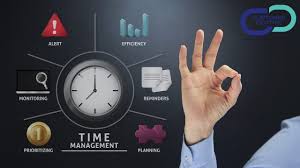
4. Time Management and Productivity
Efficient time management allows individuals to balance responsibilities while making space for personal growth and leisure.
Prioritize Tasks: Use techniques like the Eisenhower Matrix to distinguish between urgent and important tasks. Focus on high-impact activities for better outcomes.
Goal Setting: Set SMART (Specific, Measurable, Achievable, Relevant, Time-bound) goals to maintain focus and track progress.
Routine and Planning: Establish daily routines and plan weekly schedules to manage time effectively. Incorporate regular breaks to maintain productivity and prevent fatigue.
Digital Detox: Limit screen time and digital distractions to improve focus and create more meaningful in-person experiences.
5. Personal Growth and Lifelong Learning
Continuous learning and self-improvement contribute to a dynamic and fulfilling lifestyle.
Skill Development: Pursue new skills through courses, workshops, and reading. Lifelong learning enhances career prospects and personal enrichment.
Self-Reflection: Regularly evaluate personal and professional progress. Reflecting on experiences fosters self-awareness and guides future decisions.
Adaptability: Embrace change with an open mind. Being flexible and adaptable helps navigate life’s uncertainties and seize new opportunities.
Purpose and Values: Align daily actions with core values and a sense of purpose. Living with intention fosters a deeper sense of fulfillment and meaning.

6. Financial Well-Being
Financial stability is a critical component of a balanced lifestyle. It provides security and the freedom to pursue personal and professional goals.
Budgeting: Create and follow a budget to track income, expenses, and savings. A well-structured financial plan reduces stress and promotes responsible spending.
Saving and Investing: Build an emergency fund and invest in long-term financial goals. Sound financial planning ensures future security and allows for lifestyle flexibility.
Minimalism: Embrace a minimalist approach by prioritizing quality over quantity. Simplifying material possessions reduces stress and enhances clarity.
Work-Life-Finance Balance: Seek work that aligns with both financial goals and personal values to achieve a sustainable and fulfilling
lifestyle.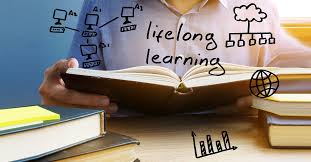
7. Contribution and Social Responsibility
Contributing to society enhances personal satisfaction and helps create a positive community impact.
Volunteer Work: Engage in volunteer activities that align with personal passions. Giving back fosters empathy, gratitude, and a sense of purpose.
Sustainable Living: Adopt sustainable practices, such as reducing waste and conserving resources, to contribute to environmental well-being.
Mentorship: Share knowledge and experiences with others through mentorship. Guiding others fosters personal growth and strengthens community bonds.

Conclusion.
Optimizing your lifestyle involves a holistic approach that balances physical health, mental well-being, meaningful relationships, productivity, financial stability, and social responsibility. By adopting intentional strategies and consistently nurturing these areas, individuals can cultivate a life of purpose, balance, and long-term fulfillment. Embracing continuous improvement and aligning daily actions with personal values is the key to living a rich and meaningful life.

You must be logged in to post a comment.