

Table of Contents
Introduction
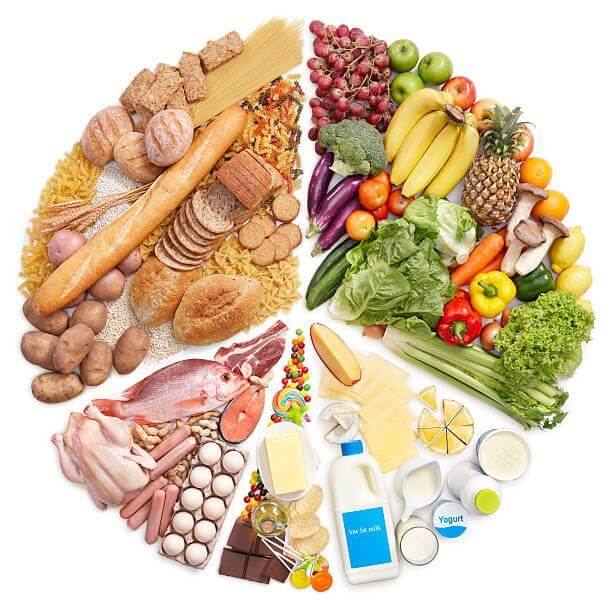
Healthy eating is foundational to good health, influencing not only physical well-being but mental and emotional health as well. In the United States, the state of health has become a growing concern, with a rise in chronic conditions such as obesity, heart disease, and diabetes. The food choices we make play a significant role in shaping our health outcomes. A balanced diet, which includes a variety of whole foods, lean proteins, healthy fats, and plenty of fruits and vegetables, is crucial for maintaining optimal health. This article will examine the state of the American diet, explore the benefits of healthy eating, and provide guidance on overcoming common barriers to better nutrition.
The American Diet
The typical American diet is characterized by a high intake of processed foods, sugary snacks, and unhealthy fats. These foods, while convenient and widely available, have negative effects on health, contributing to the rise of obesity and diet-related diseases. Common unhealthy eating habits include frequent consumption of fast food, sugary beverages, and a lack of portion control. Additionally, many Americans rely on ultra-processed foods, which are often stripped of nutrients and packed with additives. A heavy reliance on such foods means that many individuals are not receiving the nutrients they need for proper bodily function, leading to deficiencies and health problems. The modern diet, with its emphasis on convenience over nutrition, plays a significant role in the country's growing health crisis.

The Benefits of Healthy Eating
The benefits of healthy eating go far beyond simply managing weight. A balanced diet positively impacts physical health by improving heart health, strengthening the immune system, and boosting energy levels. Consuming nutrient-dense foods helps prevent chronic conditions such as heart disease, type 2 diabetes, and certain cancers. On the mental health front, research has shown that a diet rich in whole foods can improve mood, reduce anxiety, and even prevent cognitive decline in aging adults. A balanced diet also plays a key role in overall well-being by promoting healthy skin, improving sleep quality, and supporting a strong digestive system. By choosing healthier foods, individuals can reduce the risk of many preventable diseases and experience a better quality of life.
Popular Diets in the USA
Over the years, various diets have gained popularity in the United States, each promising different benefits for health and weight management. Among the most popular are the Mediterranean, plant-based, and keto diets. The Mediterranean diet emphasizes the consumption of whole grains, fruits, vegetables, fish, and healthy fats like olive oil, making it heart-healthy and anti-inflammatory. The plant-based diet, which focuses on whole plant foods, has been shown to improve heart health, aid in weight loss, and reduce the risk of certain cancers. The keto diet, which is low in carbohydrates and high in fats, is popular for its potential to support weight loss and manage blood sugar levels. While these diets have proven benefits, it is important to evaluate their sustainability in the long term. A balanced approach to nutrition that incorporates aspects of these diets may be more suitable for individuals looking to make lasting changes to their eating habits.
Challenges to Healthy Eating
Despite the benefits of healthy eating, many Americans face significant obstacles in adopting and maintaining a balanced diet. One of the primary challenges is socio-economic factors—healthy, fresh foods are often more expensive than processed, convenience foods, making it difficult for lower-income individuals to make nutritious choices. Time constraints also play a major role, as busy schedules often lead to reliance on fast food or pre-packaged meals. Additionally, food accessibility is an issue in many areas, particularly in food deserts where fresh produce and nutritious options are scarce. Overcoming these challenges requires a multifaceted approach that includes education on affordable, healthy eating, creating more accessible food options, and encouraging time-saving meal prep strategies.

Local and Sustainable Food
One way to overcome some of the challenges to healthy eating is by advocating for local and sustainable food choices. Consuming locally sourced foods supports regional farmers and reduces the environmental impact associated with long-distance food transportation. Local food is often fresher and more nutrient-dense than food that has been shipped across the country, which means it has a higher potential for contributing to a healthy diet. Sustainable farming practices also benefit the environment by promoting biodiversity and reducing harmful chemicals. Many communities are supporting local food movements by organizing farmers' markets, community-supported agriculture (CSA) programs, and urban farming initiatives. By choosing locally grown, seasonal foods, individuals can improve their diet and support a healthier, more sustainable food system.
Tips for Healthy Eating in Different Life Stages
Healthy eating needs vary across different life stages, from childhood to old age. For children, a balanced diet rich in vitamins, minerals, and healthy fats is essential for growth and development. Teenagers, with their increased energy demands and changing bodies, should focus on nutrient-dense meals to support both physical and mental development. For adults, maintaining a diet high in fiber, lean proteins, and healthy fats can help manage weight and reduce the risk of chronic diseases. For seniors, it's important to consume foods that support bone health, improve digestion, and provide adequate energy without causing weight gain. Pregnant women should pay special attention to their nutritional needs, ensuring adequate intake of folic acid, iron, and calcium to support fetal development. At every stage of life, maintaining a balanced diet and adapting it to changing needs is key to promoting long-term health and well-being.

Conclusion
In conclusion, healthy eating is one of the most powerful tools for promoting long-term health and preventing chronic disease. While the American diet poses challenges, the benefits of choosing whole, nutrient-dense foods far outweigh the drawbacks of processed, convenience-based meals. By making small, sustainable changes—such as incorporating more fruits and vegetables, choosing whole grains, and reducing processed foods—individuals can significantly improve their health. Healthy eating is not about perfection but about making mindful, informed choices that support overall well-being. It's never too late to start making healthier choices, and every small step towards a balanced diet contributes to a longer, healthier life.

You must be logged in to post a comment.