


The fitness industry is evolving at a rapid pace, with innovations and trends emerging every year. By 2025, fitness is no longer just about lifting weights or running on a treadmill; it has grown into a holistic experience blending technology, mental well-being, and personalized approaches. Whether you're a fitness enthusiast or someone looking to improve your health, these are the top fitness trends you can’t afford to ignore this year.

1. AI-Powered Personalized Fitness Plans
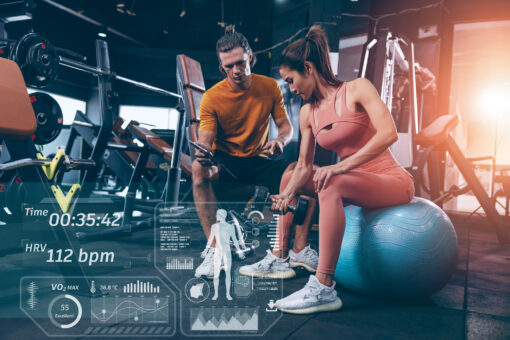
Gone are the days of generic workout routines. In 2025, artificial intelligence (AI) plays a significant role in personalizing fitness plans. With wearable fitness trackers, apps, and smart devices, AI can analyze your performance, health data, and preferences to create a customized workout schedule.
Whether it’s adjusting the intensity of a workout based on how you feel or recommending specific exercises for targeted results, AI ensures that each session is as efficient as possible.
Key Benefits:
-
Tailored workouts
-
Progress tracking
-
Optimal performance
-
2. Virtual Workouts and Live Classes
The rise of virtual fitness classes, accelerated by the COVID-19 pandemic, continues to grow. In 2025, virtual fitness has become more immersive, offering live sessions and on-demand workouts that can be streamed at home or while traveling. Some platforms even offer real-time feedback using AI to correct your form, making virtual workouts as interactive as an in-person class.
Additionally, with VR (Virtual Reality) integration, you can now experience workout sessions in virtual environments—whether that’s a beach yoga session or running through scenic landscapes, all from the comfort of your home.
Key Benefits:
-
Flexibility to work out anytime, anywhere
-
Accessibility to top trainers worldwide
-
Interactive and engaging experiences
-

3. Wearable Fitness Technology
Wearable tech has become a staple in fitness routines. Fitness trackers and smartwatches not only monitor heart rate and calories burned but also track advanced metrics like sleep cycles, stress levels, and even muscle recovery. In 2025, wearables are becoming even smarter with biometric sensors that can detect dehydration levels, predict injury risks, and recommend rest periods.
For athletes and fitness enthusiasts, devices like WHOOP and Oura Ring provide detailed insights into recovery, sleep quality, and optimal performance zones, helping users fine-tune their fitness plans for better results.
Key Benefits:
-
Real-time health and fitness data
-
Injury prevention
-
Better recovery insights
-

4. Mindfulness and Mental Health Integration
Fitness in 2025 isn’t just about physical strength—mental wellness is equally important. As more people recognize the link between mental health and physical fitness, mindfulness workouts are gaining traction. Yoga, meditation, and breathwork are being integrated into daily routines to improve stress management, emotional resilience, and overall well-being.
Mental health apps like Calm and Headspace are pairing with fitness routines to promote mindfulness. Some gyms now offer “mindful movement” classes, blending stretching, deep breathing, and meditation to help members reduce anxiety and improve focus.
Key Benefits:
-
Reduced stress
-
Improved focus and clarity
-
Enhanced emotional well-being
-

5. Functional Fitness and Mobility Training
Functional fitness, which focuses on exercises that mimic real-life movements, is growing in popularity. In 2025, these workouts are designed to improve strength, balance, flexibility, and coordination for everyday activities. Whether it’s lifting groceries or running after a bus, functional fitness prepares your body for real-world movements.
Mobility training also plays a crucial role in preventing injuries and improving range of motion. Stretching, foam rolling, and dynamic warm-ups are now essential parts of every workout.
Key Benefits:
-
Improved daily movement and mobility
-
Injury prevention
-
Enhanced functional strength
-

6. Recovery and Biohacking Techniques
Recovery is a critical part of any fitness routine. In 2025, biohacking—using technology and science to optimize the body’s natural functions—is becoming an essential part of fitness. Cryotherapy, infrared saunas, and muscle stimulators like PowerDot are now commonly used to accelerate recovery, reduce soreness, and improve muscle repair.
Sleep optimization tools and supplements also play a role in the recovery process, ensuring that your body gets the rest it needs to rebuild stronger.
Key Benefits:
-
Faster recovery times
-
Increased muscle repair
-
Optimized sleep and rest
-

7. Sustainable Fitness Practices
As environmental consciousness grows, more people are opting for sustainable fitness practices. Eco-friendly gyms, workout gear made from recycled materials, and sustainable fitness studios are on the rise. Even outdoor workouts, such as hiking or running, are being embraced as eco-friendly alternatives to gym-based workouts.
Additionally, plant-based nutrition is becoming a significant trend, with more fitness enthusiasts incorporating plant-based diets to enhance energy levels and performance.
Key Benefits:
-
Reduced environmental footprint
-
Sustainable workout gear and apparel
-
Health benefits from plant-based nutrition
-

8. Group Fitness and Community Support
While virtual fitness offers convenience, group fitness is making a strong comeback. In 2025, people are seeking connection and motivation in group settings. Fitness communities, whether in-person or online, provide support, accountability, and shared goals. Many gyms offer hybrid models—virtual classes combined with in-person sessions—to provide the best of both worlds.
Apps and fitness challenges have also played a role in keeping people motivated. Virtual fitness communities where participants can share progress and celebrate achievements have become an essential part of many fitness journeys.
Key Benefits:
-
Motivation and accountability
-
Social connection
-
Shared fitness goals
-

9. Nutrition and Fitness Integration
Fitness enthusiasts in 2025 are becoming more mindful of their diets, and fitness apps are increasingly incorporating nutrition tracking alongside workout plans. Tools like MyFitnessPal allow users to track calories, macronutrients, and hydration levels to ensure they are fueling their bodies correctly.
Many fitness trainers now offer holistic programs that include fitness plans and nutrition guides. These integrated approaches ensure that clients aren’t just working out; they’re also fueling their bodies for optimal results.
Key Benefits:
-
Better diet tracking
-
Improved fitness results
-
Holistic approach to health
-

Conclusion
Fitness in 2025 is about much more than just lifting weights or running. It’s about using technology to optimize every aspect of your health, from personalized fitness plans and virtual workouts to recovery methods and mental wellness practices. With these emerging trends, it’s easier than ever to stay fit, healthy, and motivated. Whether you’re a beginner or a seasoned athlete, these new fitness trends can help you reach your full potential in the coming year.
Staying on top of these trends will ensure that your fitness routine is not just effective but also engaging and sustainable in the long run.






Comments 0
Sign in to join the conversation.
No comments yet. Be the first to say something.