

Table of Contents
- Understanding the Biological Foundations of Mental Health
- The Psychological Aspect: Therapy and Coping Mechanisms
- The Importance of Social Connections in Mental Well-Being
- Lifestyle Factors that Contribute to Mental Health
- The Role of the Workplace in Promoting Mental Health
- Managing Technology’s Impact on Mental Health
- Cultural Sensitivity and Mental Health Awareness
- Embracing Individual Diversity in Mental Health Care
- Conclusion: A Comprehensive Approach to Mental Well-Being
1. Understanding the Biological Foundations of Mental Health
Mental health is rooted in the biological processes of our brain and body, with neurotransmitters and hormones playing a pivotal role in our emotional and psychological states. Advances in neuroscience have uncovered the complexities of the brain’s neural circuitry, which governs emotions, thoughts, and behaviors. Conditions like anxiety and depression are often linked to imbalances in these biological systems, making it crucial to approach mental health from a physiological perspective. By studying the brain’s inner workings, researchers are developing targeted treatments, such as medications and therapies that regulate chemical imbalances, to offer relief to those struggling with mental health disorders. Understanding the physiological foundations allows for a more effective approach to managing mental illnesses, supporting the need for a holistic perspective that integrates both medical and psychological strategies.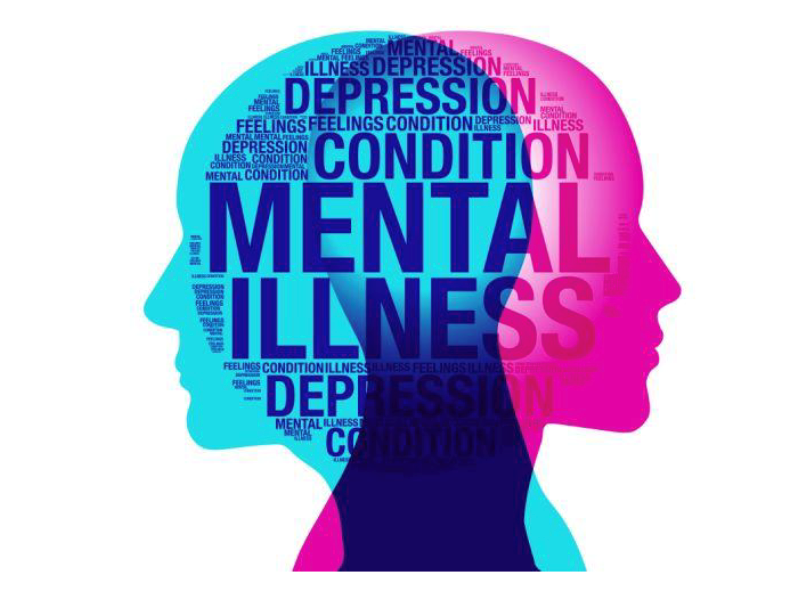
2. The Psychological Aspect: Therapy and Coping Mechanisms
Psychotherapy is a cornerstone of mental health care, offering individuals a safe space to explore their thoughts, emotions, and behaviors. Various therapeutic approaches, including Cognitive Behavioral Therapy (CBT), mindfulness-based practices, and psychodynamic therapy, each offer distinct methods to help individuals confront and manage their mental health challenges. CBT, for instance, focuses on identifying negative thought patterns and replacing them with healthier perspectives, while mindfulness approaches encourage present-moment awareness to reduce anxiety and stress. These therapeutic interventions not only provide coping mechanisms but also empower individuals with the tools needed to build emotional resilience. The power of self-awareness and self-reflection fosters long-term mental well-being, making psychotherapy an essential aspect of a holistic mental health strategy.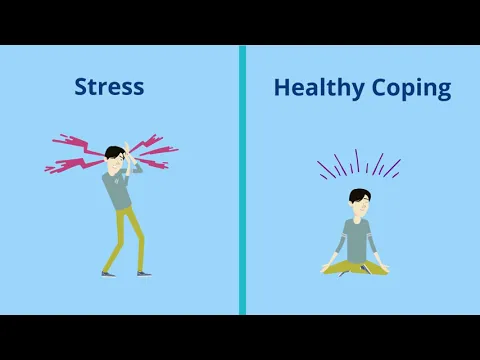
3. The Importance of Social Connections in Mental Well-Being
Human connections are a critical component of mental health. Research shows that strong social support networks foster resilience, reduce stress, and contribute to emotional well-being. Positive relationships with family, friends, and communities create a sense of belonging, which is vital for maintaining mental health. On the other hand, social isolation can increase the risk of depression and anxiety. It is crucial, therefore, to nurture social bonds and ensure that individuals feel connected to others. Community engagement, participation in social activities, and open conversations about mental health are vital to combating loneliness and fostering a culture of support. When people feel supported and understood, their ability to manage mental health challenges improves, underscoring the importance of social networks in maintaining emotional stability.
4. Lifestyle Factors that Contribute to Mental Health
A holistic approach to mental health cannot ignore the significant role of lifestyle factors such as diet, exercise, sleep, and stress management. Research has shown that a balanced diet rich in nutrients supports brain function and emotional well-being, while regular physical activity can reduce symptoms of depression and anxiety. Additionally, adequate sleep is essential for mental clarity and emotional regulation. A healthy lifestyle provides the foundation for maintaining mental health, but mindfulness practices such as yoga, meditation, and deep-breathing exercises further enhance well-being by promoting relaxation and reducing stress. Integrating these practices into daily life can significantly improve an individual’s emotional and psychological health, helping to foster a more balanced, resilient state of mind.
5. The Role of the Workplace in Promoting Mental Health
Workplaces often represent a significant source of stress, but employers are increasingly recognizing the need to create mentally healthy environments. Initiatives such as employee assistance programs, mental health days, and workshops on stress management are steps in the right direction. A mentally healthy workplace encourages open communication, reduces stigma, and supports employees in seeking help when necessary. Employers who prioritize mental health not only improve the well-being of their employees but also enhance productivity, reduce absenteeism, and foster a more supportive corporate culture. As the workplace continues to evolve, integrating mental health initiatives is essential for ensuring that employees feel valued and supported, creating an environment conducive to both personal and professional growth.
6. Managing Technology’s Impact on Mental Health
While technology has revolutionized the way we communicate and access information, it also presents challenges to mental health. The constant influx of digital information, the pressures of social media, and the stress of staying connected can lead to anxiety and digital overload. Balancing the benefits of technology with the need for mental well-being requires a mindful approach to digital consumption. Regular digital detoxes, mindful social media use, and using technology for mental health interventions, such as meditation apps or online therapy sessions, can help mitigate the adverse effects of excessive screen time. Understanding the importance of setting boundaries with technology is essential for protecting mental health in the digital age.
7. Cultural Sensitivity and Mental Health Awareness
Mental health is not only an individual experience but also a cultural one. Cultural norms, beliefs, and taboos can influence how people perceive and address mental health issues. In many cultures, mental health struggles are stigmatized, which can prevent individuals from seeking help. Breaking these cultural taboos is crucial for fostering a more open and empathetic society. Mental health interventions must be tailored to be culturally sensitive, ensuring that diverse populations receive care that respects their values and experiences. Education and awareness campaigns play an essential role in shifting societal attitudes towards mental health, creating an environment where individuals feel empowered to seek help without fear of judgment.
8. Embracing Individual Diversity in Mental Health Care
Mental health challenges affect individuals differently, depending on a range of factors such as age, gender, socioeconomic status, and personal experiences. A person-centered approach to mental health care recognizes the unique needs of each individual and offers tailored interventions. Embracing diversity in mental health means addressing the specific context of each person’s life, ensuring that interventions are effective and inclusive. This individualized approach is essential in ensuring that people receive the care and support they need, regardless of their background. By honoring diversity in mental health care, we ensure that mental health services are accessible, effective, and sensitive to the nuances of individual experiences.
9. Conclusion: A Comprehensive Approach to Mental Well-Being
In conclusion, mental health is a complex and multifaceted issue that demands a holistic and inclusive approach. By addressing the biological, psychological, social, and cultural dimensions of mental health, we can create a more comprehensive understanding of well-being. A balanced lifestyle, social support, and culturally sensitive interventions are key components of this approach. As we continue to navigate the challenges of modern life, it is vital to prioritize mental health and create environments where individuals feel supported and empowered. Together, we can pave the way for a more compassionate world that values mental well-being and offers accessible, effective support for all.









Comments 0
Sign in to join the conversation.
No comments yet. Be the first to say something.