


1. Introduction: The Gift of Natural Beauty
Natural beauty is one of the Earth’s most treasured gifts, offering a sense of wonder and tranquility to all who experience it. From majestic mountains to serene rivers, lush forests to vibrant coral reefs, the planet’s landscapes are a testament to the incredible diversity and splendor of nature. These natural wonders not only provide aesthetic pleasure but also play a crucial role in supporting life and maintaining ecological balance.
The intrinsic value of natural beauty goes beyond its visual appeal. It serves as a source of inspiration for art, literature, and spirituality, influencing cultures and traditions worldwide. In an increasingly urbanized world, the importance of preserving these natural landscapes becomes even more critical, as they offer a retreat from the hustle and bustle of modern life and remind us of our deep connection to nature.
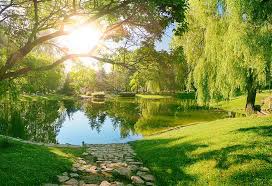
2. The Diverse Landscapes of Our Planet
Earth’s natural beauty is showcased through its diverse landscapes, each unique in its charm and ecological significance.
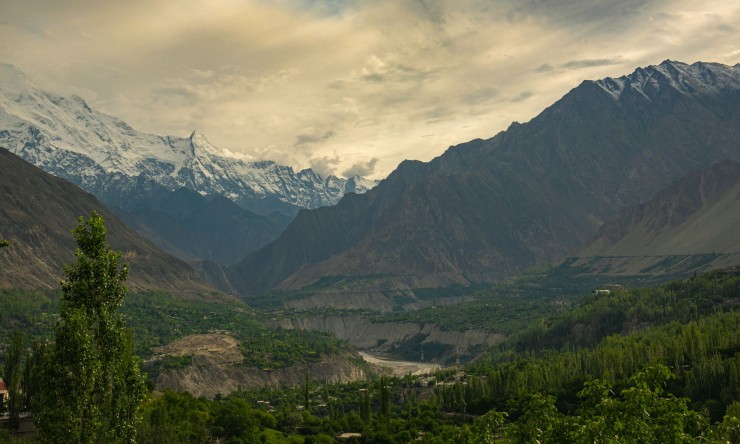
- Mountains: Towering peaks like the Himalayas and the Andes offer breathtaking views and host unique biodiversity.
- Forests: From the Amazon rainforest to the taiga of Siberia, forests are vital for carbon sequestration and home to countless species.
- Oceans and Seas: Covering over 70% of the Earth’s surface, oceans are rich in marine life and essential for global climate regulation.
- Deserts: The vast deserts like the Sahara and the Atacama exhibit stark beauty and are adapted to extreme conditions.
- Rivers and Lakes: Freshwater bodies like the Nile, Amazon River, and Great Lakes are crucial for human survival and ecosystems.
Each of these landscapes contributes to the planet’s overall beauty and ecological balance, providing resources, shelter, and recreational opportunities.
3. The Role of Natural Beauty in Human Well-being
Natural beauty significantly impacts human well-being, offering psychological, emotional, and physical benefits.
- Mental Health: Studies show that spending time in nature reduces stress, anxiety, and depression. The tranquility of natural settings provides a mental reset from daily life’s pressures.
- Physical Health: Outdoor activities like hiking, swimming, and cycling promote physical fitness and overall health.
- Emotional Connection: Nature fosters a sense of belonging and connection, enhancing our emotional well-being and encouraging mindfulness.
- Cultural and Spiritual Significance: Many cultures and religions draw inspiration from nature, considering it sacred and integral to their traditions and practices.
The therapeutic effects of nature are undeniable, making it essential to preserve natural beauty for our collective well-being.
4. Threats to Natural Beauty and Ecosystems
Despite its importance, natural beauty is increasingly threatened by human activities and environmental changes.
- Deforestation: Large-scale deforestation for agriculture, logging, and urbanization leads to habitat loss and biodiversity decline.
- Pollution: Air, water, and soil pollution degrade natural landscapes and harm wildlife.
- Climate Change: Rising temperatures, melting glaciers, and extreme weather events disrupt ecosystems and alter natural beauty.
- Overexploitation: Unsustainable tourism, fishing, and resource extraction put immense pressure on natural environments.
- Urbanization: Expanding cities and infrastructure often encroach upon and destroy natural habitats.
Addressing these threats is crucial to preserving the planet’s natural beauty for future generations.
5. Preserving Natural Beauty for Future Generations
Conservation efforts are essential to maintain the planet’s natural beauty and ecological integrity. Key strategies include:
- Protected Areas: Establishing national parks, wildlife reserves, and marine sanctuaries to protect biodiversity.
- Sustainable Practices: Promoting sustainable agriculture, fishing, and tourism to minimize environmental impact.
- Reforestation and Restoration: Planting trees and restoring degraded ecosystems to enhance biodiversity and carbon sequestration.
- Education and Awareness: Educating the public about the importance of conservation and encouraging environmentally friendly behaviors.
- Legislation and Policies: Implementing and enforcing environmental laws to regulate pollution, deforestation, and resource exploitation.
Preservation efforts ensure that future generations can enjoy and benefit from the natural beauty of our planet.
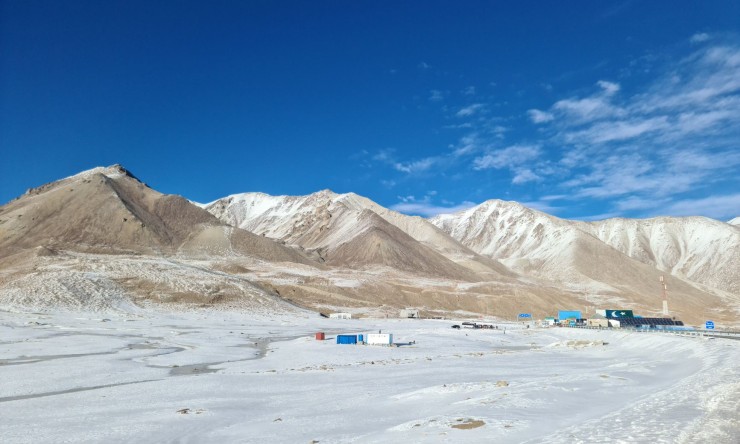
[Insert Image Here]
6. The Role of Communities and Governments in Conservation
Both communities and governments play pivotal roles in conserving natural beauty and ecosystems.
- Community Involvement: Local communities often act as stewards of natural landscapes, engaging in conservation activities and promoting sustainable practices.
- Government Policies: Governments can implement policies that protect natural areas, reduce pollution, and promote sustainability.
- International Cooperation: Global challenges like climate change require international collaboration and agreements for effective solutions.
- Corporate Responsibility: Businesses can adopt eco-friendly practices, reduce their carbon footprint, and support conservation initiatives.
Collaborative efforts between individuals, communities, governments, and organizations are essential to safeguarding the planet’s natural heritage.



Comments 0
Sign in to join the conversation.
No comments yet. Be the first to say something.