

NASA's next target
"Have you ever taken a long journey by bus or train? If so, then you are well aware that long journeys usually slow a person down. You must have traveled continuously for one or two days at most. But in the next few years, you will also see a person who will not be traveling for a day or two, but for eighteen consecutive months around the world. Soon you will see it live on Facebook.
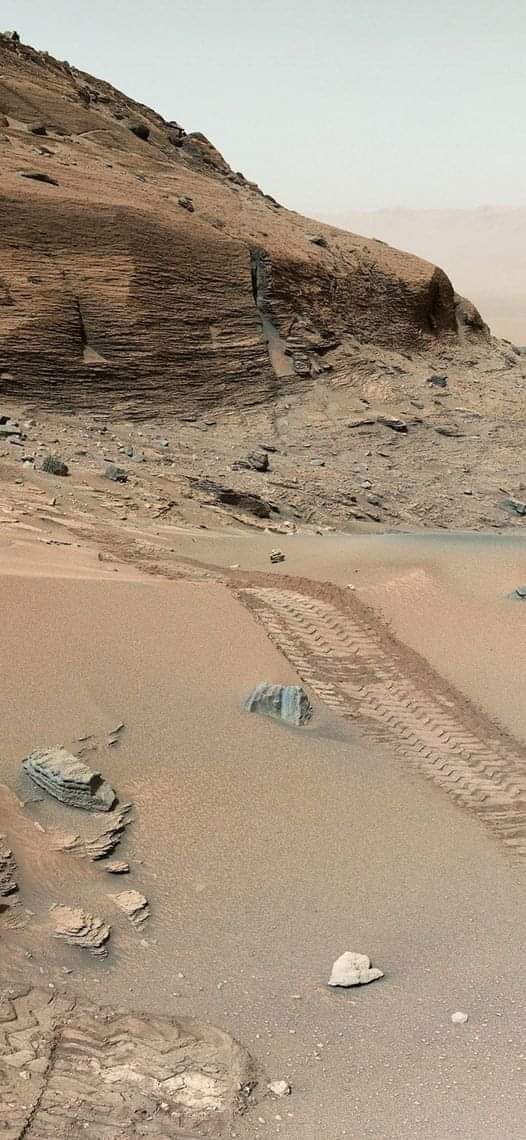
NASA's next target is to land humans on Mars, NASA's technology is already there, and it is working continuously, a machine called Perseverance is also making regular oxygen on Mars. Like Earth, Mars is also in motion when they are close, so there are about five and a half million miles between them. There is a distance of kilometers. The fastest space vehicle with NASA, ,, takes about 9 months and 2 weeks to cover this distance. Now this is a big challenge for NASA, which astronomer should we send to Mars? And even if we send someone there, how long will he be there? Will be able to "stay". ? Among all the astronomers who have gone to the moon, no astronomer has stayed there for more than 20 hours. But Mars is located at a distance of five and a half million kilometers from the earth, how long will the astronomer be able to "stay" there?
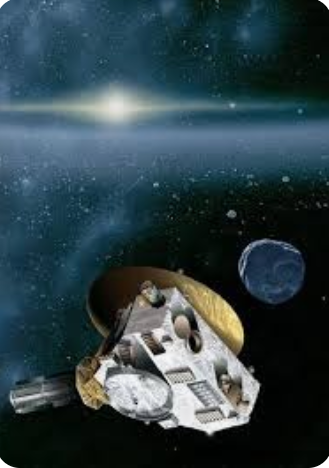
According to NASA, the "Artemis" spacecraft takes about two years to reach Mars. Will the person who will be sitting in this spaceship, he will not go crazy from this longest journey? When we go to Lahore, Peshawar or Karachi, the bus stops at various places so that the passengers can be refreshed, but in this journey the vehicle will stop after nine months and that too at a very dangerous place in the other world. And not necessarily the astronomers we are sending. He could reach there safely. Because this journey can make a person psychotic,, while we get tired of going only fifty kilometers,,,,, and this is a distance of five and a half million kilometers? NASA's radio signals and the rest of the system are strong, meaning that the vehicle will reach, but nothing can be reliably said about the human in it.
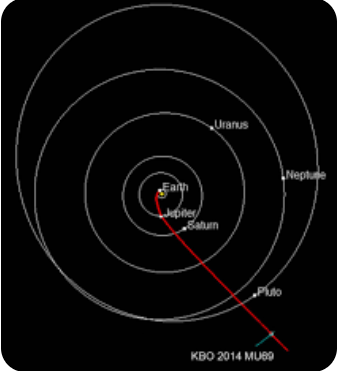
Currently, the International Space Station is continuously orbiting the Earth at a distance of 400 kilometers from the Earth. ,, who spend seven to eight months there. There, since humans do not feel the gravity of the earth, their bodies become very sluggish. After a few weeks, their feet are no longer able to function properly because they don't know if their feet are up or down. When an experienced astronomer cannot spend a few months at 400 km from the earth, how can he spend so much time continuously in space?
NASA continues to send its astronauts to the International Space Station for this reason, so that they can get a full understanding of the possible difficulties in going to and "staying" on the Moon and Mars. The per capita cost of commuting is millions of dollars. I am not talking about a complete mission but just one astronomer. If NASA allows this thing, who will take this risk? What do you think NASA should do? I don't think any NASA astronomer is ready for that yet,,,, and never will be. What do you think?









Comments 0
Sign in to join the conversation.
No comments yet. Be the first to say something.