


Nail Care Routine for Diabetic Patients
Diabetes can affect many aspects of your health, and one area often overlooked is the care of your nails and feet. Poor blood circulation, high blood sugar levels, and diabetic neuropathy can increase the risk of nail infections, fungal growth, and other complications. Regular and proper nail care is crucial for preventing serious health issues, such as ulcers, infections, and amputations.
In this guide, we will discuss an essential nail care routine specifically designed for diabetic patients. By incorporating these tips into your daily regimen, you can significantly reduce the risk of complications and maintain healthy nails.
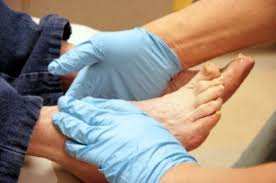
Why Nail Care is Important for Diabetic Patients
For individuals with diabetes, maintaining proper foot and nail care is essential for several reasons:
- Poor Circulation: High blood sugar levels can damage blood vessels, leading to reduced circulation in the extremities. This makes it harder for the body to fight off infections, especially in the feet and nails.
- Neuropathy: Diabetic neuropathy can cause numbness and loss of sensation in the feet, making it difficult to detect injuries, cuts, or infections that could lead to more severe problems.
- Increased Infection Risk: High blood sugar creates a favorable environment for bacteria and fungi to thrive. Nail and foot infections can develop quickly, causing significant health concerns if left untreated.
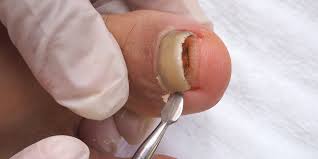
Key Tips for a Diabetic-Friendly Nail Care Routine
1. Inspect Your Feet and Nails Regularly
One of the most important aspects of diabetic nail care is daily inspection. Since neuropathy may prevent you from feeling pain or noticing injuries, regularly checking your nails and feet for cuts, blisters, or any signs of infection is crucial.
- What to look for: Check for redness, swelling, warmth, ingrown nails, discoloration, or any unusual changes. Make sure there are no signs of fungal infections, such as thickened or discolored nails.
- Frequency: Aim to inspect your feet and nails at least once a day, preferably in the evening.
2. Proper Nail Trimming
Cutting your nails correctly is key to preventing injury and discomfort. Avoid cutting your nails too short or in a curved shape, as this can cause ingrown nails or infections.
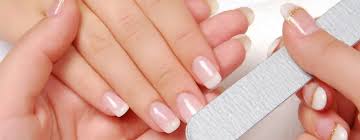
- Trim nails straight across: Use a clean, sharp nail clipper to cut your nails straight across. Don’t round the corners, as this can lead to ingrown nails.
- Avoid cutting cuticles: Cutting or pushing back your cuticles can increase the risk of infection. Instead, gently push them back with a soft tool after soaking your feet.
- Regular Trimming: Trim your nails every 4-6 weeks or as needed, depending on how fast they grow. Be careful not to leave any sharp edges that could cut your skin

3. Soak Your Feet for Softening
Soaking your feet in warm, not hot, water can soften the nails and skin, making them easier to trim and maintain. However, it’s important not to soak your feet for too long, as it can lead to dry or cracked skin.
- Soak your feet for 10-15 minutes in warm water with mild soap or a foot soak solution.
- After soaking, dry your feet thoroughly with a soft towel, especially between the toes, to avoid moisture buildup which can encourage fungal growth.
4. Moisturize Your Nails and Skin
Diabetic patients often experience dry skin, especially on their feet. Dryness can lead to cracks, which can provide an entry point for bacteria and fungi. Regular moisturizing helps keep your skin soft, healthy, and protected.
- Use a diabetic-friendly foot cream: Choose a fragrance-free, diabetic-friendly moisturizer that’s gentle on sensitive skin.
- Avoid the spaces between toes: When moisturizing, apply cream to the tops and bottoms of your feet, but avoid the area between the toes, as excess moisture in this area can increase the risk of fungal infections.
- Consider using natural oils: Coconut oil, for example, has natural antifungal and antibacterial properties.
5. Protect Your Feet from Injury
Since diabetic neuropathy can reduce sensation in the feet, it's important to protect your feet from injury. Even small cuts or abrasions can become infected if unnoticed.
- Wear proper footwear: Ensure that your shoes fit properly and provide adequate support. Avoid tight shoes, as they can cause blisters and ingrown nails. Opt for shoes with a wide toe box to avoid pressure on the toes.
- Avoid walking barefoot: Always wear socks or shoes, even at home, to prevent stepping on sharp objects or hot surfaces that could harm your feet.
- Check for foreign objects: Before putting on your shoes, check inside to make sure there are no small objects that could cause injury.
6. Keep Your Nails Clean and Dry
Maintaining cleanliness is essential to prevent fungal and bacterial infections. Make sure to dry your feet thoroughly after bathing, as moisture between your toes can lead to fungal growth.
- Clean your nails gently: Use a soft brush or cloth to clean your nails and around your cuticles. Avoid harsh scrubbing, which can cause irritation.
- Wear breathable socks: Choose socks made from natural fibers, like cotton or wool, which allow your feet to breathe and wick away moisture.
7. Watch for Infections and Seek Treatment Early
If you notice any signs of infection, such as redness, swelling, pus, or an unpleasant odor, seek medical attention immediately. Infections can worsen quickly in diabetic patients and may lead to serious complications.
- Act quickly: If you develop any signs of infection or have concerns about your nails or feet, contact your healthcare provider as soon as possible.
- Regular check-ups: Visit a podiatrist regularly for professional check-ups, especially if you have any foot problems or complications from diabetes
8. Maintain Good Blood Sugar Control
Proper blood sugar control is essential for reducing the risk of complications in the feet and nails. High blood sugar can contribute to poor circulation, increased infection risk, and slower healing.
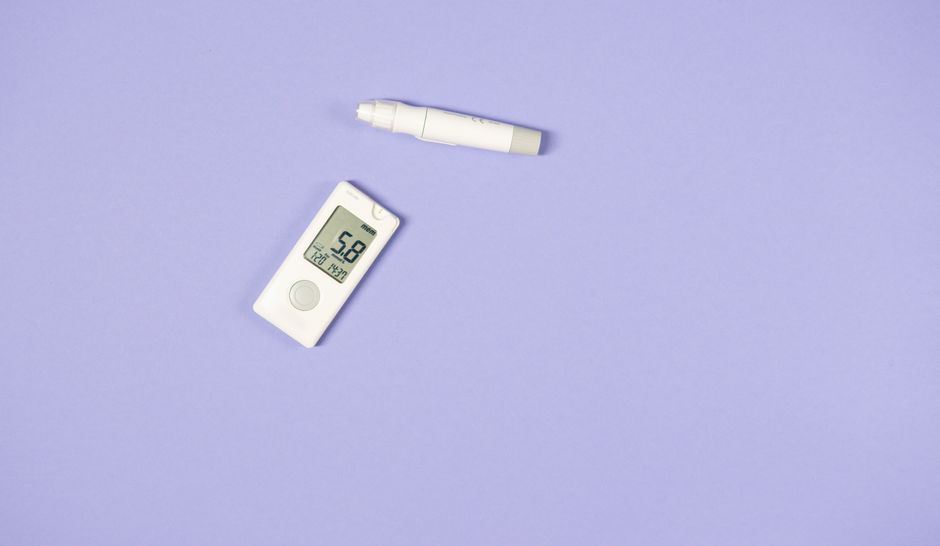
- Monitor your blood sugar levels: Keep track of your blood glucose levels and follow your healthcare provider’s recommendations to manage them effectively.
- Eat a balanced diet: A healthy, balanced diet rich in whole grains, lean proteins, and plenty of fruits and vegetables can help keep blood sugar levels in check.
Conclusion
A daily nail and foot care routine is essential for diabetic patients to prevent infections, promote healing, and protect overall health. By inspecting your feet regularly, trimming nails properly, moisturizing, and seeking prompt medical attention when needed, you can maintain healthy nails and feet. Additionally, controlling blood sugar levels plays a crucial role in reducing the risk of complications. Always work with your healthcare provider and podiatrist to ensure optimal care for your feet.
By being proactive with nail care, you can enjoy a better quality of life and avoid serious foot issues down the road.







Comments 0
Sign in to join the conversation.
No comments yet. Be the first to say something.