


Mastering Newborn Care: A First-Time Mom's Guide
Becoming a mother for the first time is an exciting and life-changing experience, but it can also feel overwhelming. The first few months with a newborn are filled with new challenges, and it’s easy to feel uncertain. But with the right information and mindset, you can navigate these early days with confidence. This comprehensive guide will walk you through essential newborn care tips, covering feeding, sleeping, diapering, and more to help you feel prepared and empowered.

Understanding Your Newborn’s Needs
Newborns have basic and essential needs that revolve around eating, sleeping, and bonding. These needs may seem repetitive, but they’re critical to your baby’s development and well-being.
- Feeding: Whether you’re breastfeeding or formula-feeding, your newborn’s nutritional needs are the top priority. Babies typically need to feed every 2 to 3 hours, and their stomachs are small, so expect frequent, small feedings.
- Sleep: Newborns spend a lot of time sleeping—up to 16 to 17 hours a day—though often in short intervals. Creating a calm, safe sleep environment is important for promoting healthy sleep habits.
- Bonding: Developing a strong emotional bond with your newborn is vital. Physical touch, skin-to-skin contact, and talking to your baby are all important ways to nurture this connection.

1. Feeding Your Newborn
Feeding is one of the most important aspects of newborn care. Whether you choose to breastfeed or formula-feed, your baby’s feeding routine will help them grow and thrive in these early months.
Breastfeeding
- Positioning and Latch: Make sure your baby is latched properly to avoid nipple pain. Your baby's mouth should cover the entire areola, not just the nipple.
- Frequency: Newborns typically breastfeed 8-12 times in a 24-hour period. Be patient and allow your baby to feed for as long as they need.
- Hydration and Nutrition: Drink plenty of water and eat a balanced diet to support milk production.
Formula Feeding
- Choosing the Right Formula: Consult with your pediatrician to choose the best formula for your baby. Most babies do well on cow’s milk-based formula, but some may need alternatives, such as soy or hypoallergenic formulas.
- Feeding Schedule: Formula-fed babies typically need to feed every 3 to 4 hours. Make sure to follow the recommended measurements and avoid overfeeding.
- Bottles and Cleaning: Sterilize bottles and nipples before each use, especially during the first few months.

2. Diapering Your Newborn
Newborns go through diapers quickly, and you’ll find yourself changing them frequently. Here are a few tips for effective diapering:
- Changing Diapers: Newborns need to be changed every 2 to 3 hours or whenever their diaper is soiled. This helps prevent rashes and keeps your baby comfortable.
- Diaper Rash Prevention: Use a thick layer of diaper cream to protect your baby’s delicate skin. Make sure to allow your baby’s bottom to air out occasionally.
- Proper Wipes and Cleaning: Always wipe your baby from front to back to avoid infection, especially for girls. Use baby wipes that are gentle and alcohol-free.

3. Sleep and Soothing Tips
While your newborn’s sleep patterns can be erratic, there are steps you can take to promote better sleep for both you and your baby.
- Safe Sleep Practices: Lay your baby on their back to sleep on a firm, flat surface. Avoid soft bedding, pillows, or toys in the crib to reduce the risk of suffocation.
- Creating a Sleep Routine: Newborns thrive on routine. Try to create a calming bedtime ritual, such as dimming the lights, reading a short story, or gently rocking your baby to sleep.
- Soothe with Comfort: Some babies find comfort in sucking on a pacifier or being swaddled. Experiment with different techniques to see what works best for your little one.

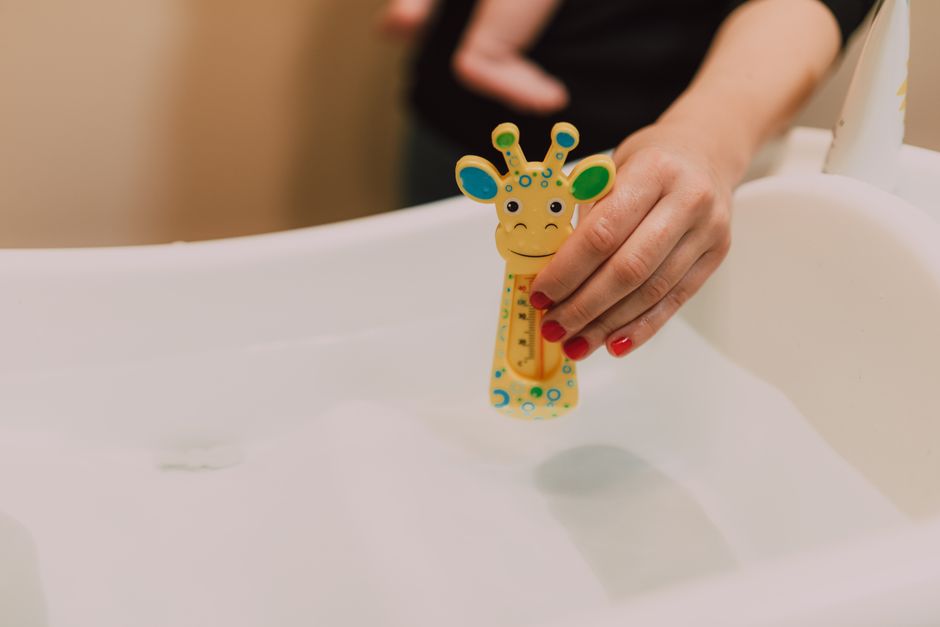
4. Bathing and Hygiene
While your newborn doesn’t need a full bath every day, maintaining cleanliness is important.
- Sponge Baths: Until the umbilical cord stump falls off (usually within the first few weeks), give your baby sponge baths using a soft cloth and warm water.
- Daily Care: Clean your baby’s face, neck, and diaper area daily to keep them comfortable and avoid rashes. Use a mild, fragrance-free baby wash to protect their sensitive skin.
- Hair Care: Babies don’t need much hair care, but you can gently wash their scalp with a soft cloth. If your baby develops cradle cap (scaly patches on the scalp), use a gentle baby brush to loosen the flakes.
5. Monitoring Your Baby’s Health
It’s essential to keep track of your baby’s health during the first few months.
- Pediatrician Visits: Regular check-ups with your pediatrician are essential for monitoring growth and development. These visits are usually scheduled at 2 weeks, 2 months, 4 months, and 6 months.
- Vaccinations: Your baby will need several vaccinations during the first few months. Be sure to stay on top of the vaccination schedule to protect your baby’s health.
- Signs of Illness: Keep an eye out for signs of illness, such as a fever, unusual crying, or changes in feeding patterns. If you’re ever concerned, don’t hesitate to contact your doctor.

6. Managing Your Own Well-being
Taking care of your newborn is important, but it’s also crucial to take care of yourself as a first-time mom.
- Rest When You Can: It can be tempting to try and do everything yourself, but don’t forget to rest. Ask for help from your partner, family, or friends so you can recharge.
- Eating Well: Proper nutrition will help you maintain your energy. Eat balanced meals and stay hydrated to support your physical and emotional well-being.
- Emotional Support: Becoming a mom is a huge transition. Don’t hesitate to reach out to a support network or talk to a therapist if you’re feeling overwhelmed or struggling with postpartum emotions.

7. Developmental Milestones to Watch For
While every baby develops at their own pace, there are some common milestones that you can expect during the first few months.
- Social Smiles: Around 6 to 8 weeks, your baby may begin to smile in response to others, showing early signs of social interaction.
- Head Control: By 2 to 3 months, your baby will start to develop better head control, which is crucial for their physical development.
- Tracking Objects: Your newborn will begin to focus on and track objects with their eyes as their vision improves.

Conclusion
Caring for your newborn can be challenging, but with time, practice, and the right support, you will develop confidence and find your rhythm as a new mom. By following the essential tips in this guide—feeding, diapering, sleep routines, and self-care—you can nurture your baby’s health while also taking care of yourself. Remember, you don’t have to be perfect; just be patient, loving, and flexible. Parenthood is a journey, and every step you take brings you closer to mastering newborn care and embracing your new role as a mom.







Comments 0
Sign in to join the conversation.
No comments yet. Be the first to say something.