


In our fast-paced world, it’s easy to get caught up in the hustle and bustle of daily life, losing sight of what truly matters: living our best life. Living your best life is not just about achieving personal or professional success—it’s about fostering a sense of well-being, fulfillment, and balance in every aspect of your life. By integrating healthy habits, cultivating a positive mindset, and setting intentional goals, you can create a life that aligns with your values and aspirations.
This article offers practical strategies for living your best life—strategies that are simple yet powerful in helping you build a life filled with health, happiness, and success.

1. Prioritize Your Physical Health
Good health is the foundation of living your best life. Without it, achieving other life goals becomes difficult. To live your best life, you must prioritize your physical well-being by making intentional choices that promote a healthy lifestyle. Here are some key steps:
a. Regular Exercise
Exercise is one of the most effective ways to improve both physical and mental health. Regular physical activity boosts your energy levels, improves your mood, and strengthens your immune system. Aim for at least 30 minutes of moderate exercise most days of the week. Whether it’s walking, cycling, yoga, or strength training, find activities that you enjoy and make them a regular part of your routine.
b. Eat a Balanced Diet
A balanced diet is essential for maintaining optimal health. Include a variety of fruits, vegetables, whole grains, lean proteins, and healthy fats in your diet. Limit your intake of processed foods, sugary snacks, and excessive caffeine. Eating mindfully and in moderation helps you maintain energy levels and supports overall well-being.
c. Get Enough Sleep
Sleep is crucial for both physical and mental health. Adequate rest enhances cognitive function, improves memory, and helps you manage stress. Aim for 7-9 hours of sleep each night. Create a bedtime routine that promotes relaxation, such as turning off screens an hour before bed, reading a book, or practicing deep breathing exercises.
d. Stay Hydrated
Drinking enough water is essential for maintaining healthy body functions. Aim to drink at least 8 glasses (64 ounces) of water per day, or more depending on your activity level. Proper hydration improves skin health, aids digestion, and enhances cognitive function.

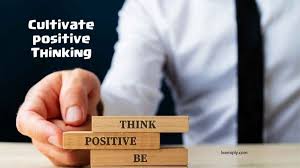
2. Cultivate a Positive Mindset
Your mindset plays a significant role in how you experience life. Cultivating a positive mindset helps you approach challenges with resilience, remain hopeful in difficult times, and experience greater happiness overall. Here’s how to develop a more positive mindset:
a. Practice Gratitude
Focusing on what you’re grateful for shifts your focus from what you lack to what you already have. Practicing gratitude has been shown to improve mood, reduce stress, and enhance overall well-being. Consider starting a gratitude journal, where you list three things you’re grateful for each day. This simple habit helps you develop a mindset of abundance rather than scarcity.
b. Surround Yourself with Positivity
The people you surround yourself with can have a major influence on your mindset. Build a supportive network of friends, family, and mentors who inspire and uplift you. Likewise, seek out environments that foster positivity, whether it’s through hobbies, personal growth activities, or communities that align with your values.
c. Reframe Negative Thoughts
Negative self-talk and limiting beliefs can hold you back from reaching your potential. When you catch yourself thinking negatively, reframe those thoughts into something more positive and constructive. For example, instead of thinking, "I can't do this," try reframing it to, "This is challenging, but I can learn and improve." Shifting your inner dialogue empowers you to embrace challenges and grow from them.
d. Practice Mindfulness
Mindfulness involves being present and fully engaged in the moment, without judgment. Practicing mindfulness can reduce stress, increase self-awareness, and improve emotional regulation. Whether through meditation, mindful breathing, or simply being present in your daily activities, mindfulness helps you cultivate inner peace and contentment.
3. Set Achievable Goals for Success
Success is often defined by personal achievement, but true success is about creating a life that aligns with your values and goals. Setting clear and achievable goals provides direction, motivation, and purpose. Here are some strategies for goal-setting:
a. Define Your Vision
Start by defining what success means to you. Is it career advancement? Building stronger relationships? Traveling the world? Living a balanced, fulfilling life? Identifying your core values and aspirations helps you set meaningful, long-term goals that inspire you.
b. Break Goals into Smaller Steps
Large goals can feel overwhelming, which is why breaking them into smaller, actionable steps is essential. For example, if your goal is to get fit, break it down into smaller tasks such as scheduling workouts, meal prepping, and tracking your progress. These small wins build momentum and keep you motivated.
c. Create a Plan
Having a plan helps you stay organized and focused. Set specific deadlines for each goal and regularly assess your progress. Writing down your goals and tracking your achievements helps hold you accountable and reminds you of the progress you've made.
d. Celebrate Your Progress
Acknowledge and celebrate your achievements along the way, no matter how small they may seem. Recognizing your progress boosts your confidence and keeps you motivated to continue working toward your goals.

4. Foster Strong Relationships
Human connection is a vital aspect of living a fulfilling life. Healthy relationships with family, friends, and romantic partners provide emotional support, love, and shared experiences that contribute to happiness and success. Here are some tips for fostering strong relationships:
a. Communicate Openly
Clear, open communication is essential for healthy relationships. Be honest and transparent with others about your feelings, needs, and concerns. Active listening is equally important—take the time to truly understand others’ perspectives and show empathy.
b. Prioritize Quality Time
Spending quality time with loved ones strengthens bonds and nurtures positive relationships. Set aside time for meaningful interactions, whether it's a weekly dinner with family, a date night with a partner, or a catch-up session with a friend.
c. Practice Kindness and Empathy
Treat others with kindness, respect, and empathy. Small gestures, like offering a compliment or helping someone in need, can go a long way in building trust and fostering a positive environment. Be mindful of others' emotions and offer support when necessary.

5. Embrace Lifelong Learning and Personal Growth
Living your best life means continuously evolving and growing as a person. Embrace opportunities for self-improvement and personal growth. Here’s how to keep learning and developing throughout your life:
a. Pursue Hobbies and Interests
Engage in activities that bring you joy, whether it's learning a new skill, pursuing a hobby, or exploring new interests. Hobbies help you relax, foster creativity, and give you a sense of accomplishment.
b. Seek Feedback
Constructive feedback from others can help you identify areas for growth and improvement. Be open to receiving feedback in both personal and professional settings, and use it as a tool to become a better version of yourself.
c. Continuously Challenge Yourself
Stepping outside your comfort zone and taking on new challenges helps you build resilience, confidence, and adaptability. Whether it’s trying a new workout, taking on a leadership role at work, or traveling to new places, challenging yourself promotes personal growth.

Conclusion
Living your best life is about embracing a holistic approach to well-being, which includes prioritizing health, cultivating happiness, fostering success, and nurturing relationships. By adopting healthy habits, developing a positive mindset, setting achievable goals, and continuously growing as a person, you can create a fulfilling, purpose-driven life. Remember, living your best life is a journey, not a destination. Stay committed to your well-being and take small steps every day toward achieving the life you truly desire.






Comments 0
Sign in to join the conversation.
No comments yet. Be the first to say something.