

Irregular Periods: 7 Common Causes Every Woman Should Know
Imagine waiting for your period, only to watch the expected date pass without any sign of it. Perhaps your period arrives twice in one month, disappears for several weeks, or suddenly becomes heavier than usual. You may begin wondering whether stress is responsible or whether something else is happening inside your body.
Irregular periods are a common concern among women of different ages. Although occasional changes are not always a sign of a health problem, persistent irregularity should not be ignored. Hormonal changes, stress, thyroid disorders, and reproductive health conditions can all affect menstrual cycles.
Here are seven common reasons for irregular periods and when you should seek medical advice.
1. Hormonal Imbalances
Hormones regulate many bodily functions, including menstruation. Estrogen and progesterone help control the menstrual cycle, while other hormones influence ovulation.
When these hormones fluctuate, ovulation may be delayed or may not occur. Consequently, periods can arrive earlier or later than expected, become unusually light, or be heavier than usual.
Hormonal changes can occur during puberty, after pregnancy, while breastfeeding, and during perimenopause. Certain medical conditions can also affect hormone levels.
What can help? Track your menstrual dates and symptoms. If irregularity continues, consult a healthcare professional to determine whether further investigation is necessary.
2. Polycystic Ovary Syndrome (PCOS)
Polycystic ovary syndrome, commonly called PCOS, is a hormonal condition that can affect ovulation. It is a possible cause of irregular or missed periods.
Other symptoms may include persistent acne, increased facial hair, and thinning hair on the scalp. Some people with PCOS also experience insulin resistance, which affects blood sugar regulation.
However, irregular periods alone do not mean you have PCOS. Diagnosis requires an assessment of your symptoms, medical history, and appropriate tests.
What can help? If your periods are frequently irregular, especially alongside other hormonal symptoms, seek medical advice. Early diagnosis can help you manage symptoms and address potential long-term health concerns.
3. Thyroid Problems
The thyroid is a small gland in the neck that produces hormones involved in metabolism and other essential bodily functions. When it produces too much or too little thyroid hormone, your menstrual cycle may change.
An underactive thyroid can contribute to heavier or less frequent periods, while an overactive thyroid may cause lighter or less frequent bleeding.
Other symptoms can include fatigue, changes in weight, sensitivity to temperature, and changes in heart rate.
What can help? A healthcare professional may recommend blood tests to assess thyroid function. If a thyroid disorder is responsible, appropriate treatment may improve your overall health and menstrual pattern.
4. Stress and Anxiety
Stress can affect the communication between the brain and the reproductive system. Significant or prolonged stress may interfere with ovulation, causing your period to arrive later than expected.
Academic pressure, work responsibilities, family difficulties, and poor sleep can all contribute to stress. Some women notice changes in their cycles during particularly demanding periods of life.
However, stress should not automatically be blamed for every missed period.
What can help? Maintain a consistent sleep schedule, take regular breaks, and make time for relaxing activities. Gentle exercise and breathing exercises may also help manage stress. If irregular periods persist, consult a healthcare professional.
5. Significant Weight Changes and Inadequate Nutrition
Your body needs sufficient energy and nutrients to support reproductive health. Significant weight loss, substantial weight gain, or inadequate food intake can interfere with the hormones responsible for ovulation.
Restrictive eating and excessive exercise without adequate nutrition may cause periods to become irregular or stop altogether. Weight-related hormonal changes can also occur in people with PCOS.
Importantly, menstrual irregularities can affect people of different body sizes.
What can help? Eat regular, balanced meals containing vegetables, fruits, whole grains, protein, and healthy fats. Avoid extreme diets and excessive exercise. If your periods change after significant weight fluctuations, seek medical advice rather than relying on supplements alone.
6. Medications and Hormonal Contraception
Certain medications and contraceptive methods can change menstrual bleeding patterns. Hormonal pills, injections, implants, and hormonal intrauterine devices may cause spotting, lighter periods, or missed bleeding.
These changes are not necessarily harmful, but unexpected bleeding or a significant change in your usual cycle deserves attention.
Other medications may also affect menstruation, depending on their effects on the body.
What can help? Discuss menstrual changes with your healthcare professional, particularly if they begin after starting a new medication. Do not stop prescribed medication without medical advice. If pregnancy is possible and you miss a period, consider taking a pregnancy test.
7. Perimenopause and Other Reproductive Changes
Perimenopause is the transition leading up to menopause. During this stage, hormone levels fluctuate, making periods less predictable.
Some women experience shorter cycles, while others have longer gaps or changes in bleeding. Perimenopause most commonly occurs during the 40s, although its timing varies.
Other reproductive conditions, including uterine fibroids, can also affect menstruation. Fibroids are noncancerous growths that may cause heavy bleeding, pelvic pressure, or discomfort.
What can help? Seek medical advice if your bleeding becomes unusually heavy, lasts longer than seven days, or changes significantly. A healthcare professional can determine whether these changes relate to perimenopause or another condition.
What Is a Normal Menstrual Cycle?
Many people believe that every period should arrive exactly 28 days after the previous one. In reality, menstrual cycles naturally vary.
For most adults, a typical menstrual cycle lasts approximately 21–35 days, measured from the first day of one period to the first day of the next. Bleeding commonly lasts two to seven days.
Cycles can be less predictable during the first few years after menstruation begins. Pregnancy, breastfeeding, and perimenopause can also affect menstrual patterns.
However, persistent irregularity or a prolonged absence of periods deserves attention. According to the American College of Obstetricians and Gynecologists, going three months without a period without an established explanation warrants medical evaluation.
Track your own cycle instead of comparing it with someone else's.
When Should You See a Doctor?
Occasional changes may not indicate a serious problem, but certain symptoms require medical attention.
Arrange a medical appointment if:
-
Your periods repeatedly occur less than 21 days or more than 35 days apart.
-
You go three months without a period without an established explanation.
-
Your bleeding lasts longer than seven days.
-
You experience persistent bleeding between periods.
-
Irregular periods occur alongside significant weight changes or increased facial hair.
Seek urgent medical care if you experience extremely heavy bleeding with dizziness, faintness, or shortness of breath. Severe pelvic pain, particularly when pregnancy is possible, also requires prompt assessment.
Do not delay seeking help when symptoms are severe.
How to Support a Healthy Menstrual Cycle
Although not all causes of irregular periods are preventable, healthy habits can support your general well-being.
Track your cycle: Record the first day of each period, the duration of bleeding, and any unusual symptoms.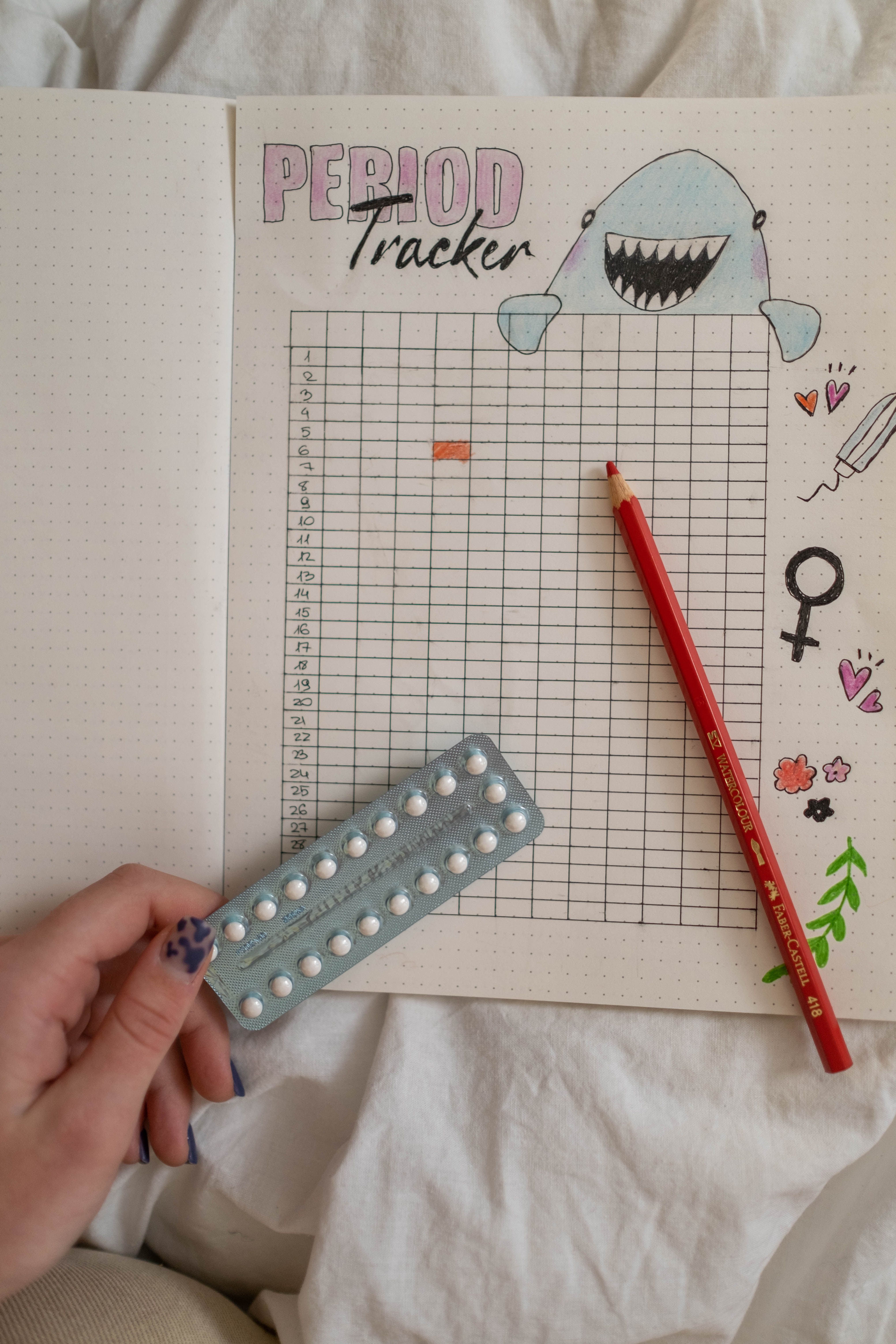
Eat balanced meals: Include a variety of nutritious foods and avoid extreme dietary restrictions.
Manage stress: Prioritize sleep, take breaks, and make time for activities that help you relax.
Avoid self-medication: Do not use hormonal tablets, herbal mixtures, or supplements to induce menstruation without professional advice.
Seek medical guidance: Persistent irregularity deserves investigation, even if you otherwise feel healthy.
These habits can support your health, but they cannot replace appropriate medical evaluation when an underlying condition is present.
Final Thoughts
Irregular periods are not always a sign of a serious health problem, but persistent changes should not be dismissed. Stress, hormonal fluctuations, thyroid conditions, PCOS, medications, and nutritional factors can all influence menstrual cycles.
The first step is understanding what is normal for your body and recognizing when something changes. Track your periods, pay attention to unusual symptoms, and seek professional advice when necessary.
Remember, menstrual health is an important part of overall well-being. Asking questions about your period is nothing to be embarrassed about. Understanding your body can help you make informed decisions and seek appropriate care when you need it.
References
-
NHS – Irregular Periods: https://www.nhs.uk/symptoms/irregular-periods/
-
ACOG – Amenorrhea (Absence of Periods): https://www.acog.org/womens-health/faqs/amenorrhea-absence-of-periods
-
MedlinePlus – Menstruation: https://medlineplus.gov/menstruation.html

You must be logged in to post a comment.