
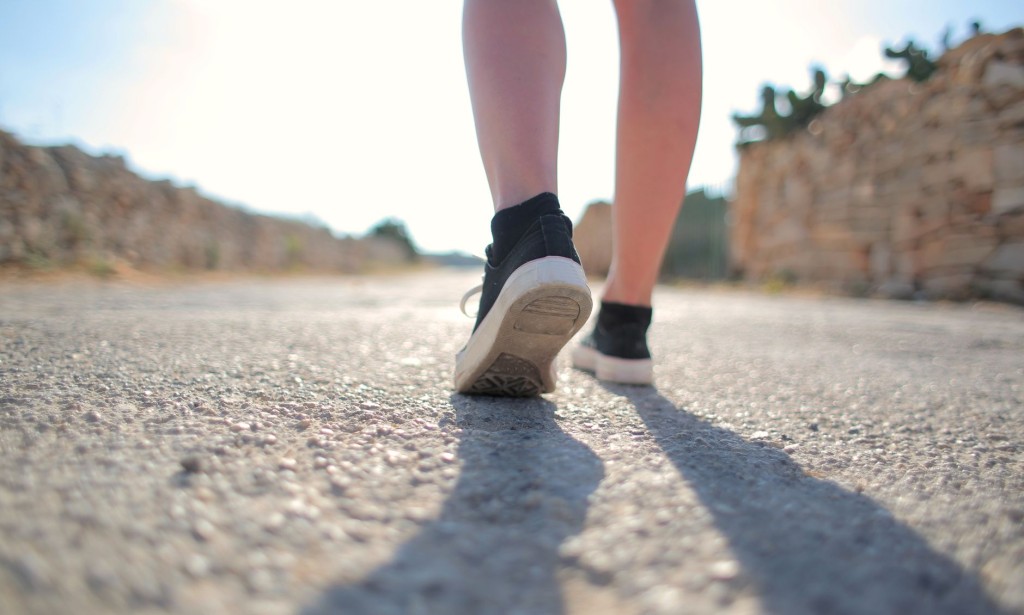
The Shocking Strength of Human Feet: They Can Carry Millions of Steps in a Lifetime

Introduction
Human feet are among the most remarkable yet underappreciated parts of the body. Every day, they carry us through countless activities—walking, running, standing, climbing stairs, and maintaining balance. Despite their relatively small size, our feet are incredibly strong and resilient. Over the course of a lifetime, the average person may take more than 100 million steps, and the feet manage this enormous workload without mechanical replacement or major structural redesign.
This astonishing durability raises an important question: How can such small structures withstand millions of steps, constant pressure, and the weight of the entire body for decades?
The answer lies in the complex anatomy, biomechanics, and adaptability of the human foot. Each foot contains dozens of bones, muscles, ligaments, and joints working together in perfect coordination. These structures form a natural engineering masterpiece designed to absorb shock, support body weight, and enable movement with efficiency.
In this article, we will explore the fascinating science behind the strength, endurance, and adaptability of human feet. We will also uncover surprising facts about how they function, how many steps we take in a lifetime, and how to keep our feet healthy for years to come.
The Incredible Structure of the Human Foot
A Complex Engineering Marvel
At first glance, the human foot may appear simple, but its internal structure is extremely complex. Each foot contains:
26 bones
33 joints
More than 100 muscles, tendons, and ligaments
Together, these components create a structure that is both flexible and strong, allowing the foot to handle a wide range of movements and pressures.
The Three Main Sections of the Foot
The human foot is divided into three primary sections:
1. The Forefoot
The forefoot includes:
The five toes
The metatarsal bones
This section plays a crucial role in balance and propulsion when walking or running.
2. The Midfoot
The midfoot forms the arch of the foot, which acts like a natural spring. This arch absorbs shock and distributes body weight evenly.
3. The Hindfoot
The hindfoot includes:
The heel bone (calcaneus)
The ankle joint
This section absorbs the initial impact when your foot touches the ground.
How Many Steps Does a Person Take in a Lifetime?
The Numbers May Surprise You
Most people walk far more than they realize.
Research suggests the average person takes:
3,000 – 4,000 steps per day (low activity)
7,000 – 10,000 steps per day (moderately active)
Over an average lifetime, this adds up to:
100 million to 150 million steps
Some highly active individuals may exceed 200 million steps in their lifetime.
Walking the Distance of the Earth
If all those steps were combined, many people would walk the equivalent of:
Over 75,000 miles
The same as walking around the Earth three times
This incredible statistic highlights the extraordinary endurance of human feet.
Why Human Feet Are So Strong
1. The Arch System Works Like a Shock Absorber
One of the main reasons our feet can endure millions of steps is the foot arch system.
The human foot contains three arches:

Medial arch (inner arch)
Lateral arch (outer arch)
Transverse arch (across the foot)
These arches act like natural springs that:
Absorb impact
Distribute body weight
Store energy while walking
When you take a step, the arch compresses slightly and then releases energy to help push your body forward.
2. Strong Ligaments Provide Stability
Ligaments are tough bands of tissue that connect bones together. The foot contains many powerful ligaments that help:
Maintain the shape of the arches
Prevent excessive movement
Stabilize the foot during walking
One of the most important ligaments is the plantar fascia, which runs along the bottom of the foot.
This structure supports the arch and absorbs large amounts of stress during movement.
3. Muscles Power Every Step
Although the foot appears small, it contains many intrinsic muscles that help control movement.
These muscles allow us to:
Adjust balance instantly
Adapt to uneven surfaces
Push off the ground while walking or running
Without these muscles, our movements would be unstable and inefficient.
The Role of Feet in Balance and Stability
The Body's Natural Stabilizer
The human foot serves as the foundation of the entire body. It constantly communicates with the brain through thousands of sensory nerves.
These signals allow the brain to determine:
Body position
Surface texture
Changes in balance
This process is known as proprioception, the body's awareness of movement and position.
Why This Matters
Because of these sensory signals, your feet help you:
Maintain posture
Adjust your weight distribution
Prevent falls
Even small adjustments in foot pressure can significantly affect balance and coordination.
How Feet Absorb Enormous Pressure
The Pressure of Each Step
Walking may seem gentle, but each step places a surprising amount of force on the feet.
When walking:
The foot absorbs 1.2 times body weight
When running:
The pressure can reach 2–3 times body weight
Despite this repeated stress, healthy feet continue functioning effectively for decades.
The Heel: A Natural Shock Pad
The heel contains a thick layer of fatty tissue that acts as a natural cushion. This pad:
Absorbs impact
Protects bones and joints
Reduces stress on the legs and spine
Without this natural cushioning system, walking would be much more painful and damaging.
Adaptability: How Feet Adjust to Different Surfaces
Human feet are incredibly adaptable. They automatically adjust to different environments such as:
Hard pavement
Sand
Grass
Rocky surfaces
Slippery floors
Micro Adjustments
Every step involves tiny muscle adjustments that keep the body balanced.
These adjustments happen so quickly that we rarely notice them.
This adaptability is one reason humans can move efficiently across many types of terrain.
Evolutionary Design of the Human Foot
How Evolution Shaped Our Feet
Human feet evolved over millions of years to support upright walking, a key feature that distinguishes humans from many other animals.
Early human ancestors gradually developed:
Strong arches
Aligned toes
A powerful heel bone
These changes made long-distance walking and running possible.
Why This Was Important
Walking efficiently helped early humans:

Travel long distances
Hunt animals
Gather food
Explore new environments
In many ways, human civilization was built on the strength of our feet.
Common Foot Problems Despite Their Strength
Even though feet are incredibly strong, they can still develop problems over time.
Plantar Fasciitis
One of the most common conditions affecting the foot.
Symptoms include:
Heel pain
Stiffness
Pain during first steps in the morning
It occurs when the plantar fascia becomes inflamed.
Flat Feet
Flat feet occur when the arch collapses, causing the foot to rest flat on the ground.
Possible effects include:
Foot fatigue
Knee pair
Poor posture
Bunions
A bunion is a bony bump at the base of the big toe. It often develops due to:
Tight shoes
Genetic factors
Abnormal foot mechanics
Amazing Facts About Human Feet
Here are some fascinating facts that highlight the incredible abilities of human feet:
The foot contains one-quarter of all bones in the human body.
The average person walks about 100,000 miles in a lifetime.
Your feet produce about half a pint of sweat per day.
Babies are born with soft cartilage instead of fully developed bones in their feet.
The foot has over 200,000 nerve endings, making it extremely sensitive.
These facts reveal how complex and powerful the foot truly is.
The Importance of Foot Health
Since our feet carry us through life, taking care of them is essential.
Ignoring foot health can lead to:
Chronic pain
Reduced mobility
Posture problems
Joint strain
Healthy feet contribute to overall body health and comfort.
Tips to Keep Your Feet Strong for Life
1. Wear Proper Footwear
Shoes should:
Provide good arch support
Fit comfortably
Allow toes to move freely
Avoid wearing tight or poorly designed shoes for long periods.
2. Maintain a Healthy Weight
Excess weight increases pressure on the feet, which can lead to:
Joint stress
Foot pain
Arch problems
Maintaining a healthy weight helps reduce strain on the feet.
3. Stretch Your Feet
Foot stretches help improve flexibility and reduce injury risk.
Simple exercises include:
Toe stretches
Calf stretches
Rolling a ball under the foot
4. Walk Regularly
Regular walking helps strengthen foot muscles and improve circulation.
Moderate daily walking keeps feet strong and resilient.
5. Keep Feet Clean and Dry
Good hygiene prevents infections such as:
Athlete’s foot
Fungal nail infections
Always dry your feet thoroughly after washing.
The Future of Foot Science
Scientists and doctors continue studying the human foot to better understand:
Injury prevention
Improved footwear design
Rehabilitation methods
Sports performance
Advances in biomechanics and medical imaging are helping experts learn even more about how feet function under pressure.
These discoveries may lead to better treatments for foot pain and improved mobility for people worldwide.
Conclusion
The human foot is one of the most extraordinary structures in the body. Despite its compact size, it performs an immense amount of work throughout our lives. From supporting body weight to absorbing shock and maintaining balance, the feet operate as powerful biological machines.
Over a lifetime, they can endure millions of steps and tens of thousands of miles, demonstrating remarkable strength and resilience. This durability comes from a sophisticated combination of bones, muscles, ligaments, arches, and sensory nerves working together in perfect harmony.
Yet, despite their incredible abilities, feet often receive little attention until problems arise. Taking care of them through proper footwear, exercise, and hygiene can help ensure they remain strong and healthy.
The next time you take a step, remember that your feet are performing an astonishing feat of engineering—one that quietly carries you through every moment of your life.








Comments 0
Sign in to join the conversation.
No comments yet. Be the first to say something.