

How to Balance Work, Family, and Personal Time for a Happier Life
Introduction
Modern life is becoming busier every day. People have many responsibilities related to work, family, education, and personal goals. Sometimes, managing all these activities becomes difficult, and people feel tired or stressed. A balanced lifestyle is important because it helps us enjoy life while taking care of our responsibilities.
Work is important for earning money and building a successful future. Family provides love, care, and emotional support. Personal time is equally important because everyone needs relaxation and entertainment. A healthy balance between these areas can improve happiness, confidence, and overall well-being.
The good news is that creating a balanced lifestyle does not require expensive things. Simple daily habits and better time management can make a positive difference.
1. Plan Your Daily Routine
Planning your daily routine is one of the easiest ways to manage your responsibilities. When you organize your activities, you can complete important tasks without unnecessary pressure.
Start your morning by preparing a simple list of things you need to do. Give priority to important tasks and divide larger activities into smaller steps.
You can use a notebook or mobile phone to organize your schedule. Include time for work, family, meals, exercise, and relaxation.
Avoid making an unrealistic timetable because too many activities can increase stress. Keep some free time for unexpected situations.
A well-planned routine helps you stay organized and use your time more effectively.
2. Spend Quality Time with Family
Family plays an important role in creating a happy life. Spending quality time with loved ones builds strong relationships and creates beautiful memories.
Busy schedules sometimes prevent people from giving enough attention to their families. However, even small activities can bring family members closer.
Try eating meals together, watching movies, playing games, or going for evening walks. Listen carefully when family members share their feelings and experiences.
Parents should also spend time with their children. Helping with homework, playing together, and discussing their interests can make children feel loved and supported.
Remember that quality time is more valuable than expensive gifts. Love, attention, and communication make family relationships stronger.
3. Maintain a Healthy Work-Life Balance
Work is necessary for personal growth and financial stability, but it should not control your entire life.
Many people continue thinking about office responsibilities even after returning home. This can increase stress and reduce the time available for family and personal activities.
Set clear working hours and try to complete important tasks on time. Avoid checking unnecessary work messages during family activities.
If you work from home, create a separate place for professional activities. This helps you focus during working hours and relax afterward.
Learning to manage professional responsibilities is an important step toward a peaceful and successful lifestyle.
4. Take Care of Your Physical Health
Good health makes everyday activities easier and more enjoyable. Taking care of your body should always be an important part of your daily routine.
Eat balanced meals that include vegetables, fruits, whole grains, and other nutritious foods. Drink enough water throughout the day and avoid eating too much unhealthy food.
Regular physical activity is also important. Walking, cycling, stretching, and simple home exercises can help you remain active.
Sleep is another essential part of a healthy lifestyle. Try to maintain regular sleeping hours and give your body enough rest.
You do not need to make major changes immediately. Start with small healthy habits and continue them regularly.
5. Make Time for Hobbies and Entertainment
Life should not be limited to work and responsibilities. Everyone needs activities that bring enjoyment and relaxation.
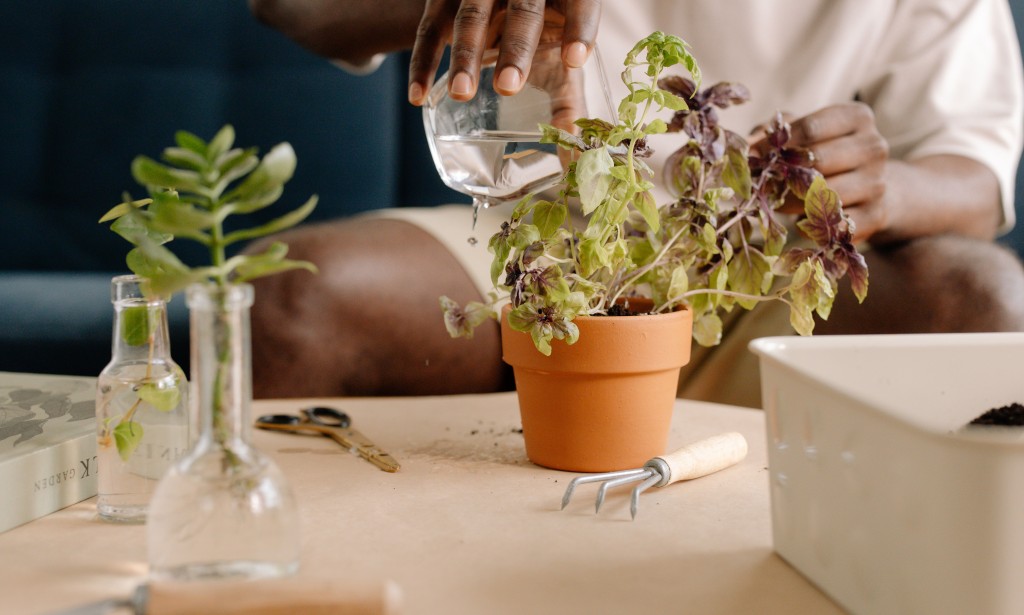
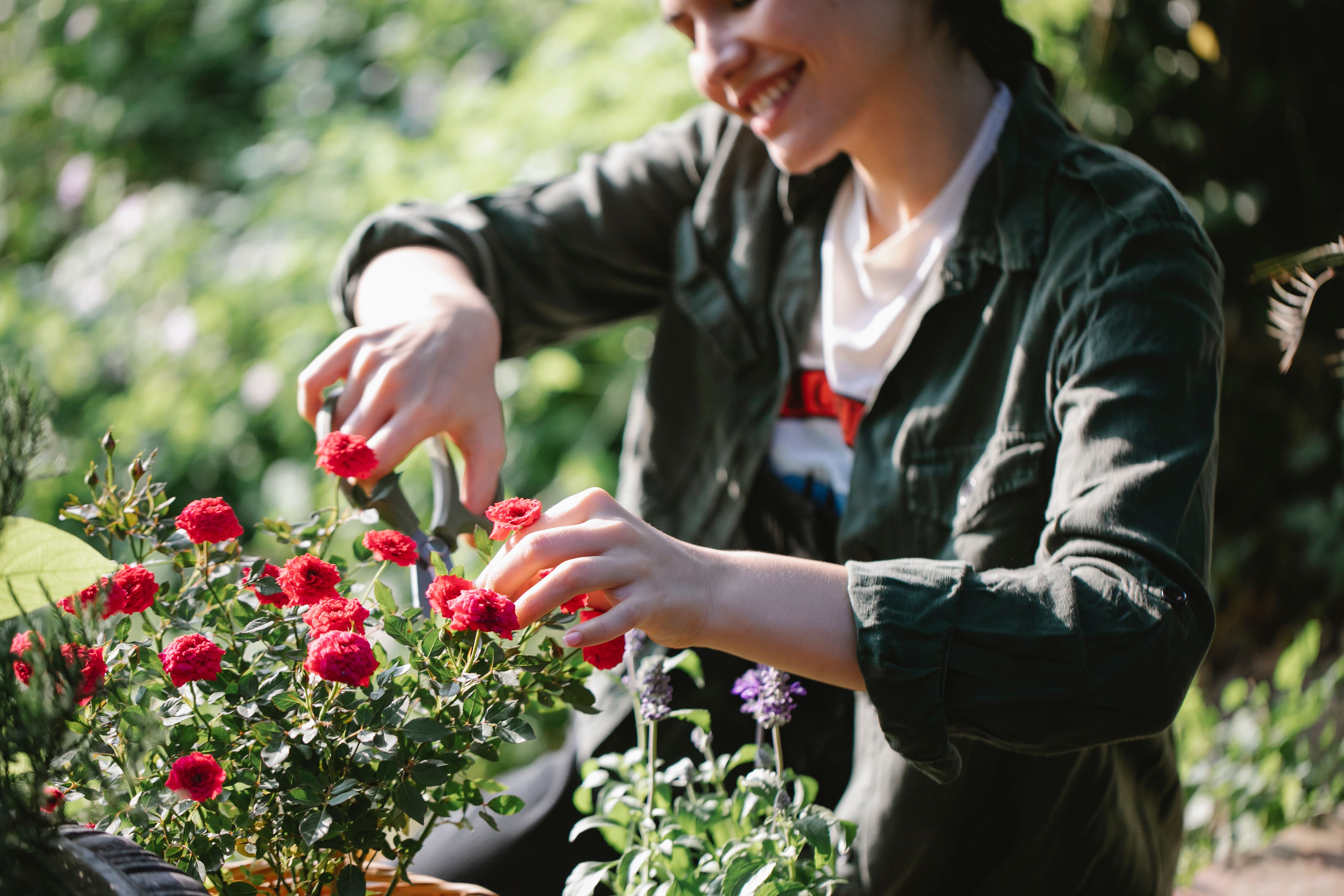
Hobbies are a wonderful way to use free time positively. Reading books, gardening, cooking, painting, photography, and listening to music are enjoyable activities.
You can also watch a favorite movie, explore new places, or learn a useful skill online.
These activities make everyday life more interesting and provide opportunities to discover new interests. Spending time on hobbies can also help people feel refreshed after a busy day.
6. Use Mobile Phones and Technology Wisely
Technology has become an important part of modern life. People use mobile phones for communication, education, shopping, entertainment, and work.
Although technology offers many benefits, excessive screen time can waste valuable hours and affect personal relationships.
Try to reduce unnecessary social media use. Avoid checking your phone repeatedly while eating, working, or spending time with family.
Use the internet for learning new skills, reading useful information, and communicating with loved ones.
A healthy balance between online and offline activities can make your daily routine more productive and enjoyable.
7. Manage Stress and Stay Positive
Stress can affect people when they have too many responsibilities. Learning to manage stress is important for maintaining emotional well-being.
First, avoid expecting perfection from yourself. Nobody can complete every task perfectly every day.
Take short breaks during busy hours. Deep breathing, walking, reading, and listening to peaceful music can help you relax.
Talking to trusted friends or family members can also provide emotional support. Sharing your thoughts may help you understand problems in a better way.
Try to appreciate small achievements and positive moments. A positive attitude can help you face everyday challenges with patience and confidence.
8. Enjoy Your Weekends
Weekends provide a good opportunity to relax and spend time with family and friends.
Instead of using all your free time for household responsibilities, plan enjoyable activities. You can visit a park, prepare a special meal, watch a movie, or enjoy a family gathering.
It is also helpful to prepare for the coming week by organizing important tasks and planning your schedule.
However, remember that weekends are also meant for rest. Give yourself enough time to relax and enjoy your personal interests.

9. Develop Positive Daily Habits
A balanced lifestyle develops through small and consistent actions. You do not need to change everything in one day.
Start by waking up at a regular time, planning your activities, eating healthy meals, and spending time with loved ones.
Try to avoid negative habits that waste your time and energy. Focus on activities that improve your health, relationships, and personal development.
Be patient with yourself because positive changes take time. Even small improvements can create meaningful results when practiced regularly.
Conclusion
Balancing work, family, and personal time is an important part of a happy and healthy life. Good planning, healthy habits, family communication, and relaxation can make everyday life more enjoyable.
Everyone has different responsibilities, so there is no perfect routine for everyone. The important thing is to understand your priorities and make time for what matters most.
Start with simple changes and remain consistent. Give attention to your work, enjoy meaningful moments with family, and remember to take care of yourself. A balanced lifestyle can help you become more organized, confident, productive, and happier.
Frequently Asked Questions (FAQs)
1. Why is work-life balance important?
Work-life balance helps people manage their responsibilities, reduce stress, improve family relationships, and enjoy their personal lives.
2. How can I manage my daily routine better?
Make a simple task list, set priorities, follow a realistic schedule, and take regular breaks.
3. How can I spend more quality time with my family?
Eat meals together, enjoy family activities, communicate regularly, and reduce unnecessary mobile phone use.
4. What are some easy ways to reduce daily stress?
Walking, reading, listening to peaceful music, getting enough sleep, and talking with trusted people can help manage everyday stress.
5. Can small daily habits improve lifestyle?
Yes. Small habits such as planning your day, eating balanced meals, exercising, and spending time with family can gradually improve your lifestyle.






Comments 0
Sign in to join the conversation.
No comments yet. Be the first to say something.