

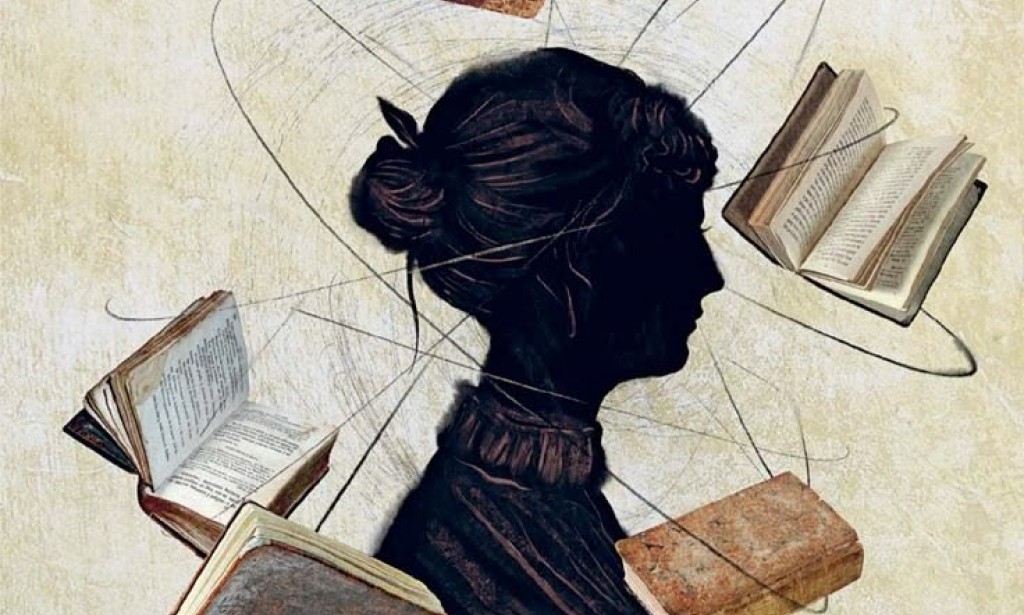
WRITERS , MOVEMENTS AND THE IDEAS THAT SHAPE THEM
Every era seems to have a moment when writers look at the work around them and decide it no longer says what needs to be said . Literary movements begin there. They are rarely tidy or planned , and they almost never begin with someone announcing a new school of thought . Usually a handful of restless people share a city , a set of frustrations , and a sense that the old way of writing has gone stale . The label comes later , often from critics , and often as an insult .
WHY MOVEMENTS HAPPEN
It's tempting to think of literary history as straight line , with each style improving on the last .It behaves more like a pendulum .One generation prizes reason and order , and the next rebels in favor of feeling and instinct . One era loves ornament , and the next demands plain speech . Writers are reacting to what came before as much as they are creating something new .
They are also reacting to the world . Wars , revolutions, technologies , and migrations change how people experience life , literature has to catch up .A novel written before the First World War simply couldn't carry the weight of what soldiers saw in the trenches . New circumstances demand new forms .
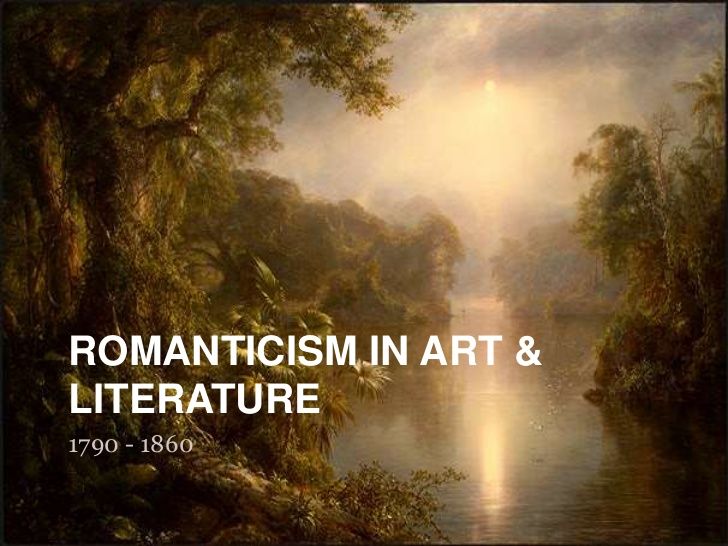
ROMANTICISM, THE REVOLT OF FEELING :
Consider Romanticism , which swept through Europe in the late eighteenth and early nineteenth centuries . The Enlightenment had spent decades insisting that reason could explain everything , and the Industrial Revolution was beginning to turn villages into factory towns . poets like Wordsworth , Coleridge , Byron , and Keats pushed back . They turned to nature , emotion , imagination , and the individual's inner life .
What make Romanticism feel so alive is its insistence that ordinary experience matters. Wordsworth wrote about shepherds and wandering clouds because he believed common people and common landscapes deserve d poetry as much as kings and gods did . That was a quiet kind of radicalism .Even today , when a writer treats a small , private moment as worthy of serious attention , they are working in a tradition Romanticism opened up.
REALISM AND THE PULL OF THE EVERYDAY
By the mid nineteenth century , many writers had grown wary of romantic excess, Realism arrived with a different ambition , to show life as it actually was . Think of Flaubert dissecting a bored marriage , Tolstoy tracing the web of a society , or Dickens exposing the grinding cruelty of poverty in London .
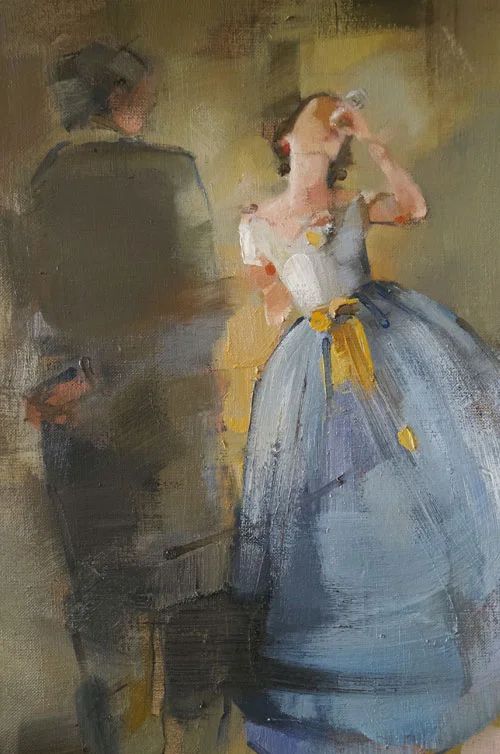
Realist writers paid attention to money , class work , and small compromises of daily life . Their characters weren't heroes or villains so much as people shaped by their circumstances . Reading these novels , you notice how much they trust detail. A description of a room or a meal or a coat does real work , telling you who a person is and what the world has done to them .
A cousin of Realism, Naturalism , pushed further .Writers like Zola and Dressier treated characters almost like subjects in an experiments, shaped by heredity and environment . It was a bleaker view , and it asked uncomfortable questions about how much freedom people really have .
MODERNALISM , BREAKING THE FORM
Then came early twentieth century , and with it the sense that old certainties had cracked .
Industrialization , psychology , and above all the First World War left writers feeling that traditional storytelling couldn't hold the fractured reality they live in Modernism responded by tearing up the rules , Virginia Woolf followed thoughts as they drifted , letting a single afternoon stretch across pages , James Joyce bent language until it nearby broke .T.S Eliot stitched fragments of many voices and traditions into The Waste Land , a poem that mirrors a culture in pieces , Readers were asked to work harder , to tolerate confusion , to piece meaning together themselves .
Thus was not difficulty for it's own sake. The modernist believed that experience isn't neat or chronological , and that fiction should reflects how minds actually work . stream of consciousness , shifting perspectives , and unreliable narrators all grew from that belief .
THE HARLEM RENAISSANCE AND VOICES CLAIMING SPACE
Not every movement is defined by a style . Some are defined by a community finding it's voice. In the 1920's and 30's the Harlem Renaissance gathered Black writers , musicians , and artist in a burst of creative energy .Langston Hughes drew on the rhythms of jazz ad the blues , Zora Neale Hurston preserved the speech and folklore of Black Southern life, and Claude McKay wrote with fierce clarity about dignity and resistance .
These writers weren't asking permission . They were insisting that Black life was a subject worthy of literature on it's own terms , rich in life beauty , humor , pain and complexity. The movement's influence stretched far beyond its decade , shaping later generations of writers and broader conversation about identity in America .
POSTMODERISM AND THE GAMES OF MEANING
After Second World War , a new skepticism took hold. Postmodern writers doubted grand narratives , stable truths ,and even the idea that a story can neatly represent reality ,Borges built labyrinths out of libraries and books that don't exist . Italo Calvino wrote a novel addressed to the reader. Thomas Pynchon and Kurt Vonnegut mixed absurdity with real anguish about history and power.
Post modern fiction often winks at its own artificiality. Narrators interrupt themselves, genres blur , and the line between fact and invention goes soft . Some readers find it exhausting , others find it exhilarating . Either way , it reflects a world saturated with media , information , and competing versions of the truth , which sounds a lot like our own .
MOVEMENTS BEYOND THE WESTERN CANON
It would be a mistake to tell this story as through literature only moves through Europe and North America . Latin American writers gave us magical realism , in which the miraculous sits comfortably beside the mundane .Gabriel Garcia Marquez could write about woman ascending to heaven while hanging laundry , and the tone stays matter of fact , For many readers this captured the texture of lives shaped by colonial history , political upheaval , and stubborn folk belief better than strict realism could.
Post colonial literature , meanwhile , gave voice to writers in Africa , South Asia , and the Caribbean , who reclaimed narratives that empire had told about them. Chinua Achebe's Things Fall Apart answered the colonial adventure story by telling it from the inside , with a society presented in full rather than as a backdrop. These widened the map of what literature could be and who got it to write it.
WHY IT ALL STILL MATTERS
Studying literary movements isn't about memorizing labels and dates . The labels are blurry anyway , and plenty of great writers refuse to fit any of them . What movements give us is context . They show that style is a choice made for reasons , and that every way of writing carries assumptions about what's true , what's important , and who deserves to be heard .
"TODAY'S WRITING STILL ECHOES THESE MOVEMENTS , SO KNOWING THEM GIVES YOU CONTEXT FOR WHAT YOU READ ".






Comments 0
Sign in to join the conversation.
No comments yet. Be the first to say something.