


Table of Contents
- Introduction to CRISPR Technology
- How CRISPR Works: The Science Behind Gene Editing
- Applications of CRISPR in Medicine
- CRISPR in Agriculture: Enhancing Crops and Livestock
- Ethical and Social Implications of CRISPR
- The Future of CRISPR: What Lies Ahead
1. Introduction to CRISPR Technology
CRISPR (Clustered Regularly Interspaced Short Palindromic Repeats) has revolutionized genetic engineering by providing an efficient, cost-effective, and highly accurate method for gene editing. Discovered as part of a bacterial immune system, CRISPR allows scientists to precisely modify DNA sequences, opening new doors in genetic research.
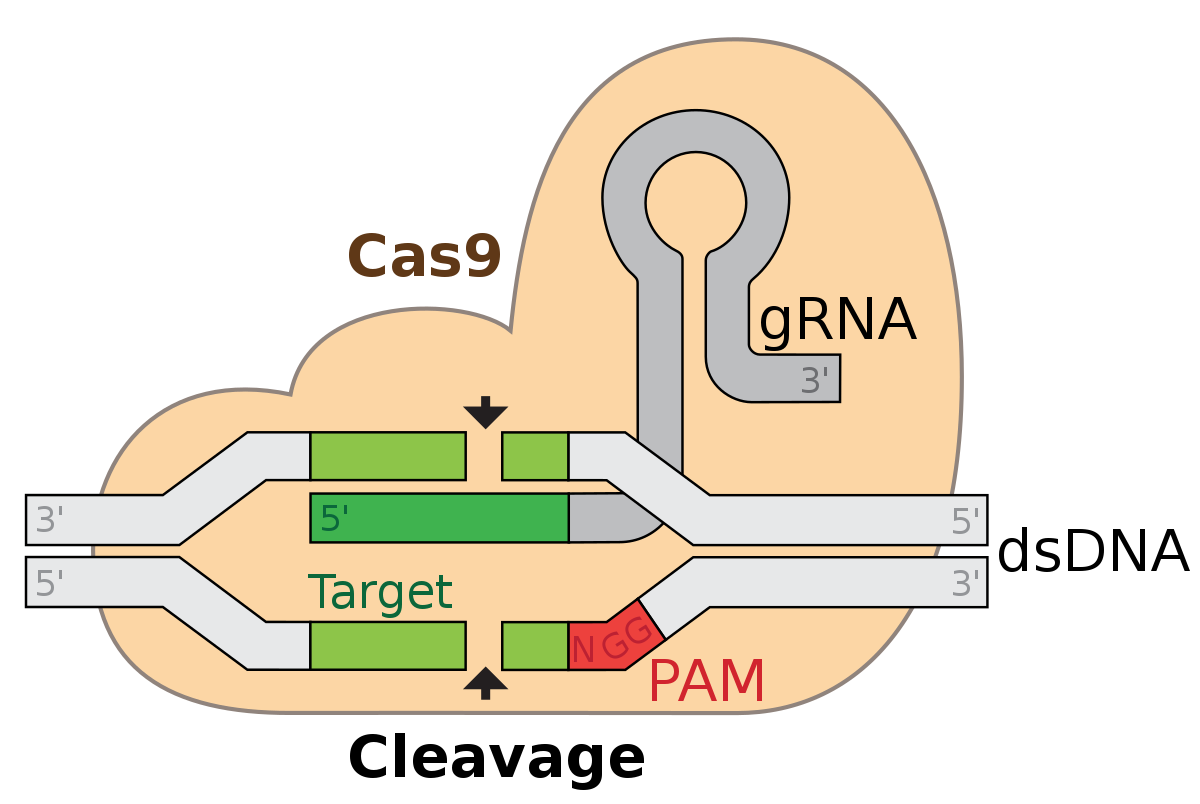
Before CRISPR, gene-editing methods were expensive, time-consuming, and less accurate. Techniques like zinc-finger nucleases (ZFNs) and TALENs required complex protein engineering, limiting their accessibility. CRISPR, however, is based on a simple mechanism using the Cas9 enzyme and a guide RNA, which directs the enzyme to the specific DNA sequence to be edited.
The implications of CRISPR are profound. From correcting genetic disorders to developing disease-resistant crops, CRISPR is reshaping multiple fields. It is also raising ethical debates about its potential misuse, particularly concerning human germline editing.
2. How CRISPR Works: The Science Behind Gene Editing
CRISPR technology is derived from a natural defense mechanism found in bacteria. When bacteria encounter viruses, they store snippets of viral DNA in their genomes, allowing them to recognize and defend against future attacks. Scientists have adapted this system to edit DNA with remarkable precision.
The CRISPR-Cas9 system operates through two main components:
- Guide RNA (gRNA): A synthetic RNA sequence designed to match a target DNA sequence.
- Cas9 Enzyme: A protein that acts as molecular scissors, cutting the DNA at the specified site.
Once Cas9 makes a cut, the cell’s natural repair mechanisms take over. Scientists can either disable a gene (knockout) or insert a new gene sequence (knock-in). This ability to modify genes with high specificity has accelerated genetic research across various domains.
Despite its advantages, CRISPR is not flawless. Off-target effects, where unintended genetic modifications occur, remain a concern. Researchers are continuously improving CRISPR accuracy through techniques like base editing and prime editing, which offer more refined control over genetic modifications.
3. Applications of CRISPR in Medicine
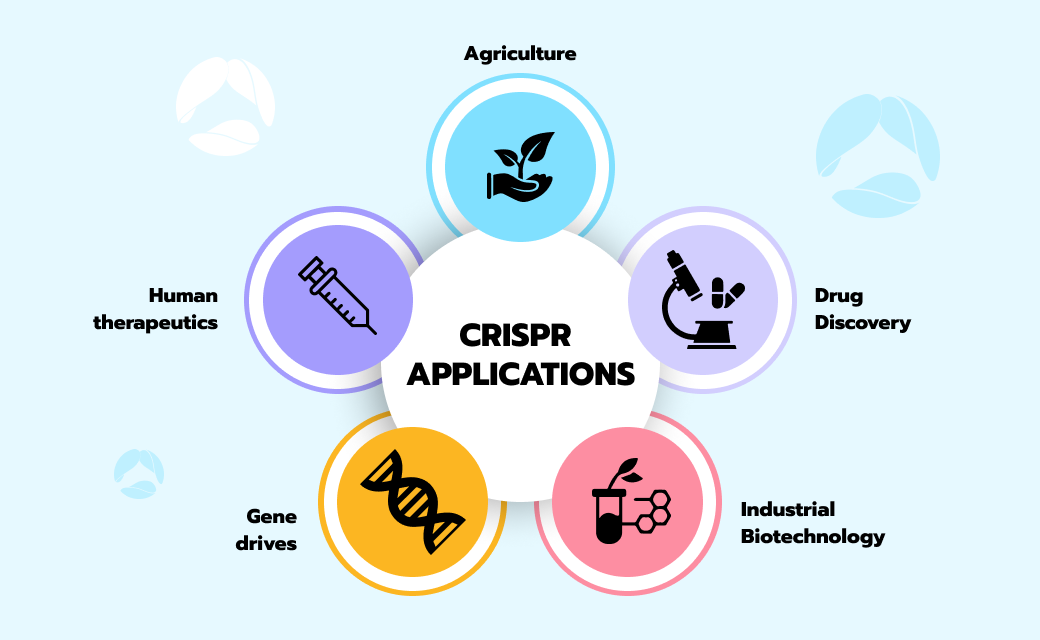
One of CRISPR’s most promising applications is in the medical field. Scientists are exploring its potential in treating genetic diseases, developing cancer therapies, and even tackling viral infections like HIV.
Gene Therapy
CRISPR can correct genetic mutations responsible for diseases such as:
- Sickle cell anemia
- Cystic fibrosis
- Muscular dystrophy
In clinical trials, scientists have successfully used CRISPR to treat blood disorders like beta-thalassemia and sickle cell disease by editing defective genes in stem cells before reintroducing them into patients.
Cancer Treatment
CRISPR is being explored to enhance immunotherapy by modifying T cells to better recognize and destroy cancer cells. Some experimental treatments involve editing immune cells to make them more effective against tumors.
Infectious Disease Control
Researchers are also investigating CRISPR’s ability to combat viral infections, including:
- Eliminating HIV by targeting viral DNA integrated into host cells.
- Engineering bacteria to fight antibiotic-resistant infections.
While these medical applications show immense promise, regulatory and ethical challenges must be addressed before CRISPR-based therapies become widespread.
4. CRISPR in Agriculture: Enhancing Crops and Livestock
Beyond medicine, CRISPR is revolutionizing agriculture by improving crop resilience, increasing yield, and reducing reliance on chemical pesticides. Unlike traditional genetically modified organisms (GMOs), CRISPR introduces precise genetic changes without incorporating foreign DNA, making it more acceptable in regulatory frameworks.
Crop Improvement
CRISPR is used to develop crops with desirable traits, such as:
- Drought and heat resistance: Enhancing crops’ ability to survive extreme weather conditions.
- Disease resistance: Modifying plants to resist common pathogens, reducing the need for pesticides.
- Nutritional enhancement: Increasing essential nutrients in staple foods, such as biofortified rice and wheat.
Livestock Genetic Engineering
CRISPR is also transforming animal breeding by:
- Producing disease-resistant livestock, such as pigs resistant to porcine reproductive and respiratory syndrome (PRRS).
- Enhancing meat quality by altering fat composition for healthier consumption.
- Increasing animal productivity without the use of hormones or antibiotics.
However, regulatory challenges remain, as genetically edited crops and animals must meet strict safety guidelines before reaching the market.
5. Ethical and Social Implications of CRISPR
The power of CRISPR raises important ethical questions. While its benefits are undeniable, concerns over its misuse, particularly in human genetic modification, have sparked debates worldwide.
Human Germline Editing
Editing human embryos using CRISPR is a highly controversial topic. Although it could eliminate inherited diseases, it also raises concerns about:
- Unintended genetic consequences
- Designer babies and genetic enhancement
- Socioeconomic inequality in access to genetic modifications
Environmental Concerns
The release of genetically edited organisms into ecosystems could have unpredictable effects. While CRISPR-based gene drives aim to control invasive species or disease vectors (e.g., malaria-carrying mosquitoes), unintended consequences remain a major concern.
Regulatory Challenges
Different countries have varying regulations regarding CRISPR applications. While some embrace genetic editing for research and therapeutic purposes, others have imposed strict limitations or outright bans on human germline editing.
6. The Future of CRISPR: What Lies Ahead
CRISPR is still in its early stages, but ongoing research is expanding its capabilities. Scientists are developing next-generation CRISPR tools with improved accuracy, such as:
- Base Editing: Alters single DNA bases without cutting the strand.
- Prime Editing: Enables more precise and complex genetic modifications.
Potential Breakthroughs
In the coming years, CRISPR could:
- Eradicate genetic diseases before birth.
- Enable personalized medicine tailored to an individual’s genetic makeup.
- Help combat climate change by engineering carbon-absorbing plants.
While challenges remain, CRISPR’s potential to transform medicine, agriculture, and biotechnology is undeniable. With responsible use and robust regulations, CRISPR may usher in a new era of genetic advancements.









Comments 0
Sign in to join the conversation.
No comments yet. Be the first to say something.