

2026 Is the Year Everything Changes: AI Workers, Global Conflict, Robot Assistants, and the Tech Revolution Reshaping Our Future
Introduction
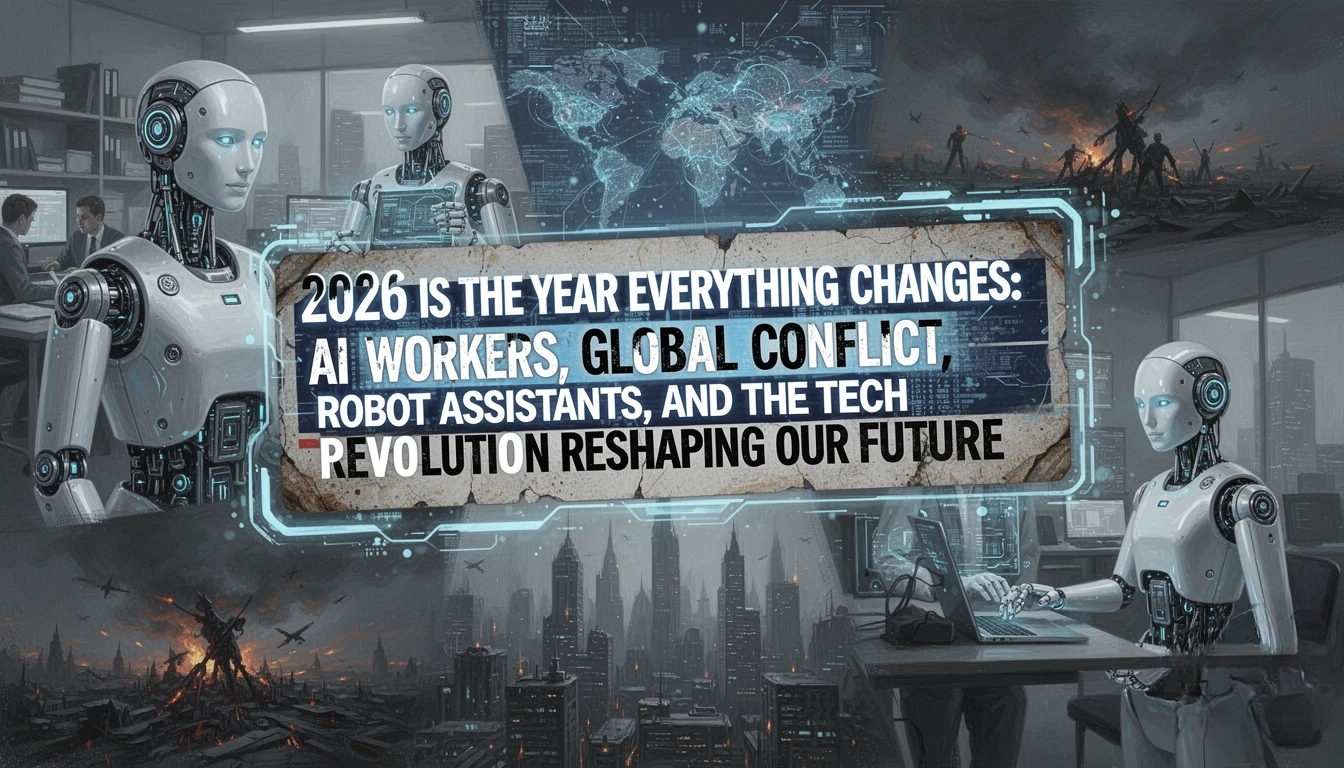
The year 2026 is shaping up to be one of the most transformative periods in modern history. Technological breakthroughs, geopolitical tensions, and rapid automation are colliding to create a world that looks dramatically different from just a few years ago.
Artificial intelligence is no longer limited to simple chatbots or recommendation systems. Today, AI-powered digital workers are performing complex tasks once reserved for humans. At the same time, robot assistants are entering homes, hospitals, factories, and offices. Meanwhile, global tensions and shifting alliances are reshaping political and economic systems.
Many experts now believe that 2026 could mark the beginning of a new technological era—one defined by intelligent machines, automation-driven economies, and unprecedented global challenges.
In this article, we explore:
Why 2026 is considered a turning point for humanity
How AI workers are transforming industries
The rise of robot assistants in everyday life
The impact of global conflicts and geopolitical shifts
The future of jobs, society, and technology
By the end, you will understand why so many analysts say the future isn’t coming—it’s already here.
The Turning Point: Why 2026 Is a Historic Year
For decades, futurists predicted a technological revolution powered by artificial intelligence, robotics, and automation. In many ways, those predictions are finally becoming reality.
Several major trends are converging at the same time:
Key Global Shifts Happening in 2026
Artificial intelligence evolving into autonomous digital workers
Companies replacing routine jobs with AI-powered systems
Robots entering homes, hospitals, and workplaces
Global conflicts accelerating defense technologies
New tech breakthroughs transforming transportation, communication, and energy
This convergence has created a moment that many experts describe as a “civilizational pivot point.”
Just as the Industrial Revolution changed human society in the 18th and 19th centuries, the AI revolution is reshaping the 21st century.
The Rise of AI Workers
From Chatbots to Autonomous Digital Employees
Only a few years ago, AI systems were mostly limited to answering questions or generating text. Today, the technology has evolved dramatically.
Modern AI systems can:
Write reports
Analyze data
Manage workflows
Design graphics
Build software
Provide customer support
Instead of simply assisting humans, these systems are becoming independent digital workers.
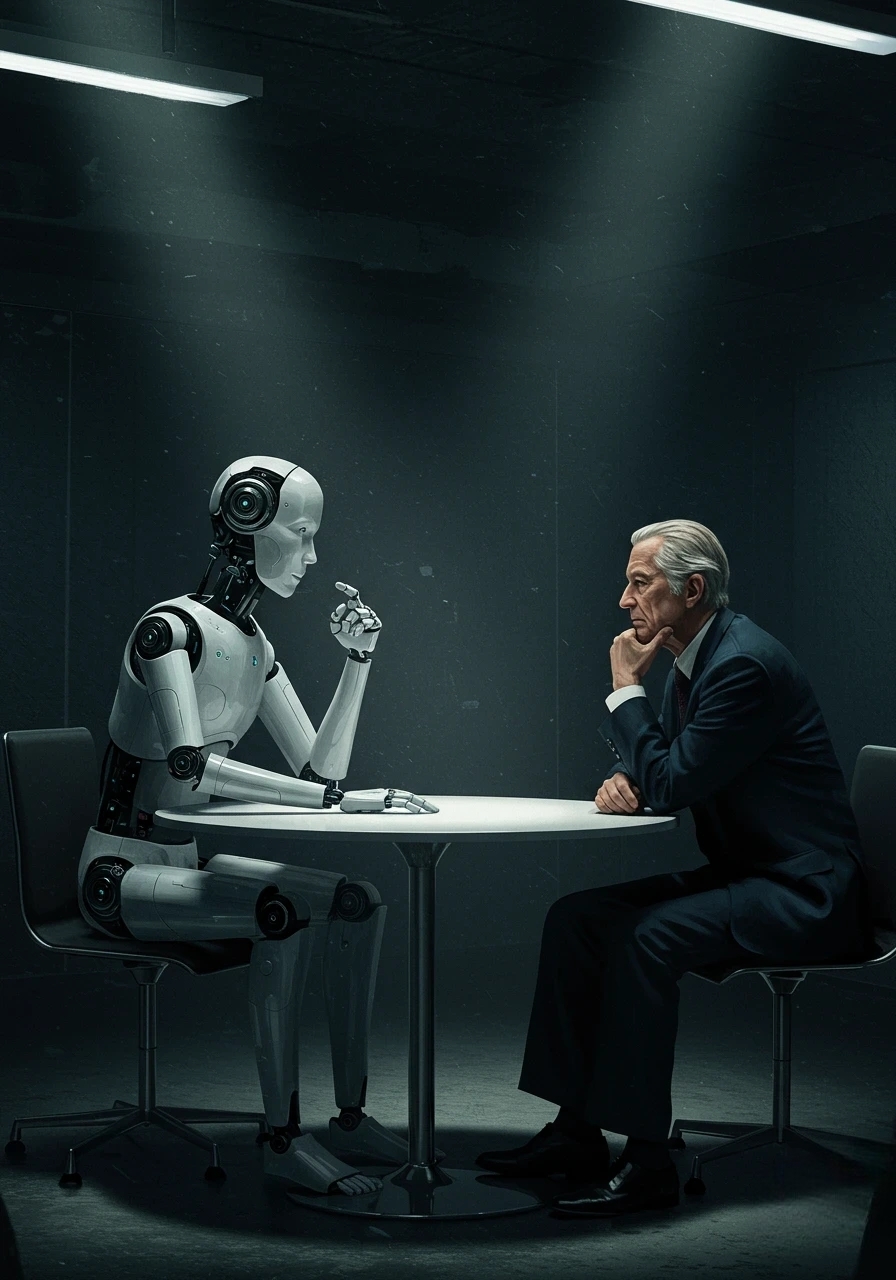
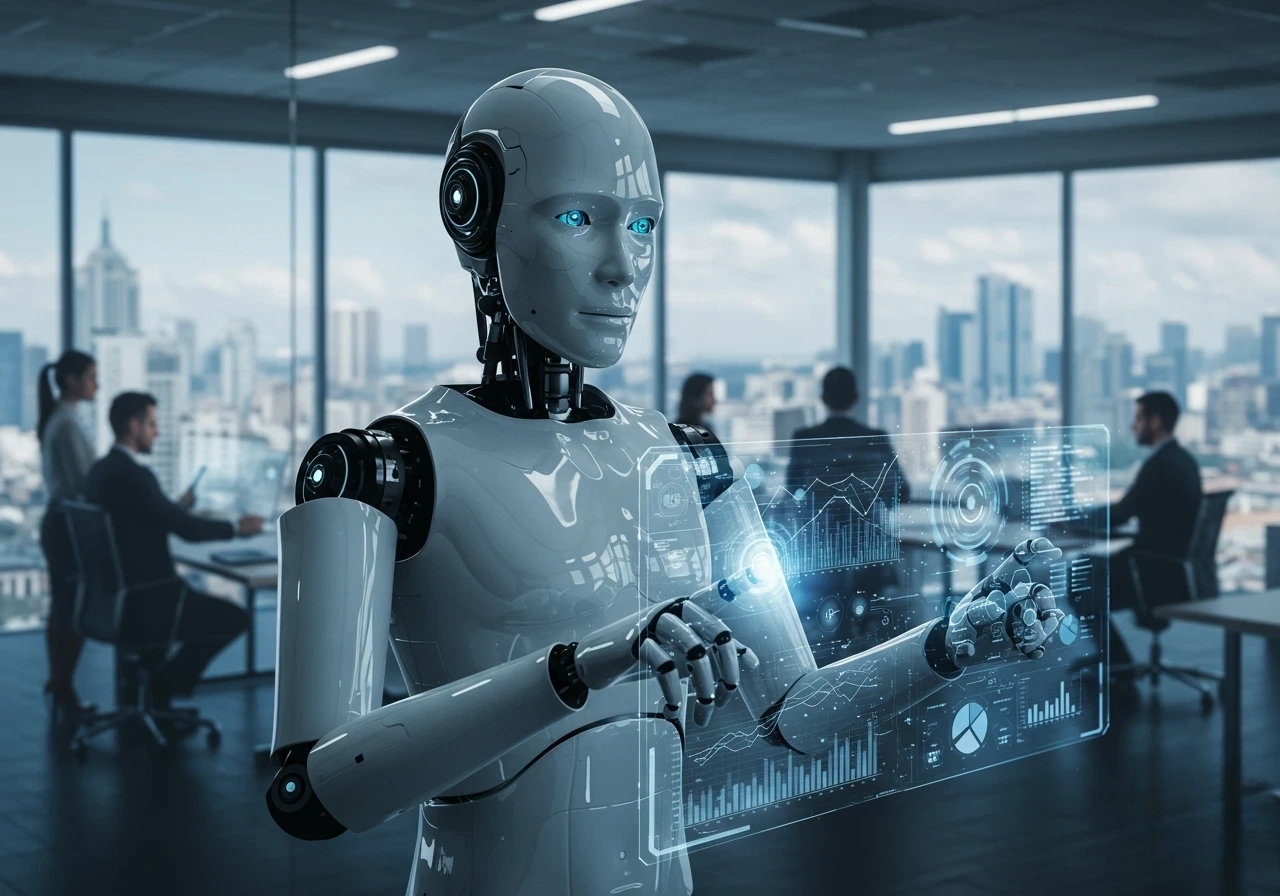
Companies across industries are now deploying AI agents that can complete tasks without constant human supervision.
Examples of AI Worker Capabilities
AI workers can now perform tasks such as:
Managing customer service tickets automatically
Scheduling meetings and organizing projects
Writing marketing content and emails
Coding applications and debugging software
Analyzing financial reports
In many organizations, these AI systems operate 24 hours a day without breaks, dramatically increasing productivity.
Businesses Are Rapidly Adopting AI Employees
Large corporations and startups alike are investing billions in AI technologies.
Why?
Because AI workers offer several advantages:
Benefits of AI Employees
Lower operating costs
Faster task completion
24/7 productivity
Reduced human error
Scalability
For example, a company that previously required a team of 20 customer service agents might now operate with a few human supervisors and dozens of AI assistants.
This shift is already transforming sectors such as:
Customer support
Marketing
Finance
Software development
Logistics
The Robot Assistant Revolution
Robots Are Entering Everyday Life
Robots were once confined to factories and research labs. In 2026, they are increasingly becoming part of everyday life.
New advances in robotics and AI integration are enabling machines to perform complex real-world tasks.
These robots can:
Recognize objects
Navigate environments
Interact with humans
Perform physical tasks
As a result, robot assistants are rapidly spreading into new environments.
Where Robot Assistants Are Being Used
Robot assistants are now appearing in many industries.
Healthcare
In hospitals, robots are helping doctors and nurses by:
Delivering medication
Assisting in surgeries
Monitoring patients
Sanitizing hospital rooms
Homes
Home robots are beginning to handle tasks such as:
Cleaning
Security monitoring
Elderly care
Personal assistance
Warehouses and Logistics
Robots are transforming supply chains by:
Sorting packages
Moving inventory
Managing warehouse operations
Retail
Some stores are deploying robots to:
Track inventory
Guide customers
Manage shelves
This rapid expansion suggests that robots could soon become as common as smartphones.
Global Conflict and the Technology Arms Race
How Geopolitical Tensions Are Driving Innovation
Technological revolutions rarely happen in isolation. Throughout history, major breakthroughs have often been accelerated by geopolitical competition.
In 2026, rising tensions between global powers are fueling a technology arms race.
Governments are investing heavily in:
Artificial intelligence
Cybersecurity
Autonomous weapons
Space technologies
Quantum computing
This competition is pushing technological development at an unprecedented pace.
The Rise of AI-Powered Defense Systems
Modern militaries are increasingly relying on artificial intelligence to gain strategic advantages.
AI-powered systems are being used for:
Battlefield analysis
Intelligence gathering
Drone coordination
Cyber defense
Autonomous surveillance
While these technologies may enhance national security, they also raise serious ethical and geopolitical concerns.
Experts warn that AI-driven warfare could fundamentally change global security dynamics.
The Automation Shock: What Happens to Jobs?
The Biggest Fear of the AI Era
Perhaps the most controversial issue surrounding the AI revolution is job displacement.
Automation has always replaced certain jobs while creating new ones. However, the scale and speed of AI automation could be unprecedented.
Many roles that were once considered safe are now vulnerable to automation.
Jobs Most Likely to Be Disrupted
Data entry clerks
Customer service agents
Basic content writers
Administrative assistants
Bookkeeping roles
Even highly skilled professions may face disruption as AI becomes more capable.
New Jobs Created by the AI Economy
Despite fears about automation, technological revolutions historically create new industries and opportunities.
The AI economy is already generating new roles such as:
AI trainers
Prompt engineers
Automation consultants
Robotics technicians
AI ethicists
In addition, many jobs will evolve rather than disappear entirely.
Humans may increasingly focus on tasks requiring:
Creativity
Emotional intelligence
Strategic thinking
Complex decision-making
The Rise of Smart Cities and Connected Infrastructure
Technology Is Transforming Urban Life
Cities around the world are becoming smarter and more connected thanks to digital technologies.
Smart city systems use sensors, data analytics, and AI to improve urban living.
Examples include:
Intelligent traffic management
Smart energy grids
Automated public transportation
Predictive maintenance systems
These innovations aim to make cities more efficient, sustainable, and livable.
The Role of AI in Smart Infrastructure
Artificial intelligence is the brain behind many smart city technologies.
AI systems can analyze massive amounts of data from sensors across urban environments.
This allows cities to:
Reduce traffic congestion
Optimize energy usage
Improve emergency response
Enhance public safety
The result is a more responsive and adaptive urban ecosystem.
The Tech Revolution in Healthcare
AI Is Transforming Medicine
Healthcare is one of the industries most profoundly affected by AI.
Advanced algorithms are helping doctors diagnose diseases faster and more accurately than ever before.
AI-powered systems can analyze:
Medical scans
Genetic data
Patient histories
Clinical research
This enables earlier detection of diseases such as cancer and heart conditions.
Personalized Medicine and Predictive Healthcare
AI is also enabling a new era of personalized healthcare.
Instead of one-size-fits-all treatments, doctors can now develop therapies tailored to individual patients.
Benefits include:
More effective treatments
Reduced side effects
Early disease prevention
Improved patient outcomes
This shift could dramatically extend life expectancy in the coming decades.
The Economic Transformation of the AI Era
The Emergence of the Automation Economy
Automation is reshaping global economies.
Businesses that adopt AI and robotics can operate with significantly lower costs and higher efficiency.
As a result, companies are racing to integrate these technologies.
This transformation is creating a new economic model often described as the automation economy.
Winners and Losers in the Tech Revolution
Not every country or company will benefit equally from the AI revolution.
Nations investing heavily in technology infrastructure are likely to gain significant advantages.
Countries leading in AI development may dominate future industries such as:
Autonomous transportation
Robotics manufacturing
Quantum computing
Space exploration
Meanwhile, countries that fail to adapt could face economic stagnation.
Ethical Challenges of the AI Age
The Big Questions Society Must Answer
As AI becomes more powerful, society must confront difficult ethical questions.
Some of the most important issues include:
Who is responsible when AI makes mistakes?
How do we protect privacy in an AI-driven world?
Should autonomous weapons be banned?
How do we prevent AI from spreading misinformation?
These questions will shape the future of technology governance.
The Importance of Responsible AI Development
Experts argue that responsible AI development is essential.
This includes:
Transparency in AI systems
Ethical guidelines for developers
Government regulations
International cooperation
Without proper oversight, the benefits of AI could be overshadowed by unintended consequences.
The Future of Human–Machine Collaboration
Humans and AI Working Together
Despite fears about automation, the future may not be a competition between humans and machines.
Instead, it may be a collaboration.
AI excels at:
Data processing
Pattern recognition
Repetitive tasks
Humans excel at:
Creativity
Empathy
Complex judgment
Ethical decision-making
By combining these strengths, humans and AI can achieve outcomes that neither could accomplish alone.
What the World Could Look Like by 2030
If current trends continue, the world of 2030 could look dramatically different.
Possible developments include:
Fully autonomous transportation networks
Widespread use of household robots
AI-powered healthcare systems
Automated manufacturing facilities
Smart cities powered by real-time data
These innovations could transform everyday life in ways that once seemed like science fiction.
Conclusion
The year 2026 may ultimately be remembered as the moment when the future truly arrived.
Artificial intelligence is evolving into autonomous digital workers. Robots are stepping out of factories and into homes. Global competition is accelerating technological breakthroughs at a staggering pace.
At the same time, societies must grapple with profound questions about jobs, ethics, security, and the role of technology in human life.
The coming decade will likely determine how humanity navigates this transformation.
One thing is certain: the world is changing faster than ever before.
Whether this new era leads to unprecedented prosperity or new global challenges will depend on the choices we make today.
The tech revolution of 2026 is not just about machines—it is about the future of human civilization itself.

You must be logged in to post a comment.