


Table of Contents
- Introduction: The Role of AI in Science
- AI in Drug Discovery and Medical Research
- AI in Climate Science and Environmental Research
- AI in Physics and Space Exploration
- AI in Genetics and Biotechnology
- Challenges and Ethical Considerations
- The Future of AI in Scientific Research
1. Introduction: The Role of AI in Science
Artificial Intelligence (AI) is transforming the landscape of scientific research, enabling discoveries at an unprecedented speed. Traditional research methods rely on manual data collection, hypothesis testing, and experimentation, which can take years or even decades. AI, with its ability to analyze vast datasets, recognize patterns, and automate processes, is significantly accelerating this process.
Machine learning (ML) algorithms can process billions of data points in seconds, helping researchers extract meaningful insights and refine their hypotheses. AI-powered simulations allow scientists to test thousands of scenarios in virtual environments, reducing the need for costly and time-consuming physical experiments. This shift is not only increasing efficiency but also opening new frontiers in scientific exploration that were previously unimaginable.
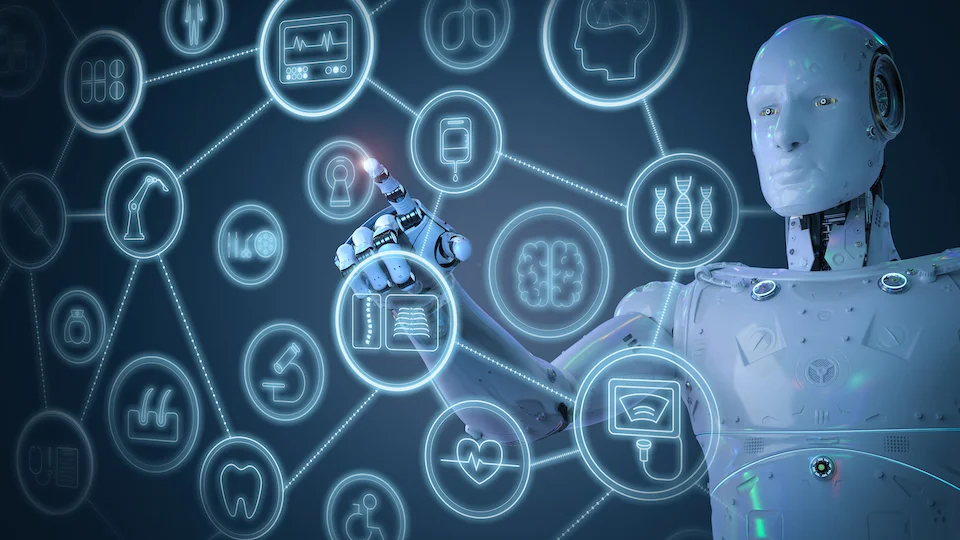
2. AI in Drug Discovery and Medical Research
One of the most significant impacts of AI is in the field of medicine and drug discovery. The pharmaceutical industry traditionally relies on labor-intensive processes, but AI is streamlining these efforts by:
1. Identifying Potential Drug Compounds
AI algorithms can analyze vast chemical databases and predict which compounds are most likely to be effective against specific diseases. This reduces the time and cost of drug development significantly.
2. Personalized Medicine
Machine learning models analyze patient data, including genetic information, to tailor treatments to an individual’s unique biological makeup. This approach improves treatment outcomes and minimizes side effects.
3. Predicting Disease Progression
AI-powered models help doctors predict the course of diseases such as cancer, Alzheimer’s, and heart disease, allowing for earlier intervention and better patient care.
During the COVID-19 pandemic, AI played a crucial role in vaccine development, identifying promising molecular structures in record time. Companies like DeepMind and Moderna used AI to model viral proteins, helping accelerate the creation of vaccines and treatments.
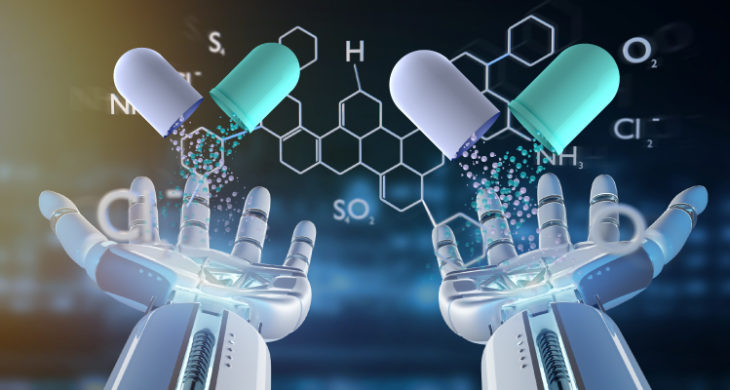
3. AI in Climate Science and Environmental Research
Climate change is one of the most pressing challenges of our time, and AI is proving to be an essential tool in understanding and mitigating its effects. AI-driven models are being used to:
1. Improve Weather Forecasting
Traditional weather models rely on vast amounts of data, but AI can process this information more efficiently, providing more accurate short- and long-term forecasts. This helps communities prepare for extreme weather events.
2. Monitor Deforestation and Biodiversity
Satellite imagery, combined with AI, is used to track deforestation, wildlife populations, and illegal activities like poaching. Organizations like Google’s Earth Engine use AI to detect environmental changes in real time.
3. Optimize Renewable Energy Use
AI helps maximize the efficiency of solar panels, wind farms, and energy grids by predicting energy consumption patterns and adjusting supply accordingly.
By integrating AI into climate science, researchers are gaining a deeper understanding of environmental changes and developing more effective strategies to combat climate change.
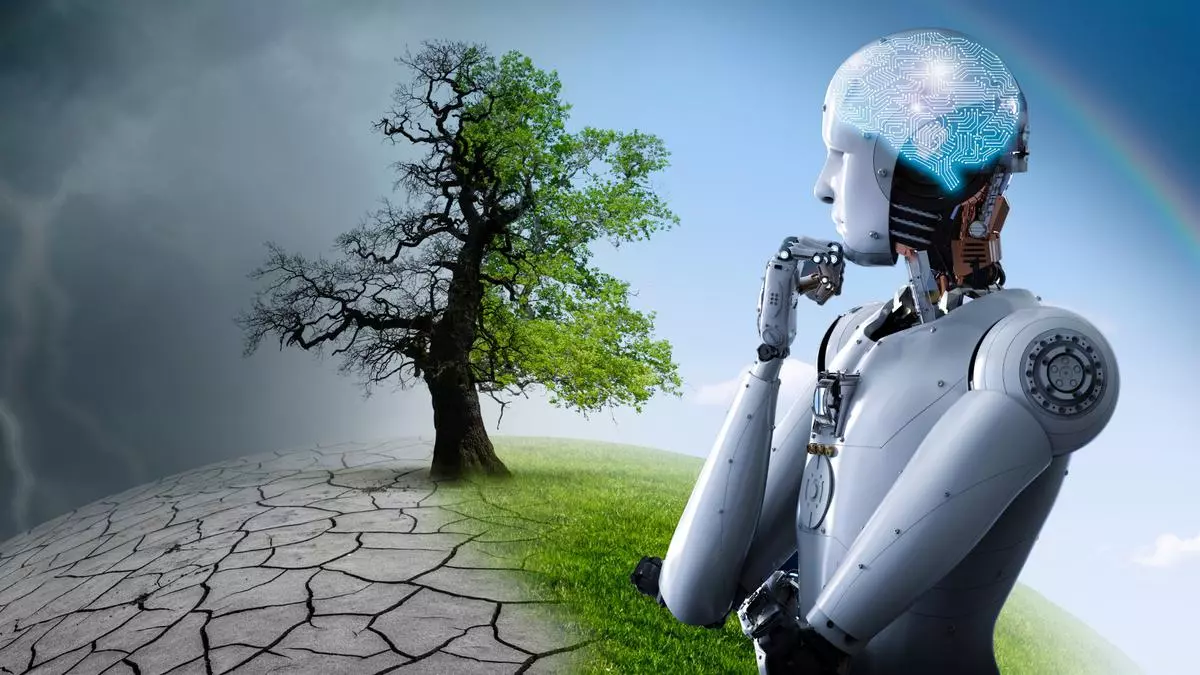
4. AI in Physics and Space Exploration
AI is playing a transformative role in physics, astrophysics, and space exploration, helping scientists tackle some of the most complex challenges in the universe.
1. Analyzing Astronomical Data
Astronomers use AI to sift through enormous datasets from telescopes, identifying exoplanets, distant galaxies, and cosmic phenomena like black holes and neutron stars. AI-powered tools have already helped NASA discover new exoplanets using data from the Kepler Space Telescope.
2. Assisting in Space Missions
AI-powered robots and autonomous spacecraft are revolutionizing space exploration. The Perseverance Rover on Mars uses AI for autonomous navigation, while future missions aim to deploy AI-powered landers and rovers on distant planets and moons.
3. Understanding Quantum Physics
AI is also being used to simulate quantum systems, a task that traditional computing struggles with due to the complexity of quantum mechanics. This is paving the way for advancements in quantum computing and fundamental physics research.
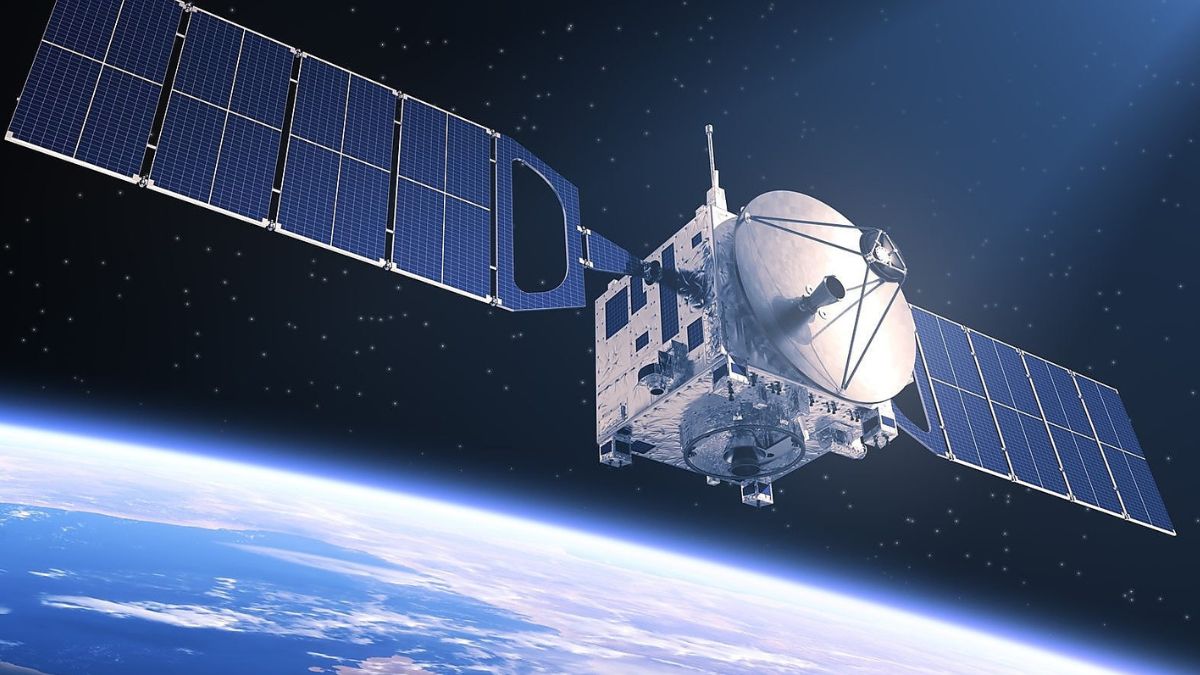
5. AI in Genetics and Biotechnology
The field of genetics and biotechnology is experiencing groundbreaking advancements thanks to AI. AI-driven models are being used to:
1. Decode the Human Genome
AI algorithms are helping researchers analyze genetic data to identify links between genes and diseases. Projects like DeepMind’s AlphaFold have revolutionized protein folding research, solving a problem that has baffled scientists for decades.
2. Gene Editing with CRISPR
AI is improving the precision of CRISPR gene-editing technology, allowing scientists to modify genes with fewer errors and greater efficiency. This has profound implications for treating genetic disorders such as sickle cell disease and cystic fibrosis.
3. Synthetic Biology and Bioengineering
AI is assisting in the design of synthetic biological systems, from engineered bacteria that can break down pollutants to lab-grown tissues for medical treatments.
The combination of AI and genetics is leading us toward a future where personalized medicine, disease prevention, and even genetic enhancements become a reality.

6. Challenges and Ethical Considerations
Despite its transformative potential, AI in scientific research raises several ethical and practical concerns:
1. Data Bias and Inaccuracy
AI models are only as good as the data they are trained on. Biased or incomplete datasets can lead to incorrect conclusions, affecting research outcomes.
2. Ethical Concerns in Medicine
AI-driven decision-making in healthcare raises questions about patient privacy, accountability, and bias in treatment recommendations. Regulations are needed to ensure ethical AI use in medicine.
3. Dependence on AI
While AI accelerates research, over-reliance on AI-generated results without human validation could lead to scientific errors. Researchers must maintain a balance between automation and human expertise.
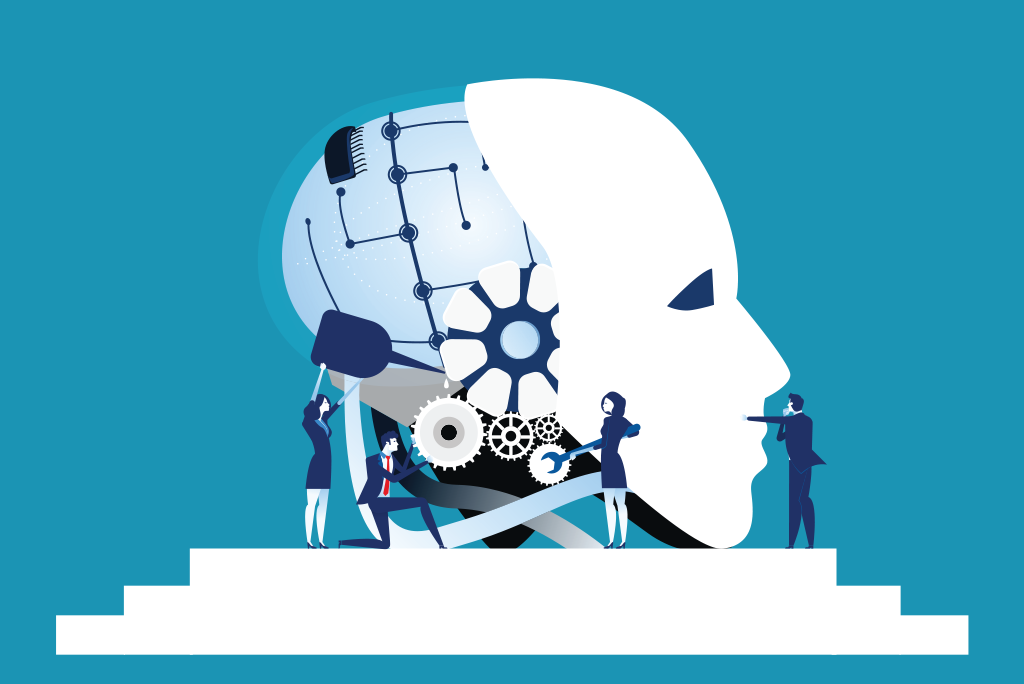
7. The Future of AI in Scientific Research
The future of AI in scientific discovery is promising, with ongoing advancements expected to:
- Improve AI models for real-time scientific simulations.
- Develop more explainable AI algorithms that provide clear reasoning for their conclusions.
- Enhance human-AI collaboration, ensuring that AI remains a tool for researchers rather than replacing them.
- Enable breakthroughs in fields such as nanotechnology, neuroscience, and artificial life research.
AI is not just an assistant in scientific research—it is becoming a driving force behind discoveries that could change our understanding of the world and beyond. With responsible development, AI will continue to push the boundaries of human knowledge, unlocking new possibilities for science and innovation.










Comments 0
Sign in to join the conversation.
No comments yet. Be the first to say something.