


Holistic Approaches to Mental Well-Being: Integrating Mind, Body, and Lifestyle for Optimal Health
Mental well-being is a multifaceted aspect of human health, intricately connected to both physical and emotional states. While traditional approaches to mental health often focus solely on psychological interventions or medication, a holistic approach emphasizes the interconnectedness of mind, body, and lifestyle. By integrating practices that nurture each of these areas, individuals can achieve a balanced and resilient mental state.
In this article, we will explore the holistic approaches that promote mental well-being, focusing on the importance of nourishing the mind, body, and lifestyle. By embracing a comprehensive view of health, individuals can foster resilience, enhance emotional regulation, and cultivate a sense of peace and balance.

1. Mind: Cultivating Emotional and Mental Balance
The mind plays a pivotal role in overall mental health. How we think, process emotions, and cope with stress all affect our mental well-being. A holistic approach to mental health encourages practices that help individuals manage thoughts, regulate emotions, and build a strong mental foundation.
Mindfulness and Meditation
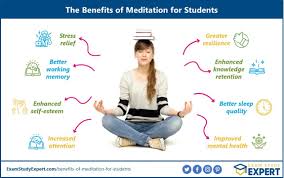
Mindfulness is the practice of being fully present in the moment, without judgment. It allows individuals to observe their thoughts and feelings without becoming overwhelmed or reactive. Regular mindfulness practice has been shown to reduce stress, improve emotional regulation, and increase self-awareness. Meditation, a form of mindfulness, can help clear the mind, improve focus, and promote relaxation.
Some of the key benefits of mindfulness and meditation include:
- Reduced Stress: Mindfulness encourages individuals to focus on the present moment, breaking t
- Holistic Approaches to Mental Well-Being: Integrating Mind, Body, and Lifestyle for Optimal Health
- Mental well-being is a multifaceted aspect of human health, intricately connected to both physical and emotional states. While traditional approaches to mental health often focus solely on psychological interventions or medication, a holistic approach emphasizes the interconnectedness of mind, body, and lifestyle. By integrating practices that nurture each of these areas, individuals can achieve a balanced and resilient mental state.

- In this article, we will explore the holistic approaches that promote mental well-being, focusing on the importance of nourishing the mind, body, and lifestyle. By embracing a comprehensive view of health, individuals can foster resilience, enhance emotional regulation, and cultivate a sense of peace and balance.
- 1. Mind: Cultivating Emotional and Mental Balance
- The mind plays a pivotal role in overall mental health. How we think, process emotions, and cope with stress all affect our mental well-being. A holistic approach to mental health encourages practices that help individuals manage thoughts, regulate emotions, and build a strong mental foundation.
-
Mindfulness and Meditation
- Mindfulness is the practice of being fully present in the moment, without judgment. It allows individuals to observe their thoughts and feelings without becoming overwhelmed or reactive. Regular mindfulness practice has been shown to reduce stress, improve emotional regulation, and increase self-awareness. Meditation, a form of mindfulness, can help clear the mind, improve focus, and promote relaxation

-
Some of the key benefits of mindfulness and meditation include:
- Reduced Stress: Mindfulness encourages individuals to focus on the present moment, breaking the cycle of rumination and worry, which often leads to stress.
- Enhanced Emotional Regulation: By observing thoughts and feelings without judgment, individuals can respond to emotions in a more measured and healthy way.
- Improved Focus and Clarity: Meditation helps increase concentration and mental clarity, making it easier to manage day-to-day tasks and navigate challenges.
- Practicing mindfulness and meditation regularly can improve overall mental well-being, helping individuals develop a stronger sense of calm and resilience.
- Cognitive Behavioral Therapy (CBT)
- Cognitive Behavioral Therapy (CBT) is another integral part of holistic mental well-being. CBT helps individuals identify and change negative thought patterns that contribute to mental health issues like anxiety, depression, and stress. By challenging unhelpful thoughts and replacing them with more positive and constructive ones, CBT empowers individuals to shift their mindset and break free from harmful cognitive patterns.
- CBT is effective in treating a variety of mental health conditions, including:
- Depression: By recognizing negative thought loops, individuals can develop healthier ways of thinking, which can reduce feelings of hopelessness and sadness.
- Anxiety: CBT helps individuals challenge excessive worry and develop more balanced perspectives on anxiety-inducing situations.
- Stress Management: CBT teaches coping strategies for dealing with stress, enabling individuals to handle challenges in a healthier manner.
- 2. Body: The Connection Between Physical Health and Mental Wellness
- Physical health is closely intertwined with mental well-being. A healthy body supports a healthy mind, and vice versa. Regular physical activity, good nutrition, and proper sleep are essential for maintaining mental balance. By taking care of the body, individuals can reduce the risk of mental health issues and enhance overall well-being.
-
Physical Activity and Exercise
- Exercise is a cornerstone of mental health. Physical activity has been proven to improve mood, reduce stress, and enhance cognitive function. Regular exercise promotes the release of endorphins, the body’s natural mood boosters, which help improve feelings of well-being.
- Some of the mental health benefits of physical activity include:
- Reduced Symptoms of Depression: Regular exercise has been shown to alleviate symptoms of depression by stimulating the production of neurotransmitters like serotonin and dopamine, which regulate mood.
- Reduced Anxiety: Physical activity can help reduce the intensity of anxiety by lowering stress hormones like cortisol and promoting relaxation.
- Improved Cognitive Function: Exercise has been linked to improved memory, focus, and mental clarity, helping individuals stay mentally sharp and emotionally balanced.
- The recommended amount of exercise for mental well-being is at least 30 minutes of moderate activity most days of the week. This can include walking, jogging, swimming, yoga, or other forms of physical activity.

- Practicing mindfulness and meditation regularly can improve overall mental well-being, helping individuals develop a stronger sense of calm and resilience.
- Cognitive Behavioral Therapy (CBT)
- Cognitive Behavioral Therapy (CBT) is another integral part of holistic mental well-being. CBT helps individuals identify and change negative thought patterns that contribute to mental health issues like anxiety, depression, and stress. By challenging unhelpful thoughts and replacing them with more positive and constructive ones, CBT empowers individuals to shift their mindset and break free from harmful cognitive patterns.






Comments 0
Sign in to join the conversation.
No comments yet. Be the first to say something.