

Introduction:
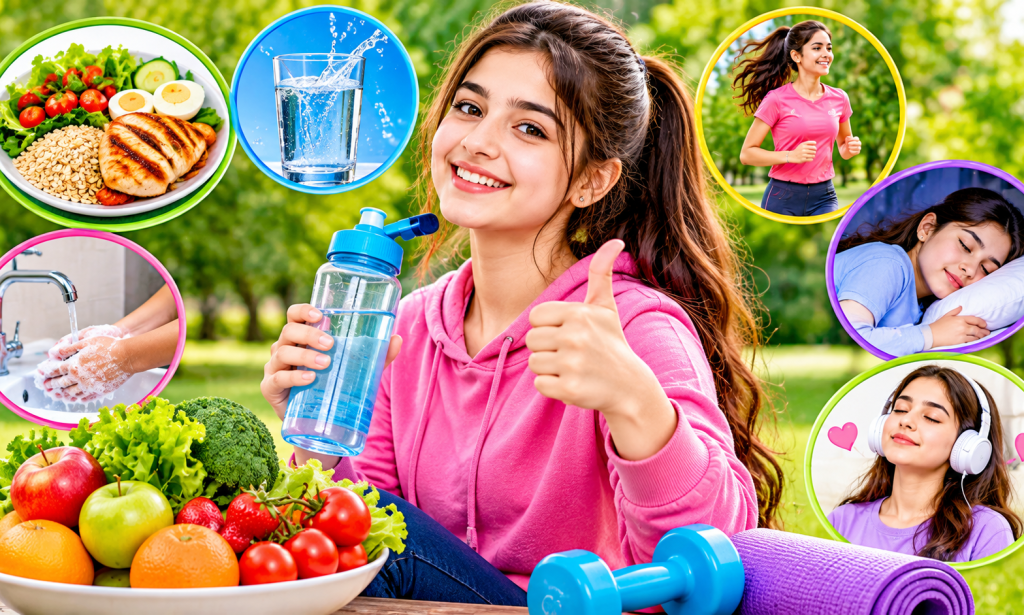
Good health is one of the greatest blessings in life. Everyone wants to live a happy, active, and successful life, but good health requires care and attention. Healthy habits are simple daily activities that help us keep our bodies and minds strong. These habits include eating healthy food, drinking enough water, exercising regularly, sleeping well, and maintaining personal cleanliness.
Many people think that staying healthy requires expensive products or special equipment. However, many important health habits are simple and can be followed at home. Small positive changes in our daily routine can make a big difference over time.
Eat Healthy and Balanced Food:
Food gives our bodies the energy needed to work, study, play, and perform daily activities. A balanced diet helps the body grow and function properly. We should include fruits, vegetables, whole grains, beans, and other nutritious foods in our meals.
Fresh fruits and vegetables provide important vitamins and minerals. Whole grains provide energy and fiber, while foods such as eggs, beans, fish, and milk can provide protein. Eating different types of healthy food helps the body receive the nutrients it needs.
It is also important to avoid eating too much junk food. Foods that contain excessive salt, sugar, or unhealthy fats should not become a regular part of our diet. We can enjoy our favorite treats sometimes, but balanced meals should remain our priority.
Drink Enough Water Every Day:
Water is essential for the human body. It helps regulate body temperature, supports digestion, and allows different organs to function properly. Drinking enough water throughout the day is an important healthy habit.
Some people forget to drink water because they are busy with work, school, or household activities. Keeping a clean water bottle nearby can be a useful reminder. Drinking water regularly, especially during hot weather and physical activity, helps prevent dehydration.
Water is generally a better everyday drink than sugary soft drinks. People can also get some water from fruits, vegetables, and other foods. The amount of water a person needs may depend on age, activity, weather, and health conditions.
Exercise and Physical Activity:

Regular physical activity is important for both physical and mental health. Exercise helps strengthen muscles, supports heart health, improves fitness, and can help people maintain a healthy weight.
Exercise does not always mean going to a gym. Walking, cycling, dancing, swimming, gardening, and playing outdoor games are all useful activities. People can choose an activity they enjoy so that staying active becomes easier.
Children should have opportunities to play and move every day. Adults can also include walking or simple exercises in their daily routines. Starting slowly and increasing activity gradually can help people build a lasting habit.
Get Enough Sleep:
Sleep is necessary for the body and brain to rest and recover. Good sleep supports memory, concentration, mood, and overall health. People who do not sleep enough may feel tired, distracted, or less active during the day.
A regular sleeping schedule can improve sleep quality. Going to bed and waking up at similar times each day helps create a healthy routine. A quiet, comfortable, and dark sleeping environment can also make it easier to rest.
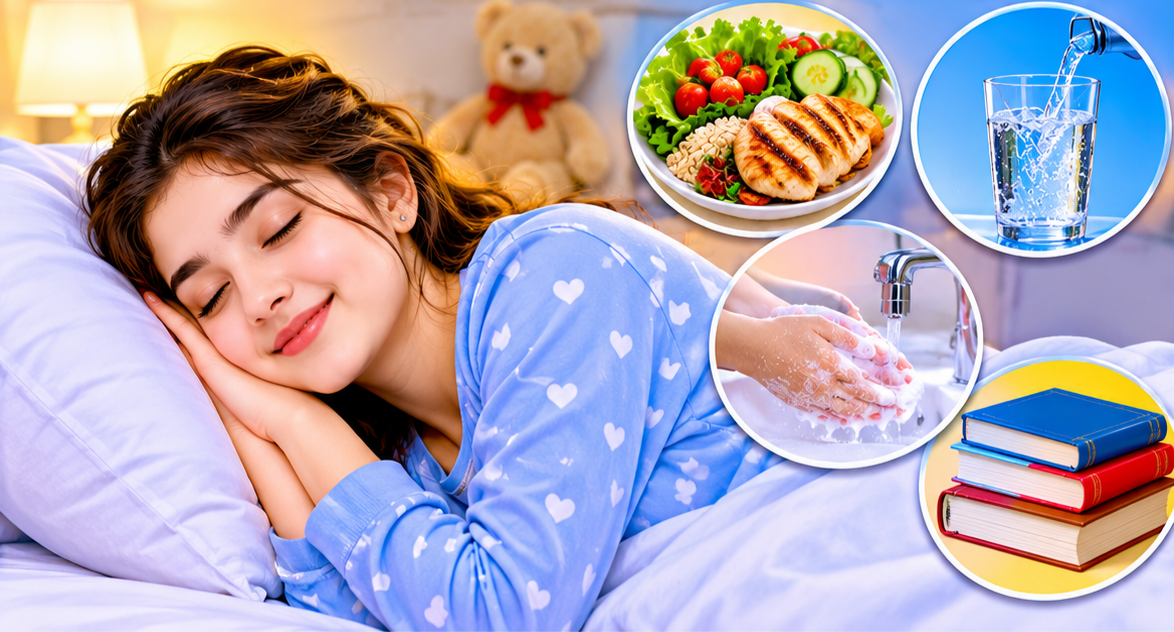
Using mobile phones or watching television late at night may disturb sleep for some people. It can be helpful to reduce screen time before bedtime and choose a relaxing activity, such as reading a book.
Maintain Personal Hygiene:
Personal hygiene means keeping our bodies clean and following habits that protect us from germs. Washing hands with soap before eating and after using the bathroom is one of the simplest ways to maintain cleanliness.
We should brush our teeth regularly, take baths, wear clean clothes, and keep our nails clean. These habits help us feel fresh and reduce the spread of infections.
Clean surroundings are also important. We should keep our homes, kitchens, and workplaces tidy. Food should be stored safely, and drinking water should come from a clean source. Good hygiene protects both individuals and the people around them.
Take Care of Mental Health:
Health is not only about the body. Mental health is also an important part of a happy life. Everyone experiences stress, sadness, worry, or difficult situations sometimes. Learning healthy ways to manage these feelings can improve daily life.
Talking to a trusted family member or friend can help when someone feels worried. Spending time with loved ones, enjoying hobbies, reading, and taking peaceful breaks can also support emotional well-being.
People should avoid putting too much pressure on themselves. It is important to understand that nobody is perfect, and everyone makes mistakes. If sadness, anxiety, or other emotional difficulties continue and affect daily life, speaking with a qualified health professional can be helpful.
Reduce Excessive Screen Time:
Technology is useful in modern life. Mobile phones and computers help us communicate, study, work, and find information. However, spending too much time looking at screens can reduce physical activity and disturb sleep.
Children and adults should try to balance screen time with other activities. Reading books, walking outdoors, playing games, and spending time with family are good alternatives.
Taking regular breaks while using a computer can also help reduce eye strain and discomfort. Using technology for learning and useful tasks, rather than endless scrolling, can make daily routines more productive.
Build Healthy Habits at Home:
A healthy lifestyle often begins at home. Families can support one another by preparing nutritious meals, keeping the house clean, and making time for physical activities.
Parents can encourage children to develop good habits from an early age. Children often learn by watching adults, so parents can set a positive example by eating balanced meals, exercising, sleeping on time, and maintaining cleanliness.
Family walks, outdoor games, and preparing healthy meals together can make healthy living enjoyable. These simple activities can also strengthen family relationships.
Stay Consistent and Set Realistic Goals:
One of the biggest challenges in developing healthy habits is staying consistent. Some people try to change everything in one day, but this can become difficult. A better approach is to begin with small and realistic goals.
For example, a person can start by walking for a short time each day, drinking more water, or adding one serving of vegetables to meals. Once these habits become easier, another positive change can be introduced.
It is normal to miss a day or make mistakes. Instead of giving up, people should return to their routine and continue trying. Patience and consistency are more important than expecting instant results.
Frequently Asked Questions (FAQs)
1. What are healthy lifestyle habits?
Healthy lifestyle habits include eating nutritious food, drinking enough water, exercising regularly, getting proper sleep, and maintaining personal hygiene.
2. Why is daily exercise important?
Daily exercise helps keep the body active, improves fitness, strengthens muscles, and supports overall health.
3. How many hours of sleep do adults need?
Most adults need around 7 to 9 hours of sleep every night to support their physical and mental well-being.
4. What foods should we eat for a healthy lifestyle?
We should eat fruits, vegetables, whole grains, healthy proteins, and other balanced foods to get essential nutrients.
5. How can I start a healthy lifestyle?
Start with small changes, such as drinking more water, walking daily, eating balanced meals, sleeping on time, and reducing unhealthy habits.
Conclusion
A healthy lifestyle is the key to a happier and better life. Small daily habits like eating healthy food, drinking enough water, exercising regularly, and getting proper sleep can make a big difference. Start with simple changes and stay consistent. Remember, taking care of your health today can help you enjoy a better tomorrow.





Comments 0
Sign in to join the conversation.
No comments yet. Be the first to say something.