


Health: A State of Complete Physical, Mental, and Social Well-Being
Introduction: Health is often perceived in narrow terms, focusing on the absence of illness or disease. However, true health is a more expansive concept, encompassing physical, mental, and social well-being. The World Health Organization (WHO) defines health as "a state of complete physical, mental, and social well-being and not merely the absence of disease or infirmity." This definition highlights that health is multifaceted, requiring a balanced approach to living a fulfilling life. Achieving well-being across all these dimensions is essential for overall happiness and longevity.
This article will explore each aspect of health—physical, mental, and social—and explain how they are interconnected. We will also discuss strategies for improving these areas to achieve holistic wellness, ultimately fostering a more balanced and healthier lifestyle.

Physical Health: The Foundation of Wellness
Physical health is the most tangible aspect of overall health. It refers to the body's ability to function effectively and maintain an optimal state of well-being. Key factors that contribute to physical health include regular exercise, a balanced diet, sufficient sleep, and preventive healthcare practices. A healthy body is more resilient to illness, injury, and stress, which in turn supports mental and social well-being.
-
Exercise and Physical Activity: Regular physical activity is crucial for maintaining cardiovascular health, strengthening muscles and bones, boosting the immune system, and improving mood. Activities such as walking, running, swimming, and strength training not only promote physical strength but also release endorphins, which are chemicals in the brain that help reduce stress and improve mental health.
-
Nutrition: A well-balanced diet rich in essential nutrients such as vitamins, minerals, proteins, and healthy fats is fundamental for maintaining bodily functions. Proper nutrition enhances energy levels, supports brain function, and helps prevent chronic diseases like diabetes, heart disease, and obesity. A varied diet that includes fruits, vegetables, whole grains, lean proteins, and healthy fats can provide the building blocks the body needs for optimal performance.
-
Sleep: Quality sleep is essential for physical health, as it allows the body to repair itself and recharge for the day ahead. Poor sleep can lead to increased stress, reduced cognitive function, and a weakened immune system. Adults should aim for 7–9 hours of sleep per night to ensure the body can heal, detoxify, and maintain optimal health.
-
Preventive Healthcare: Preventive healthcare, such as regular check-ups, screenings, and vaccinations, is crucial for detecting health issues early and managing chronic conditions. This proactive approach can help reduce the risk of serious illnesses and promote long-term well-being.
-

Mental Health: Nurturing the Mind
Mental health is equally as important as physical health and plays a critical role in overall well-being. It refers to a person’s emotional, psychological, and cognitive state. Mental health affects how individuals think, feel, and behave, and it can influence how they handle stress, relate to others, and make decisions.
-
Stress Management: Chronic stress can negatively impact both physical and mental health, contributing to issues such as heart disease, depression, and anxiety. Learning to manage stress through mindfulness practices, meditation, breathing exercises, or hobbies can significantly improve mental well-being. Regular physical activity also helps to reduce stress levels, promoting mental clarity and emotional stability.
-
Cognitive Health: Mental stimulation and cognitive health are integral to maintaining a sharp mind as we age. Engaging in activities like reading, puzzles, learning new skills, or practicing mindfulness can help improve cognitive function, memory, and problem-solving abilities. Keeping the brain active can also delay the onset of cognitive decline and mental health disorders such as dementia.
-
Emotional Well-Being: A healthy emotional state is necessary for overall mental health. This includes understanding and processing emotions, building resilience in the face of challenges, and seeking support when needed. It is important to acknowledge feelings, practice self-compassion, and reach out for help from a therapist, counselor, or support network when experiencing emotional struggles.
-
Self-Care: Prioritizing self-care is essential for maintaining good mental health. This includes engaging in activities that bring joy, practicing relaxation techniques, spending time with loved ones, and allowing time for rest and reflection. It is important to make time for activities that help rejuvenate the mind and spirit, which in turn contribute to emotional resilience.
-

Social Health: Building Healthy Relationships
Social health refers to an individual’s ability to form positive, meaningful relationships and engage with their community in a way that fosters a sense of belonging. Strong social connections contribute to emotional support, shared experiences, and a sense of purpose.
-
Social Support Networks: Having a support system made up of family, friends, and colleagues is essential for mental and emotional well-being. Social connections provide a buffer against stress, reduce feelings of isolation, and offer opportunities for shared joy and personal growth. Regular interaction with loved ones, even through virtual means, can strengthen emotional bonds and improve social health.
-
Communication Skills: Healthy communication is vital for maintaining strong relationships. The ability to express thoughts, feelings, and needs openly while also listening actively to others promotes understanding and trust. Good communication skills are key to resolving conflicts and building deeper, more meaningful relationships.
-
Community Engagement: Being involved in a community—whether through volunteering, joining clubs or social groups, or participating in local events—can enhance feelings of purpose and belonging. Community engagement fosters a sense of connection to something larger than oneself and can improve overall happiness and life satisfaction.
-
Healthy Boundaries: Setting healthy boundaries is an important aspect of social well-being. It involves knowing when to say "no," respecting your own needs and limits, and maintaining a balance between social interactions and personal time. Healthy boundaries promote self-respect and prevent burnout from overextending oneself socially.
-

The Interconnection of Physical, Mental, and Social Health
It is important to note that physical, mental, and social health are not isolated from one another. They are deeply interconnected and influence each other in profound ways. For example, physical exercise can reduce stress, boost mood, and improve sleep, while mental health practices like mindfulness can enhance immune function and reduce the risk of chronic disease. Similarly, positive social relationships can reduce feelings of loneliness and improve mental resilience.
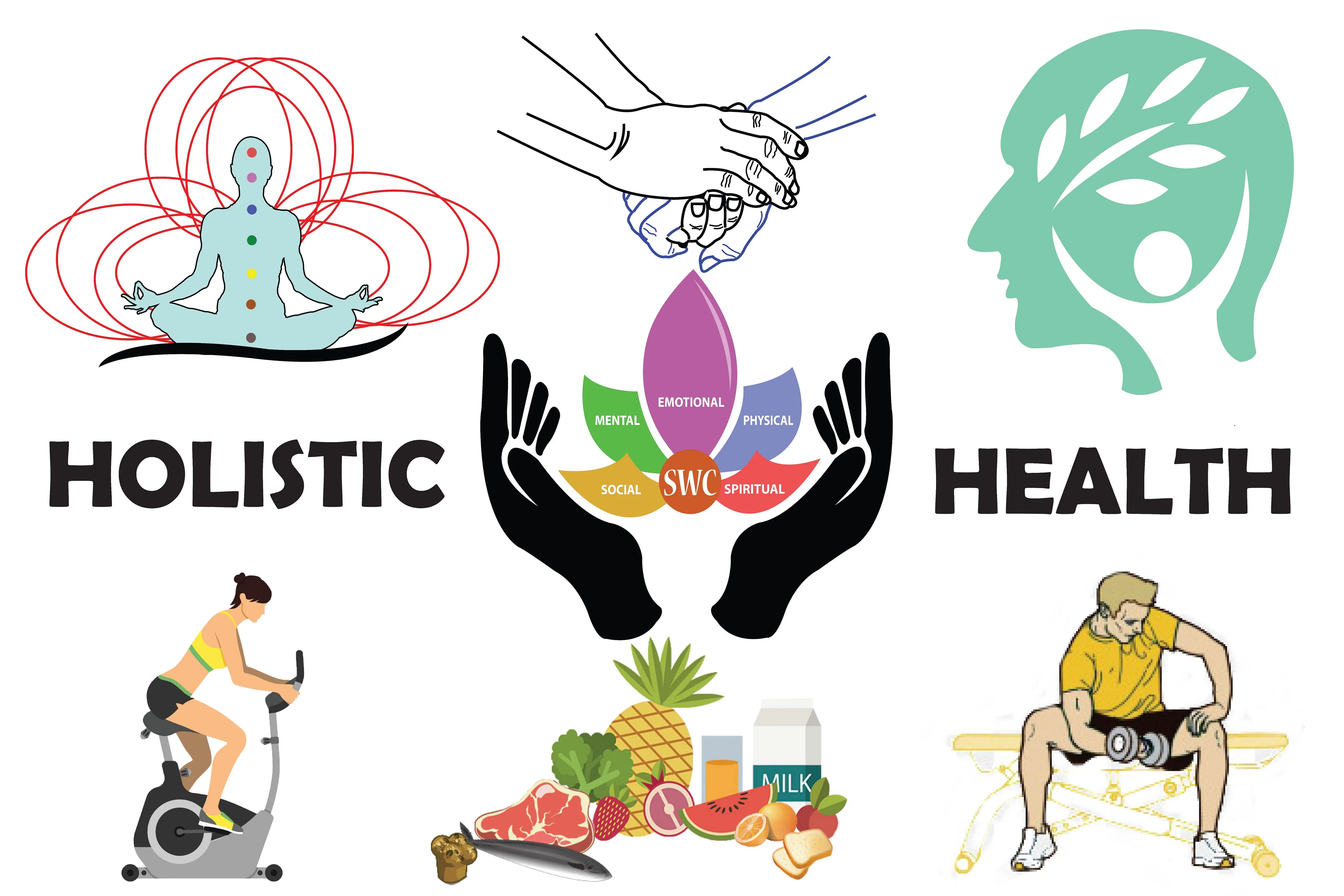
A holistic approach to health involves nurturing all three aspects simultaneously. Focusing on one area without considering the others may lead to imbalances that could affect overall well-being. Therefore, adopting a well-rounded approach to self-care that addresses physical fitness, mental clarity, and social connection is essential for maintaining overall health and well-being.

Strategies for Promoting Overall Health and Well-Being
To achieve a state of complete physical, mental, and social well-being, individuals can adopt several strategies:
-
Exercise Regularly: Engage in at least 30 minutes of moderate physical activity most days of the week. This will improve physical health, boost mood, and reduce stress.
-
Eat a Balanced Diet: Focus on consuming nutrient-dense foods such as fruits, vegetables, whole grains, lean proteins, and healthy fats to support physical and mental health.
-
Practice Mindfulness: Engage in mindfulness practices like meditation or yoga to manage stress, improve mental focus, and enhance emotional well-being.
-
Cultivate Positive Relationships: Spend time with loved ones, build a strong support network, and engage in community activities to enhance social health and prevent isolation.
-
Prioritize Rest: Ensure adequate sleep and take regular breaks to rejuvenate both body and mind.
-

Conclusion: Achieving Holistic Health
Health is a multifaceted concept that requires attention to physical, mental, and social well-being. A balanced lifestyle that nurtures each of these aspects can help individuals live a more fulfilling, vibrant life. By focusing on exercise, nutrition, stress management, self-care, and cultivating meaningful relationships, individuals can achieve a state of complete well-being. It’s not just about the absence of illness but the cultivation of a healthy, harmonious life in all areas of existence. By adopting a holistic approach to health, we can ensure that we thrive in body, mind, and spirit.






Comments 0
Sign in to join the conversation.
No comments yet. Be the first to say something.