


Postpartum anxiety, often referred to as postnatal anxiety or postpartum anxiety disorder, is a common but often overlooked condition affecting new mothers. While postpartum depression receives significant attention, postpartum anxiety is equally important to understand and address for the well-being of both the mother and the child.
Understanding Postpartum Anxiety:
Postpartum anxiety involves intense feelings of worry, fear, or unease experienced by new mothers after childbirth. While some level of worry is normal for new parents, postpartum anxiety involves excessive and persistent anxiety that interferes with daily functioning and disrupts the bonding process with the newborn.
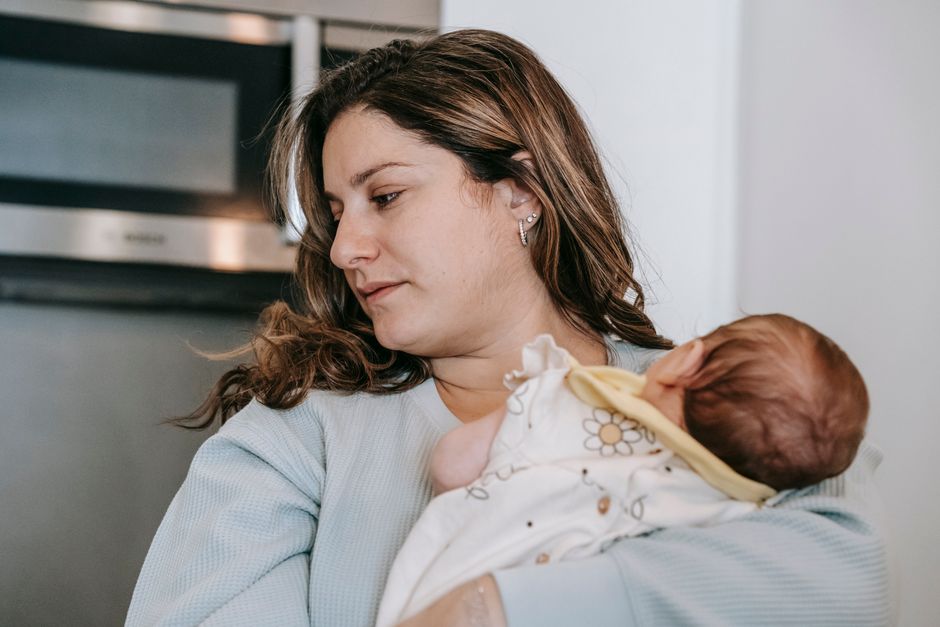
Symptoms and Signs:
Symptoms of postpartum anxiety may manifest in various ways:
Excessive Worry: Constant and overwhelming concerns about the baby's health, safety, or well-being.
Physical Symptoms: Racing heart, sweating, dizziness, nausea, or panic attacks.
Irrational Fears: Persistent fears of something bad happening to the baby or an inability to care for the newborn.
Sleep Disturbances: Difficulty sleeping, even when the baby is sleeping.
Hypervigilance: Constant checking on the baby, inability to relax or rest.
Irritability: Feeling on edge, easily agitated, or having difficulty concentrating.
Risk Factors:
Several factors contribute to the development of postpartum anxiety, including:
History of Anxiety: A personal or family history of anxiety disorders or previous experience with anxiety.
Hormonal Changes: Fluctuations in hormone levels post-birth can trigger anxiety.
Life Stressors: High levels of stress, lack of support, or challenging life circumstances.
Birth-related Trauma: Difficult childbirth, complications, or experiences of trauma during delivery.
Impact on Mother and Child:
Untreated postpartum anxiety can affect the mother's ability to bond with her baby, impact her self-esteem, and lead to feelings of guilt or inadequacy. It may also hinder the baby's emotional development and bonding with the mother, affecting their overall well-being.
Seeking Support and Treatment:
It's crucial for new mothers experiencing postpartum anxiety to seek help. Various treatments and support options are available:
Therapy: Cognitive-behavioral therapy (CBT) or talk therapy helps address anxious thoughts and coping mechanisms.
Medication: In some cases, healthcare providers may recommend medication to manage severe symptoms.
Support Groups: Joining support groups with other new mothers experiencing similar challenges can provide reassurance and understanding.
Self-care: Prioritizing self-care, getting enough rest, eating healthily, and seeking practical help from friends and family.
Conclusion:
Postpartum anxiety is a real and treatable condition. Seeking support, whether from healthcare professionals, support groups, or loved ones, is essential. Recognizing the symptoms and addressing them promptly not only helps the mother but also fosters a healthier environment for the baby's growth and development. It's important to spread awareness about postpartum anxiety to ensure that new mothers receive the support and understanding they need during this vulnerable period.
Exploring the Difficulties After Childbirth:

Inviting another life into the world is in many cases depicted as a period of bliss and joy. Be that as it may, for a few new moms, the period following labor can be joined by a scope of feelings, including sensations of trouble, uneasiness, and even sorrow. This peculiarity is ordinarily known as post pregnancy anxiety (PPD). In spite of being a predominant condition, it remains broadly misconstrued.
Side effects and Signs:
Post pregnancy anxiety is certainly not a passing instance of the "blue eyes." It's a more serious and relentless type of wretchedness that can appear inside half a month after labor or even as long as after a year. Side effects shift yet may incorporate overpowering trouble, serious emotional episodes, exorbitant crying, sensations of uselessness or responsibility, loss of interest in exercises, changes in hunger or rest examples, and trouble holding with the infant.
Causes and Hazard Factors:
The specific reason for post pregnancy anxiety isn't solitary; rather, it's a mind boggling interaction of physical, profound, and social variables. Hormonal changes after labor, lack of sleep, a background marked by discouragement or uneasiness, absence of help, unpleasant life altering situations, and, surprisingly, hereditary inclination can add to the improvement of PPD. Furthermore, the massive strain to measure up to cultural assumptions of parenthood can fuel these sentiments.
Influence on Moms and Families:

Post birth anxiety influences the mother as well as significantly affects the whole family. It can strain connections, disturb holding between the mother and the child, and influence the youngster's turn of events. In addition, untreated PPD can prompt long haul ramifications for both the mother's emotional well-being and the family's prosperity.
Looking for Help and Treatment:
Perceiving and recognizing the side effects of post birth anxiety is the most vital move towards looking for help. It's significant for new moms encountering these sentiments to contact medical services experts, for example, specialists or advisors, who can offer fitting help and therapy choices. Treatment might incorporate treatment, support gatherings, prescription, or a blend thereof, customized to the singular's necessities.
Breaking the Stigma:
One of the main hindrances to looking for help for post birth anxiety is the shame encompassing psychological wellness. Society's unreasonable assumptions for parenthood frequently lead ladies to feel embarrassed or remorseful about encountering PPD, keeping them from looking for the vital assistance. Tearing this disgrace includes open discussions, bringing issues to light, and encouraging a steady climate for new moms.
Backing and Adapting Strategies:
Making an encouraging group of people is essential for ladies encountering post birth anxiety. This organization can incorporate accomplices, relatives, companions, or care groups where moms can share their encounters and get support and understanding. Also, rehearsing taking care of oneself, setting practical assumptions, assigning undertakings, and guaranteeing appropriate rest are fundamental survival techniques.
Conclusion:
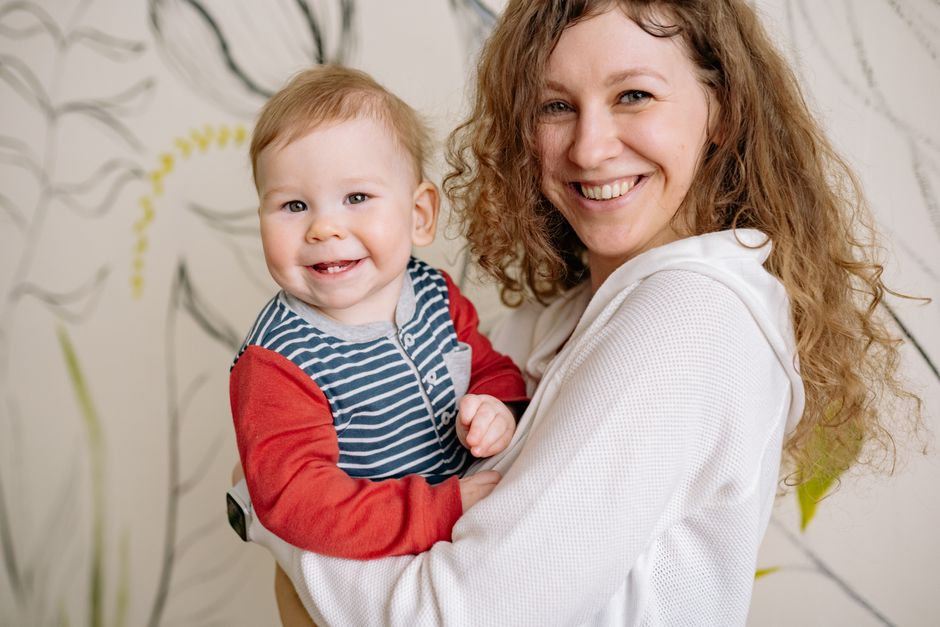
Post pregnancy anxiety is a serious and complex condition that requires figuring out, support, and legitimate treatment. By bringing issues to light, advancing open conversations, and offering sympathy and backing, we can establish a climate where new moms feel enabled to look for help unafraid of judgment. At last, supporting the psychological well-being of new moms is pivotal in guaranteeing the prosperity of the two moms and their families during this extraordinary period.









Comments 0
Sign in to join the conversation.
No comments yet. Be the first to say something.