

Governing the Food Systems
Food is essential for life, but the systems that produce, distribute, and consume food are complex and often challenging to manage. Governing food systems involves creating rules, policies, and practices that ensure everyone has access to safe, nutritious, and affordable food. It also includes protecting the environment and ensuring the sustainability of resources.
In this article, we explore the importance of governing food systems, the challenges involved, and possible solutions to create a better future for all.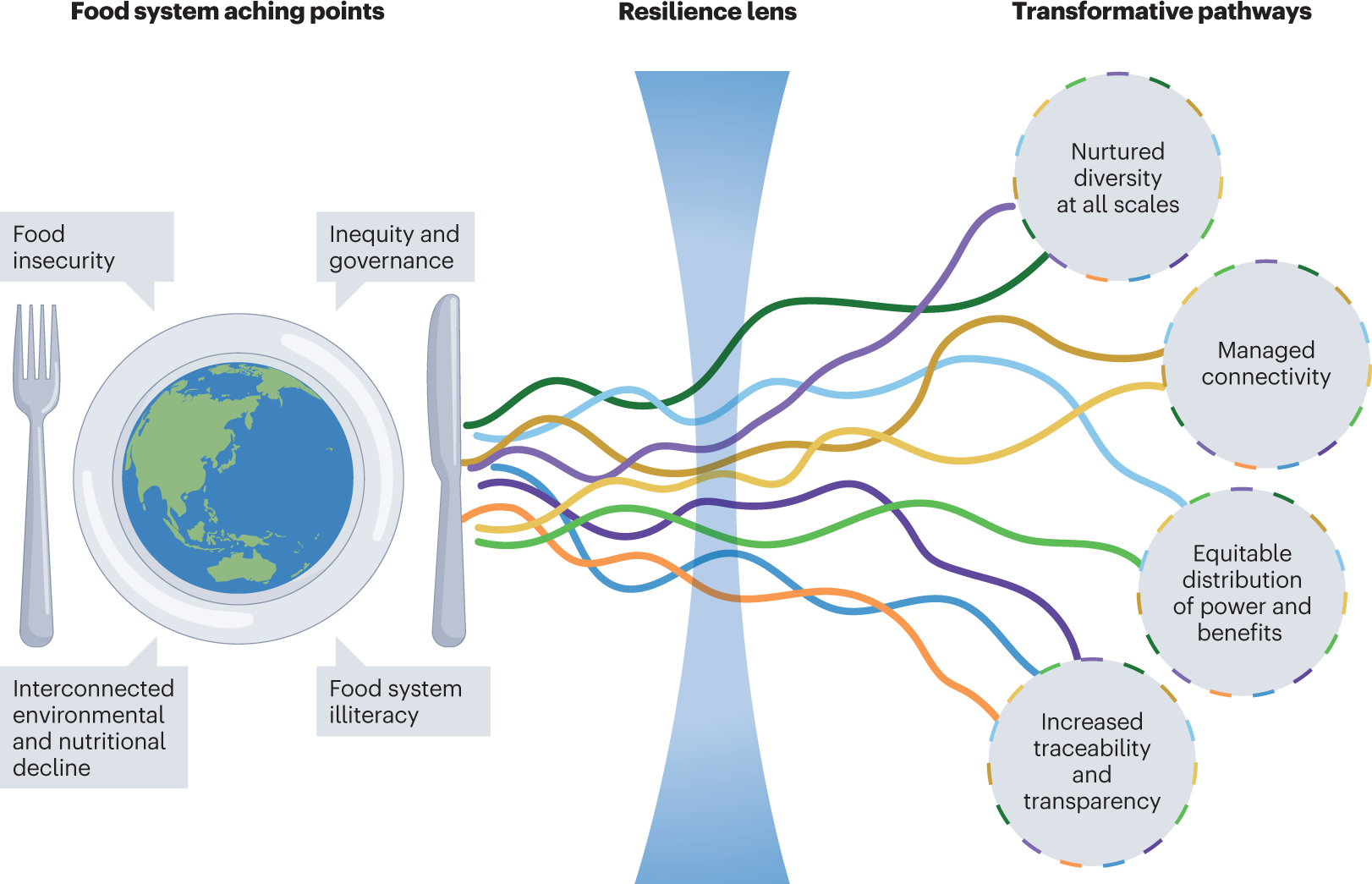
1. What Are Food Systems?
Food systems refer to the entire process of growing, harvesting, processing, transporting, selling, and consuming food. It also includes managing waste from food production and consumption. Food systems are interconnected with health, the environment, and the economy.
Effective governance of food systems ensures that these processes run smoothly, benefit everyone, and minimize harm to the planet.
2. Why Is Governing Food Systems Important?
Governing food systems is crucial because:
- Ensures Food Security: Proper governance helps prevent hunger by making food accessible to everyone.
- Promotes Health: Good policies ensure that people have access to nutritious and safe food.
- Supports Farmers: Governance protects farmers’ rights and ensures fair prices for their products.
- Protects the Environment: Managing food production helps reduce pollution, deforestation, and water wastage.
Without proper governance, food systems can become imbalanced, leading to hunger, inequality, and environmental harm.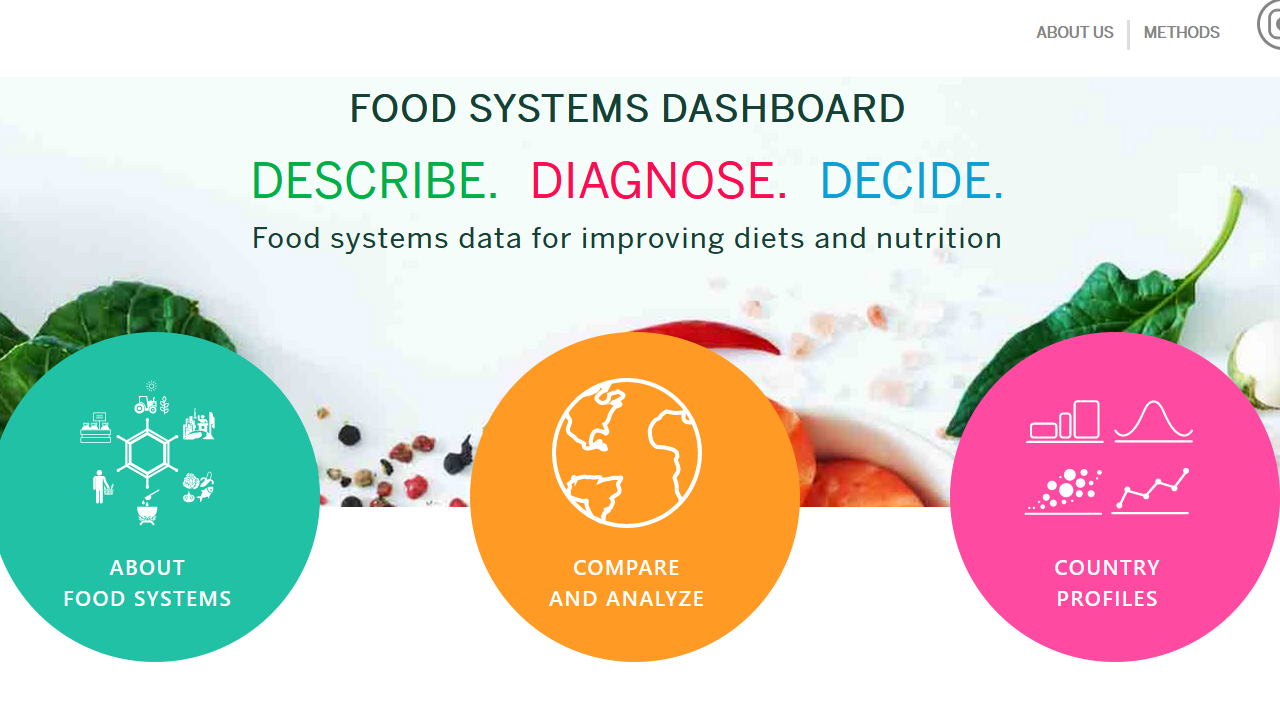
3. Challenges in Governing Food Systems
Managing food systems is not easy. Some major challenges include:
- Climate Change: Extreme weather affects crop production, leading to food shortages.
- Food Waste: A large amount of food is wasted every year, while millions go hungry.
- Inequality: Not everyone has equal access to food, especially in poor regions.
- Globalization: Trade and international markets can disrupt local food systems.
- Overproduction: In some areas, too much food is produced, harming the environment.
Governments, organizations, and individuals must work together to overcome these challenges.
4. Key Principles for Food Systems Governance
Effective governance of food systems should focus on:
- Sustainability: Protect natural resources for future generations.
- Equity: Ensure food is accessible to everyone, regardless of income or location.
- Resilience: Create systems that can adapt to climate change and other disruptions.
- Innovation: Use technology to improve farming and reduce waste.
- Collaboration: Work with farmers, businesses, and communities to create fair policies.
5. Solutions for Better Food Systems Governance
Here are some ways to improve food systems governance:
- Support Local Farmers: Encourage buying from local producers to strengthen community-based systems.
- Reduce Food Waste: Promote awareness about waste and develop better storage and distribution systems.
- Adopt Sustainable Practices: Use eco-friendly farming methods to protect the environment.
- Invest in Technology: Use innovations like precision agriculture and digital platforms to improve efficiency.
- Create Inclusive Policies: Ensure that small farmers, women, and marginalized groups have a voice in decision-making.
Governments must also regulate food industries to ensure fair trade, prevent exploitation, and promote food safety.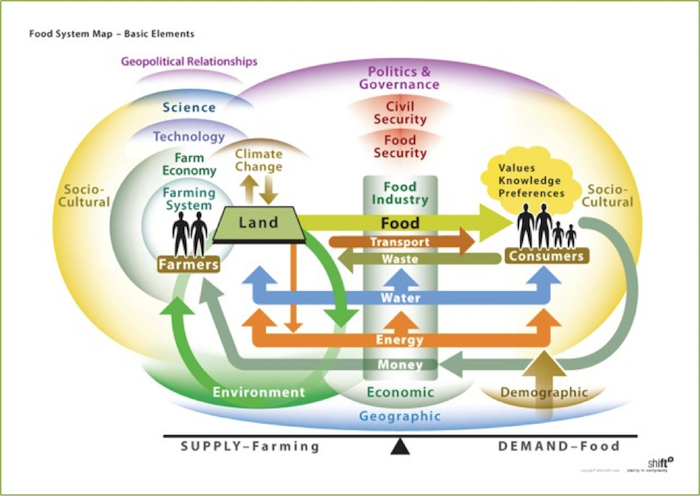
6. The Role of Individuals in Food Governance
While governments and organizations play a big role, individuals can also contribute by:
- Reducing food waste at home.
- Supporting sustainable and local food producers.
- Advocating for policies that ensure food security and environmental protection.
- Making informed choices about the food they buy and eat.
Conclusion
Governing food systems is essential to ensure that everyone has access to nutritious and affordable food while protecting the planet. By addressing challenges like food waste, inequality, and environmental harm, we can create a system that is fair, sustainable, and resilient.
Collaboration between governments, businesses, communities, and individuals is the key to achieving this goal. Together, we can build food systems that nourish both people and the planet.

You must be logged in to post a comment.