


Chronic illnesses are among the most significant health challenges of the 21st century, affecting millions of people worldwide. Conditions like diabetes, hypertension, asthma, and heart disease require ongoing management and monitoring. Traditionally, managing chronic illness involved frequent doctor visits, medication adjustments, and lifestyle changes. However, with the rapid advancement of health technology, patients and healthcare providers now have access to tools that can improve the quality of care, reduce hospitalizations, and even empower patients to take control of their health. This article explores how advanced health technology is changing the landscape of chronic illness management and offers new solutions for those living with long-term health conditions.
The Role of Health Technology in Managing Chronic Illness
Health technology refers to a broad range of tools and innovations, including digital health apps, wearables, telemedicine, artificial intelligence (AI), and remote patient monitoring, which are transforming healthcare. In managing chronic illnesses, these technologies help doctors and patients make better decisions, monitor health more accurately, and ultimately reduce the burden of disease.
For those with chronic conditions, consistent monitoring and early intervention are key to preventing complications. Health tech solutions make it easier to manage conditions at home, reducing the need for frequent hospital visits and providing a more patient-centered approach to care.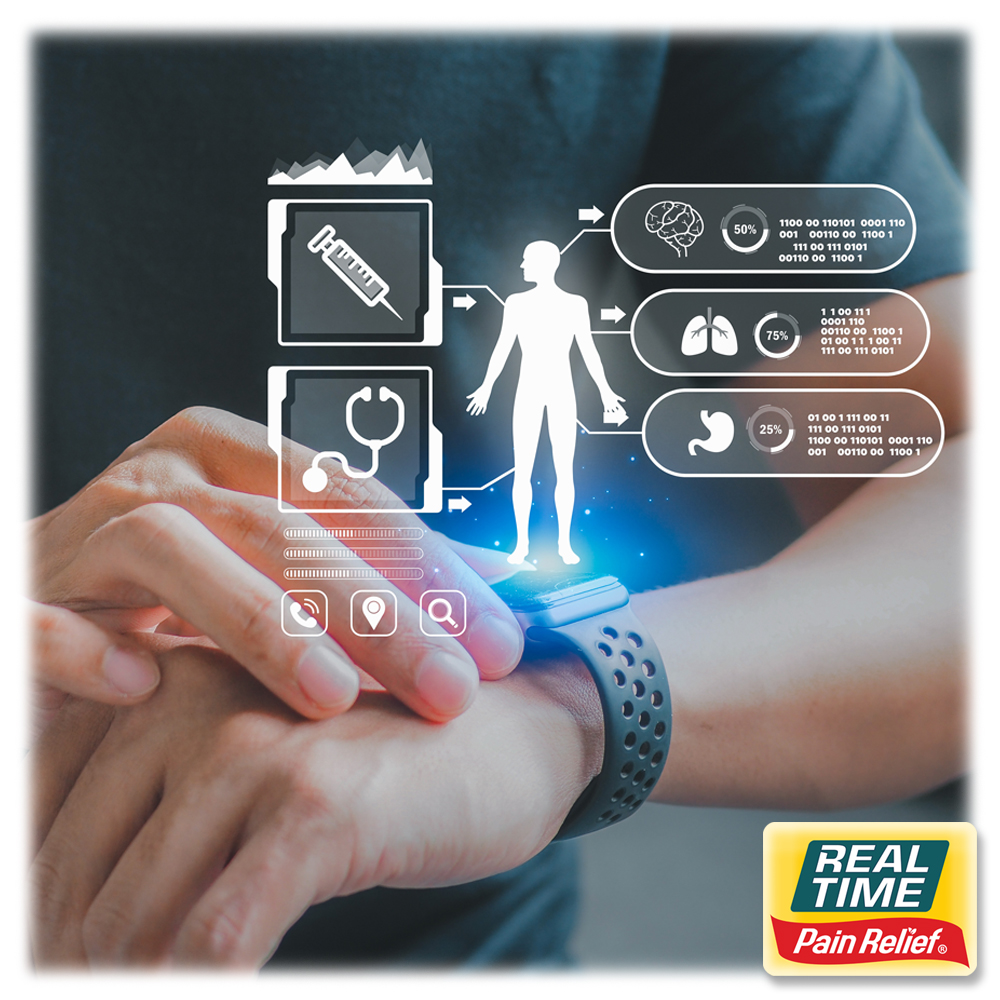
Wearable Devices and Remote Monitoring
Wearable devices such as smartwatches, fitness trackers, and medical-grade wearables are becoming increasingly popular for monitoring chronic conditions. These devices collect real-time data on vital signs such as heart rate, blood pressure, blood sugar levels, sleep patterns, and physical activity. For example, patients with diabetes can wear continuous glucose monitors (CGMs) that provide ongoing data on their blood sugar levels, allowing for real-time adjustments in diet or medication. This technology not only helps in managing the disease but also enables early detection of irregularities that could indicate a problem.
Remote monitoring is another essential aspect of managing chronic illness. Through connected devices, healthcare providers can track a patient’s condition from a distance. This eliminates the need for constant hospital visits and allows doctors to intervene proactively when necessary. Remote monitoring for conditions like hypertension or heart disease helps doctors catch potential complications early, reducing the risk of hospitalization and improving overall patient outcomes.
Telemedicine: Revolutionizing Healthcare Access
Telemedicine has become a cornerstone of modern healthcare, particularly for patients managing chronic illnesses. Telemedicine allows patients to have virtual consultations with their healthcare providers from the comfort of their own home. This is particularly beneficial for individuals living in rural or underserved areas, where access to specialized care may be limited. By using video calls, secure messaging, or phone consultations, patients can maintain regular contact with their healthcare team, ensuring that their treatment plans are being followed and any issues are addressed quickly.
Telemedicine also helps reduce the strain on healthcare systems by minimizing the need for in-person visits, especially for routine check-ups or follow-ups. Patients with chronic illnesses can avoid unnecessary trips to the clinic or hospital, which can be time-consuming and expensive. Instead, they can receive the care they need without leaving their homes, making healthcare more accessible and convenient.
AI and Machine Learning in Chronic Illness Management
Artificial intelligence (AI) and machine learning (ML) are playing an increasingly important role in chronic illness management. These technologies can analyze vast amounts of data to identify patterns that humans might miss, making them particularly useful for predicting and preventing complications in patients with chronic conditions. AI algorithms can analyze data from wearables, electronic health records (EHRs), and other sources to predict when a patient is at risk of a flare-up or an emergency.
For example, AI-powered systems can help doctors manage conditions like asthma by analyzing patterns in the patient’s symptoms and environmental factors, such as air quality, to predict when an asthma attack might occur. With this information, healthcare providers can adjust medications or suggest preventive measures to help avoid a full-blown episode.
AI is also being used in the development of personalized treatment plans. By analyzing individual data, such as genetics, lifestyle, and health history, AI can help create a tailored treatment approach for patients with chronic conditions. This personalized medicine approach has the potential to improve outcomes by ensuring that patients receive the most effective treatments for their specific needs.
Health Apps and Digital Health Tools
Digital health apps are another critical part of the advanced health tech ecosystem. These apps help patients track their health metrics, manage medications, and communicate with healthcare providers. For example, there are apps that help individuals with diabetes log their blood sugar levels, diet, and exercise routines. These apps can also remind patients to take their medications on time, helping to improve medication adherence, which is crucial in managing chronic conditions.
Other apps are designed to provide patients with educational resources and wellness tips, empowering them to make informed decisions about their health. Mental health apps, which offer mindfulness exercises, therapy sessions, and stress reduction techniques, are also gaining popularity among those managing chronic illnesses. These apps not only support physical health but also mental well-being, which is critical for individuals managing long-term health conditions .
.
Reducing Hospitalizations and Emergency Care
One of the most significant benefits of advanced health technology is its ability to reduce hospitalizations and emergency care. Chronic illnesses often require frequent hospital visits or emergency room trips due to complications. By leveraging health technology, patients can avoid unnecessary hospitalizations by managing their conditions effectively at home.
Remote monitoring devices and wearables enable healthcare providers to detect early warning signs of deteriorating health, allowing them to intervene before the situation becomes an emergency. For instance, if a patient with heart disease shows signs of heart failure, their doctor can adjust their treatment plan remotely, preventing the need for an emergency room visit. This not only improves patient outcomes but also reduces healthcare costs by minimizing the need for costly hospital stays.
Empowering Patients to Take Control of Their Health
One of the most empowering aspects of advanced health technology is its ability to put patients in control of their health. With the help of wearables, mobile apps, and telemedicine, patients can become active participants in their care, rather than passive recipients. The ability to track symptoms, monitor vital signs, and adjust lifestyle choices in real-time helps patients feel more confident in managing their chronic conditions.
Furthermore, health technologies can increase patient adherence to treatment plans. By providing constant reminders, real-time data, and easy communication with healthcare providers, patients are more likely to stick to their medications and follow lifestyle recommendations, leading to better long-term health outcomes.
Challenges and Considerations
While the potential benefits of advanced health technology in chronic illness management are immense, there are challenges that need to be addressed. Data privacy and security are major concerns, as patients' health data must be protected from unauthorized access or breaches. Additionally, not all patients have access to the technology required for remote monitoring or telemedicine, particularly in low-income or rural areas. Ensuring equitable access to health technology is critical to its widespread adoption.
Another challenge is the integration of various health tech tools with existing healthcare systems. For healthcare providers, adopting new technologies may require significant investment in training, infrastructure, and software to ensure smooth integration with electronic health records (EHRs) and other systems.
Conclusion
Advanced health technology is revolutionizing the way chronic illnesses are managed, offering patients and healthcare providers new tools for better health outcomes. Wearable devices, telemedicine, AI, and health apps are empowering patients to take control of their conditions, while enabling doctors to provide more personalized, proactive care. These technologies not only improve patient outcomes but also reduce the burden on healthcare systems by minimizing hospitalizations and emergency care. As technology continues to evolve, the future of chronic illness management looks increasingly promising, with improved accessibility, efficiency, and patient engagement at its core.






Comments 0
Sign in to join the conversation.
No comments yet. Be the first to say something.