


Introduction: Understanding Breast Cancer
Breast cancer is one of the most common cancers worldwide, affecting millions of people each year. Despite extensive research and awareness campaigns, numerous misconceptions and myths about breast cancer still persist. These myths can create fear, confusion, and sometimes even delay proper diagnosis and treatment. It is crucial to separate the fantasies from the realities to understand the disease better, address the myths, and empower individuals with accurate information.
In this article, we will explore the common myths about breast cancer (the "fantasies") and contrast them with the facts and realities of the disease. By providing accurate information, we aim to encourage early detection, reduce unnecessary fears, and support individuals affected by breast cancer.
Fantasy 1: Breast Cancer Only Affects Older Women
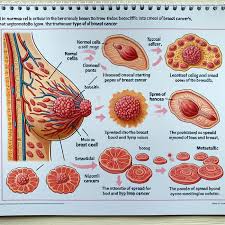
One of the most pervasive myths about breast cancer is that it only affects older women. While it is true that the risk of breast cancer increases with age, particularly after 50, the reality is that breast cancer can develop in women of all ages. In fact, younger women in their 20s and 30s are also at risk. While the overall incidence is lower in younger women, breast cancer can still occur in those under 40, and it is often more aggressive in these age groups.
The risk factors for breast cancer include family history, genetic mutations (such as BRCA1 or BRCA2), hormonal factors, lifestyle choices, and environmental exposures. Therefore, breast cancer screening and awareness are essential at any age, especially if you have a family history or other risk factors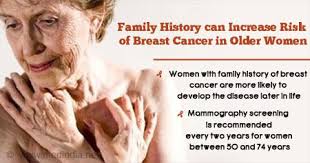
Fantasy 2: Breast Cancer Always Causes a Lump
Many people believe that breast cancer always presents as a lump. While a lump is a common symptom, it is not always present. In fact, breast cancer can also be identified through changes in breast tissue, skin, or even the shape of the breast. Other signs of breast cancer may include:
- Unexplained pain in the breast or nipple
- Nipple discharge, especially if it is bloody or clear
- Skin changes, such as redness, dimpling, or puckering
- Swelling or thickening of the breast tissue
- Changes in the size or shape of the breast
Some breast cancers, particularly inflammatory breast cancer, may not form a distinct lump but can cause changes in the skin, such as redness and swelling. It is essential to be aware of any changes in the breast and consult a healthcare professional if any of these symptoms are noticed.

Fantasy 3: If You Have No Family History, You Won’t Get Breast Cancer
A common belief is that only people with a family history of breast cancer are at risk. While a family history of breast cancer can increase your risk, the reality is that most people diagnosed with breast cancer have no known family history of the disease. In fact, only about 15% of breast cancer cases are thought to be hereditary, caused by inherited genetic mutations like BRCA1 and BRCA2.
The majority of breast cancer cases occur sporadically, meaning there is no clear family history. Other risk factors such as hormonal influences, age, lifestyle choices, and environmental exposures can also contribute to the development of breast cancer. It is important for everyone, regardless of family history, to be proactive about breast cancer awareness and screening.
Fantasy 4: A Mastectomy is Always Necessary for Breast Cancer Treatment
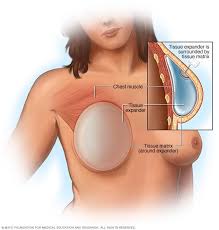
One of the most feared aspects of a breast cancer diagnosis is the idea that a mastectomy (removal of the breast) will be required. While mastectomy was once the most common treatment for breast cancer, it is no longer the only option for many patients. Advances in breast cancer treatment have made breast-conserving surgery (lumpectomy) a viable option for many people.
In breast-conserving surgery, only the tumor and a small margin of surrounding tissue are removed, leaving the rest of the breast intact. This approach is often followed by radiation therapy to eliminate any remaining cancer cells. In many cases, a lumpectomy, combined with other treatments like chemotherapy or hormone therapy, can offer equally effective results as a mastectomy.
The choice of treatment depends on several factors, including the size and location of the tumor, the stage of cancer, and individual preferences. Some people may choose a mastectomy for personal or medical reasons, while others may opt for breast-conserving surgery.
Fantasy 5: Breast Cancer Can Be Prevented by Avoiding Deodorant or Antiperspirants
One of the most persistent myths about breast cancer is the belief that deodorants or antiperspirants can cause the disease. This myth gained traction due to concerns about aluminum compounds found in some deodorants, which are thought to mimic estrogen in the body. However, there is no scientific evidence linking deodorant use to an increased risk of breast cancer.
Breast cancer risk is influenced by factors such as genetics, hormonal exposure, lifestyle choices (such as alcohol consumption, diet, and exercise), and environmental factors. While it is always a good idea to be cautious about the products you use, there is no conclusive research to support the claim that deodorants or antiperspirants are significant contributors to breast cancer.
Fantasy 6: Once You Are Diagnosed, Breast Cancer is Always Fatal
Another common misconception is that a diagnosis of breast cancer is a death sentence. While breast cancer can be a serious and life-threatening illness, advances in early detection, treatment, and personalized medicine have dramatically improved survival rates. The reality is that breast cancer is one of the most treatable cancers, especially when caught early.
The 5-year survival rate for breast cancer in the United States is approximately 90%, and the survival rate for early-stage breast cancer is even higher. Early detection through regular screenings like mammograms can help identify breast cancer before symptoms develop, increasing the likelihood of successful treatment.
Treatment options for breast cancer include surgery, chemotherapy, radiation therapy, hormone therapy, targeted therapy, and immunotherapy. With ongoing advancements in medical research, new treatments and therapies are continually improving outcomes for breast cancer patients.

Reality: Early Detection Saves Lives
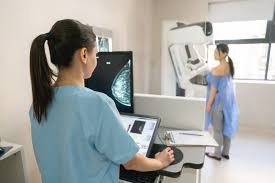
The most important reality of all when it comes to breast cancer is that early detection saves lives. Regular breast cancer screening through mammograms, self-exams, and clinical exams can detect cancer at an early stage when it is most treatable. If you notice any unusual changes in your breast tissue or experience any symptoms, it is essential to seek medical attention promptly.
While there are risk factors associated with breast cancer, everyone, regardless of their age or family history, should be vigilant about monitoring their breast health and participating in regular screenings.

Conclusion: Empowering Through Accurate Information
Breast cancer is a complex and often misunderstood disease, but by separating myths from facts, individuals can make more informed decisions about their health. While there are no guarantees when it comes to preventing or curing breast cancer, early detection, awareness, and the right treatment plan can significantly improve outcomes. By debunking common fantasies and embracing the realities of breast cancer, we can empower ourselves and others to take proactive steps toward prevention and early detection.
It is essential for everyone—regardless of their age, gender, or family history—to stay informed, educate themselves about breast cancer, and work closely with healthcare professionals to manage their breast health.







Comments 0
Sign in to join the conversation.
No comments yet. Be the first to say something.