

Energy Drinks and Heart Attacks: What Doctors Are Warning About
Introduction
Energy drinks have become one of the most popular beverages in the world. From students preparing for exams to professionals working long shifts, millions of people rely on these drinks for a quick boost of energy. Brands such as Red Bull, Monster, and Rockstar dominate store shelves and promise increased focus, alertness, and stamina.
However, behind the flashy marketing and promises of instant energy, doctors and health experts are raising serious concerns. Over the past decade, medical professionals have reported increasing cases of heart-related problems linked to energy drink consumption.
Some individuals have experienced rapid heart rate, high blood pressure, irregular heart rhythms, and even heart attacks after consuming large amounts of these drinks. This has led cardiologists and public health experts to investigate whether energy drinks pose a real danger to heart health.
In this article, we will explore the science behind energy drinks, their ingredients, how they affect the heart, and what doctors are warning people about. Understanding these risks can help you make smarter decisions about your health.
What Are Energy Drinks?
Energy drinks are beverages designed to boost energy, alertness, and mental performance. Unlike regular soft drinks, they contain stimulants and other compounds that affect the nervous system.
These drinks are widely consumed by:
Students
Athletes
Office workers
Night-shift employees
Gamers
Many people drink them to stay awake, improve focus, or increase physical endurance.
Common Features of Energy Drinks
Most energy drinks share several characteristics:
High caffeine content
Added sugar or artificial sweeteners
Stimulants like taurine and guarana
Vitamins, especially B vitamins
Herbal ingredients such as ginseng
While these ingredients may seem harmless individually, their combined effects on the body can be powerful and sometimes dangerous.
Why Energy Drinks Are So Popular
Energy drinks have grown into a multi-billion-dollar global industry. Their popularity continues to rise, especially among teenagers and young adults.
Reasons for Their Popularity
Several factors contribute to the widespread use of energy drinks:
Instant energy boost
Improved mental focus
Convenient and widely available
Aggressive marketing targeting young people
Association with sports and extreme activities
Social media and advertising often portray energy drinks as essential for productivity, fitness, and performance, which encourages frequent consumption.
However, the health risks are often downplayed or ignored.
The Key Ingredients in Energy Drinks
Understanding what is inside energy drinks helps explain why doctors are concerned about their potential impact on the heart.
Caffeine: The Main Stimulant
Caffeine is the primary ingredient responsible for the energy-boosting effect.
How Much Caffeine Is in Energy Drinks?
A single energy drink can contain:
80 mg to 300 mg of caffeine
Some extra-strong drinks contain 400 mg or more
For comparison:
A cup of coffee: 95 mg
A can of cola: 35 mg
Consuming large amounts of caffeine can overstimulate the nervous system and the heart.
Effects of Excessive Caffeine
High caffeine intake can cause:
Increased heart rate
Elevated blood pressure
Anxiety
Insomnia
Heart palpitations
Irregular heart rhythms
For individuals with underlying heart conditions, these effects can become dangerous.
Sugar Content
Many energy drinks contain extremely high amounts of sugar.
A single can may include:
25 to 60 grams of sugar
This equals 6–15 teaspoons of sugar.
Health Effects of High Sugar Intake
Excess sugar consumption can lead to:
Obesity
Type 2 diabetes
Increased inflammation
Higher risk of cardiovascular disease
Sugar also causes rapid spikes and crashes in energy levels, which encourages people to drink more.
Taurine
Taurine is an amino acid often added to energy drinks to improve physical and mental performance.
Although taurine occurs naturally in the body, high doses combined with caffeine may affect heart rhythm.
Scientists are still studying how taurine interacts with caffeine in energy drinks.
Guarana
Guarana is a plant extract that contains additional caffeine.
Many consumers are unaware that guarana increases the total caffeine content of the drink.
This can lead to unintentional caffeine overdose.
Other Stimulants
Energy drinks may also contain:
Ginseng
L-carnitine
B vitamins
Yerba mate
When multiple stimulants are combined, the effects on the cardiovascular system become stronger.
How Energy Drinks Affect the Heart
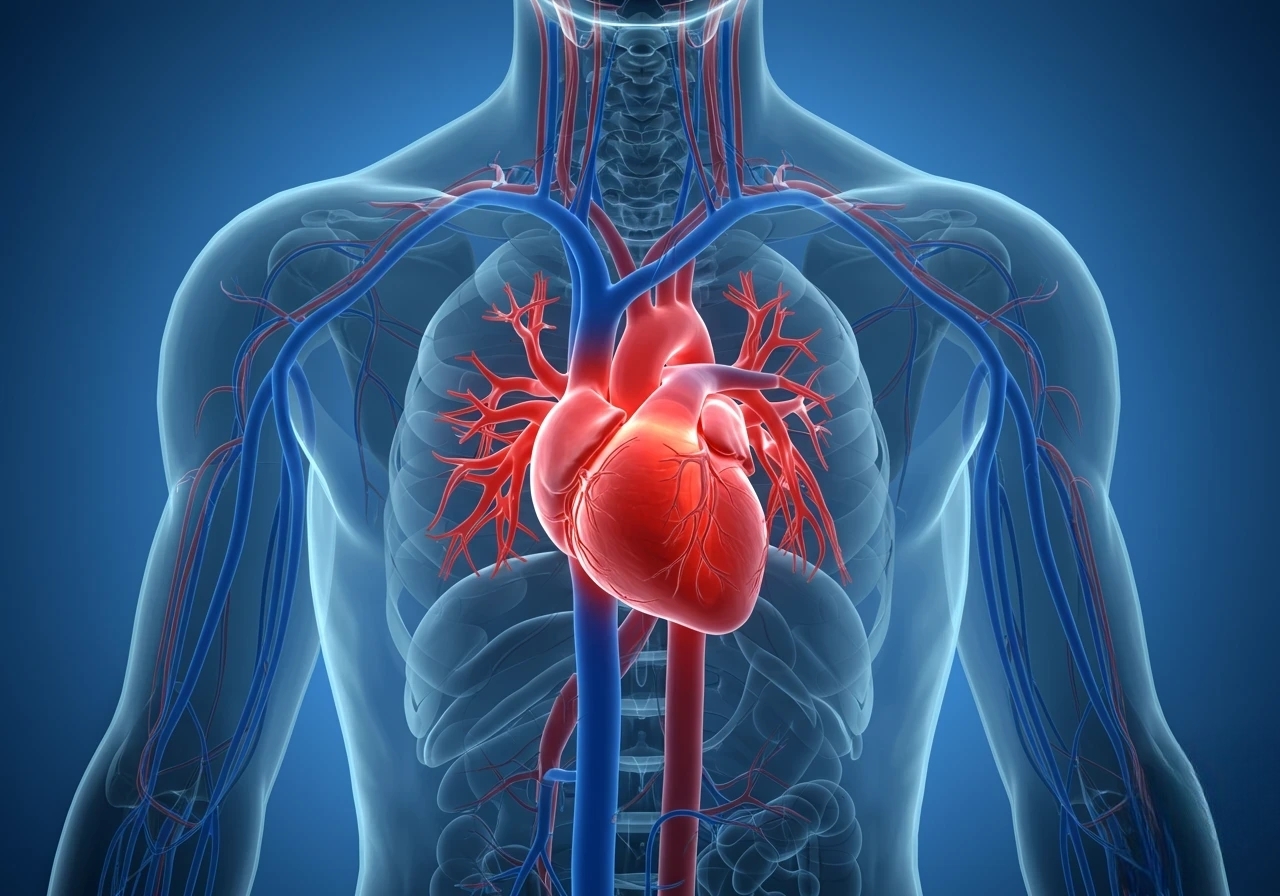
The heart is one of the organs most affected by stimulant beverages.
Increased Heart Rate
Caffeine stimulates the nervous system, which can cause the heart to beat faster.
This condition is known as tachycardia.
Symptoms may include:
Rapid heartbeat
Chest discomfort
Dizziness
Shortness of breath
For healthy individuals, this effect may be temporary. But for others, it can trigger serious complications.
High Blood Pressure
Energy drinks can significantly increase blood pressure.
Several studies show that even one energy drink can raise blood pressure within 30 minutes.
Repeated spikes in blood pressure increase the risk of:
Heart disease
Stroke
Kidney problems
Irregular Heart Rhythms (Arrhythmias)
Doctors have reported cases of arrhythmias linked to energy drink consumption.
An arrhythmia occurs when the heart beats:
Too fast
Too slow
Irregularly
Symptoms may include:
Heart palpitations
Fainting
Chest pain
Shortness of breath
Severe arrhythmias can lead to cardiac arrest.
Can Energy Drinks Cause Heart Attacks?
This is the question many people ask.
The answer is yes—under certain conditions.
Evidence from Medical Reports
Doctors have documented cases where individuals experienced heart attacks shortly after consuming energy drinks, especially when:
Drinking multiple cans in a short time
Mixing energy drinks with alcohol
Consuming them before intense exercise
Having undiagnosed heart conditions
While these cases are relatively rare, they are increasing as energy drink consumption rises.
Why Heart Attacks May Occur
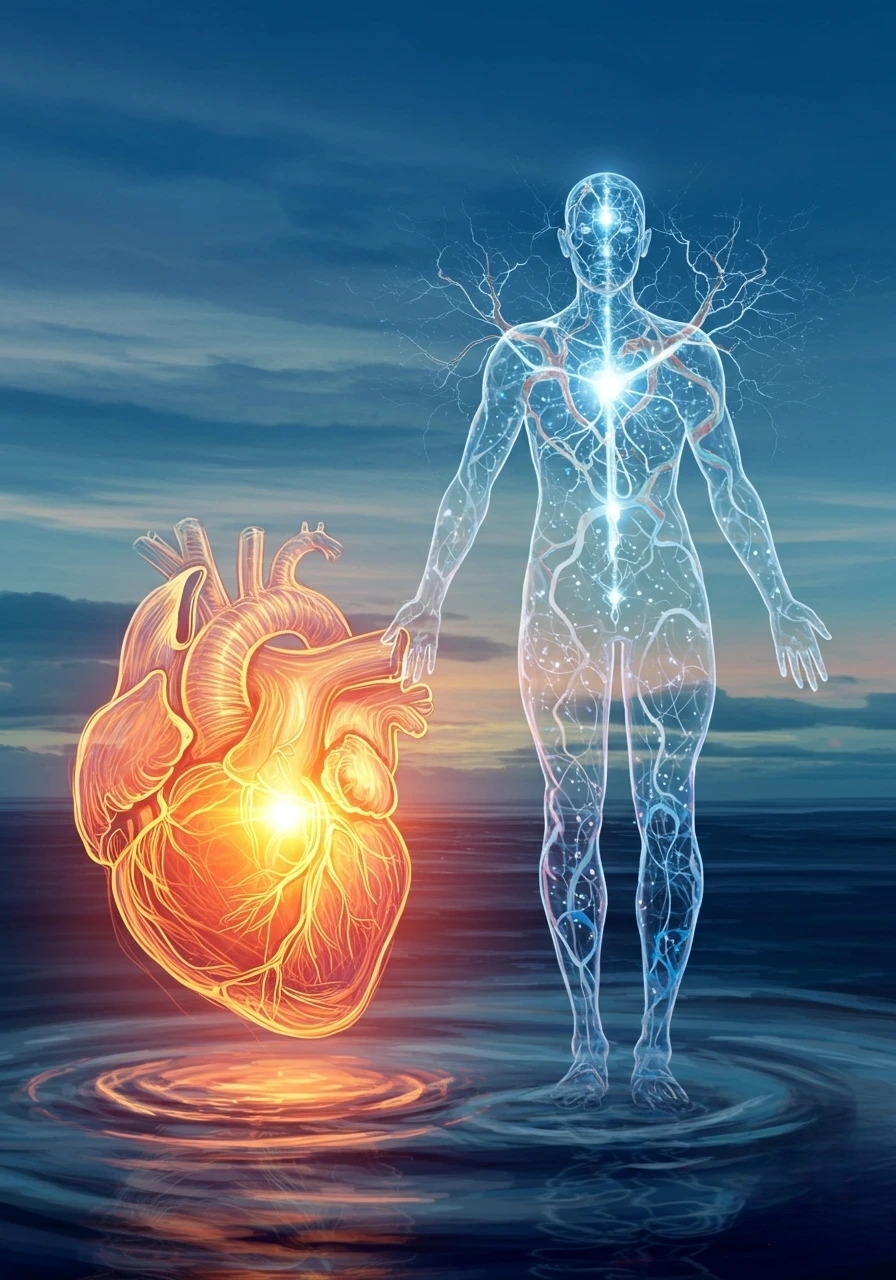
Energy drinks may trigger heart attacks due to several mechanisms:
Severe spikes in blood pressure
Narrowing of blood vessels
Increased heart workload
Blood clot formation
When these factors occur together, they can reduce blood flow to the heart muscle, leading to a heart attack.
Dangerous Combinations: Energy Drinks and Alcohol
One of the most concerning trends is mixing energy drinks with alcohol.
Popular cocktails combine alcohol with energy drinks to create a stimulating effect.
Why This Is Risky
Alcohol is a depressant, while caffeine is a stimulant.
When combined:
Caffeine masks the feeling of alcohol intoxication
People may drink more alcohol than they realize
Heart rate and blood pressure increase
This combination has been linked to cardiac emergencies and hospital visits.
Young People and Energy Drink Risks
Teenagers and young adults are among the largest consumers of energy drinks.
However, their bodies may be more sensitive to high caffeine levels.
Risks for Adolescents
Health experts warn that energy drinks can cause:
Heart rhythm disturbances
Anxiety and panic attacks
Sleep problems
High blood pressure
Some pediatricians recommend avoiding energy drinks entirely for children and teens.
Warning Signs After Drinking Energy Drinks
If someone experiences certain symptoms after consuming energy drinks, medical attention may be necessary.
Possible Warning Symptoms
Chest pain
Rapid or irregular heartbeat
Severe headaches
Dizziness or fainting
Shortness of breath
Nausea
These symptoms could indicate cardiovascular stress or complications.
Who Should Avoid Energy Drinks?
Doctors advise some groups to limit or avoid energy drinks completely.
High-Risk Groups
People with heart disease
Individuals with high blood pressure
Pregnant women
Teenagers and children
People sensitive to caffeine
Those taking stimulant medications
For these individuals, energy drinks may significantly increase health risks.
How Much Caffeine Is Considered Safe?
According to health experts, moderate caffeine intake is generally safe for most adults.
Recommended Limits
Adults: Up to 400 mg of caffeine per day
Pregnant women: Less than 200 mg per day
Teenagers: No more than 100 mg per day
However, many energy drinks contain large doses of caffeine in a single serving, which can quickly exceed safe limits.
Healthier Alternatives to Energy Drinks
If you need more energy during the day, there are safer options.
Natural Energy Boosters
Instead of energy drinks, consider:
Drinking water to stay hydrated
Getting adequate sleep
Eating balanced meals
Exercising regularly
Drinking green tea
Taking short movement breaks
These habits provide sustainable energy without stressing the heart.
What Doctors Are Recommending
Medical professionals are increasingly concerned about the long-term effects of energy drinks.

Common Medical Advice
Doctors often recommend:
Limiting energy drink consumption
Avoiding multiple drinks in a short period
Not mixing with alcohol
Reading caffeine labels carefully
Choosing healthier alternatives
Public health experts are also calling for better labeling and regulations on energy drink products.
The Future of Energy Drink Regulation
Some countries have already introduced regulations on energy drinks.
These may include:
Age restrictions
Warning labels
Limits on caffeine content
Restrictions on marketing to children
As research continues, more governments may take action to protect consumers.
Final Thoughts
Energy drinks may provide a quick boost of energy, but their potential effects on heart health should not be ignored. The combination of high caffeine levels, sugar, and multiple stimulants can place significant stress on the cardiovascular system.
For most healthy adults, occasional consumption may not cause serious harm. However, drinking multiple cans regularly—or combining them with alcohol or intense exercise—can increase the risk of high blood pressure, heart rhythm problems, and even heart attacks.
Doctors are urging people to be more aware of these risks and to consume energy drinks responsibly.
Your heart works tirelessly every day. Protecting it means making informed choices about what you put into your body.

You must be logged in to post a comment.