

Introduction
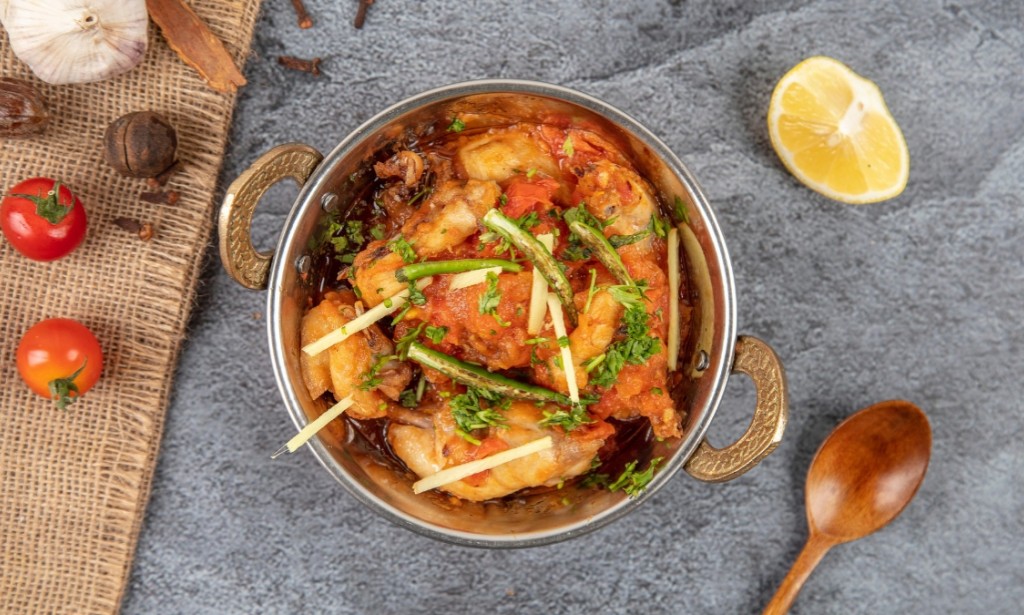
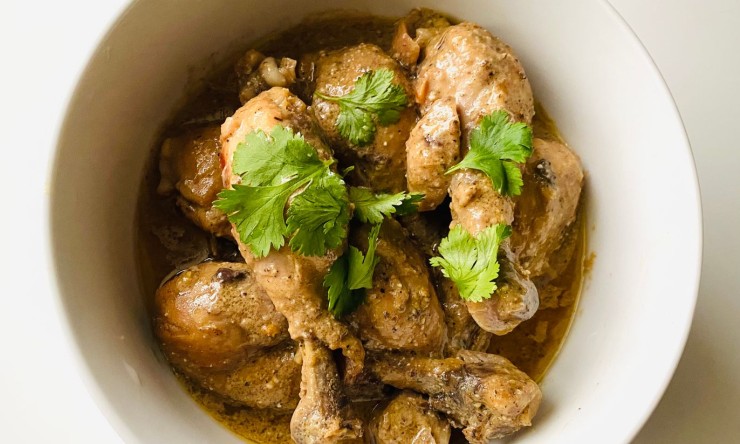
Chicken Karahi is one of the most popular and loved dishes in Pakistani cuisine. It is famous for its rich tomato gravy, tender chicken, fresh ginger, green chilies, and aromatic spices. This delicious dish is commonly prepared for family dinners, weekend meals, and special occasions. It is often served in restaurants, but you can also make it easily at home with simple ingredients.
The best thing about homemade chicken karahi is that you can adjust the spices according to your taste. Whether you prefer a mild flavor or a spicy traditional karahi, this recipe helps you prepare a satisfying meal for your family.
Ingredients for Chicken Karahi
Before starting, collect all the ingredients so the cooking process becomes easier.
1 kg chicken, cut into medium-sized pieces
4–5 medium ripe tomatoes, chopped
3 tablespoons cooking oil
1 tablespoon ginger-garlic paste
1 teaspoon red chili powder
1 teaspoon crushed coriander seeds
1 teaspoon cumin powder
Half a teaspoon turmeric powder
Half a teaspoon black pepper
Salt according to taste
3–4 green chilies, sliced
1 tablespoon fresh ginger, cut into thin strips
Half a cup fresh coriander leaves, chopped
Half a teaspoon garam masala, optional
Lemon wedges for serving, optional
These ingredients create a flavorful chicken karahi without requiring complicated cooking techniques.
Step 1: Prepare the Ingredients
Wash your hands and prepare a clean cooking area. Chop the tomatoes, slice the green chilies, cut the ginger into thin strips, and chop the fresh coriander.
If the chicken needs washing, handle it carefully to avoid spreading raw chicken juices around the kitchen. Use separate utensils for raw chicken and ready-to-eat ingredients.
Keep all the spices nearby before turning on the stove. This simple preparation makes cooking more organized and convenient.
Step 2: Heat the Oil and Cook the Chicken
Place a karahi or deep cooking pan over medium heat. Add the cooking oil and allow it to warm up. Add the ginger-garlic paste and stir for about one minute.
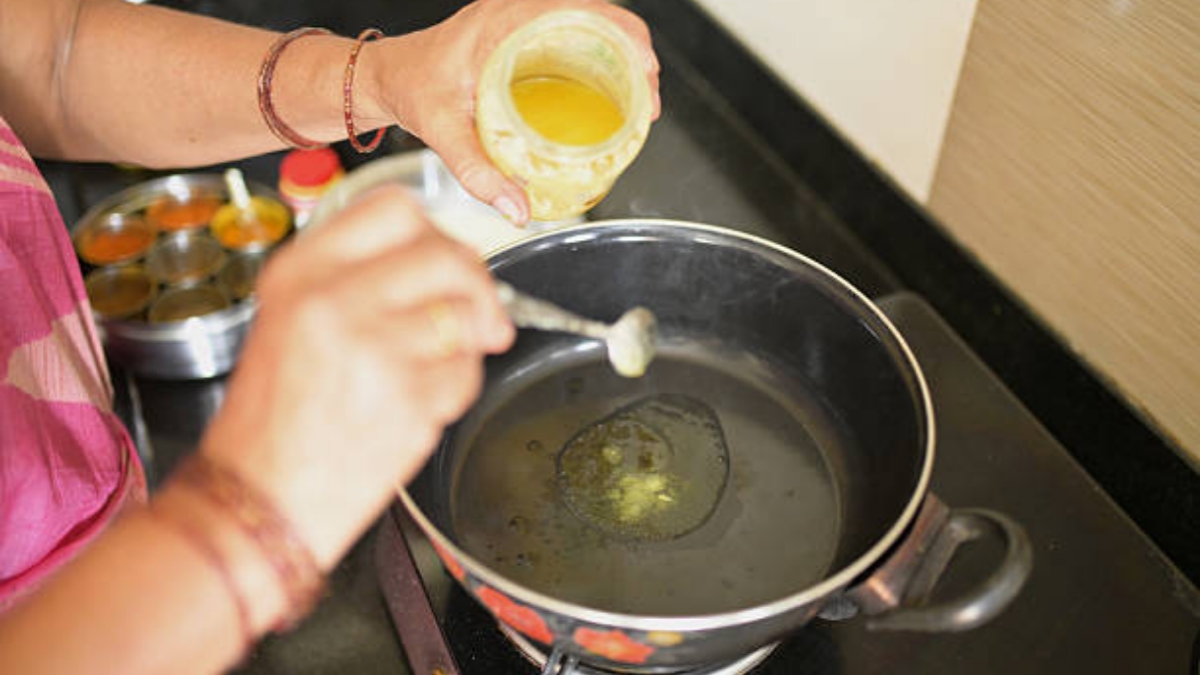
Next, add the chicken pieces. Mix well so the chicken is coated with the ginger-garlic mixture. Cook for approximately 8–10 minutes, stirring occasionally, until the outside of the chicken changes color.
Avoid cooking over excessively high heat because the mixture can stick to the bottom of the pan. Stirring regularly helps the chicken cook evenly.
Step 3: Add Tomatoes and Spices
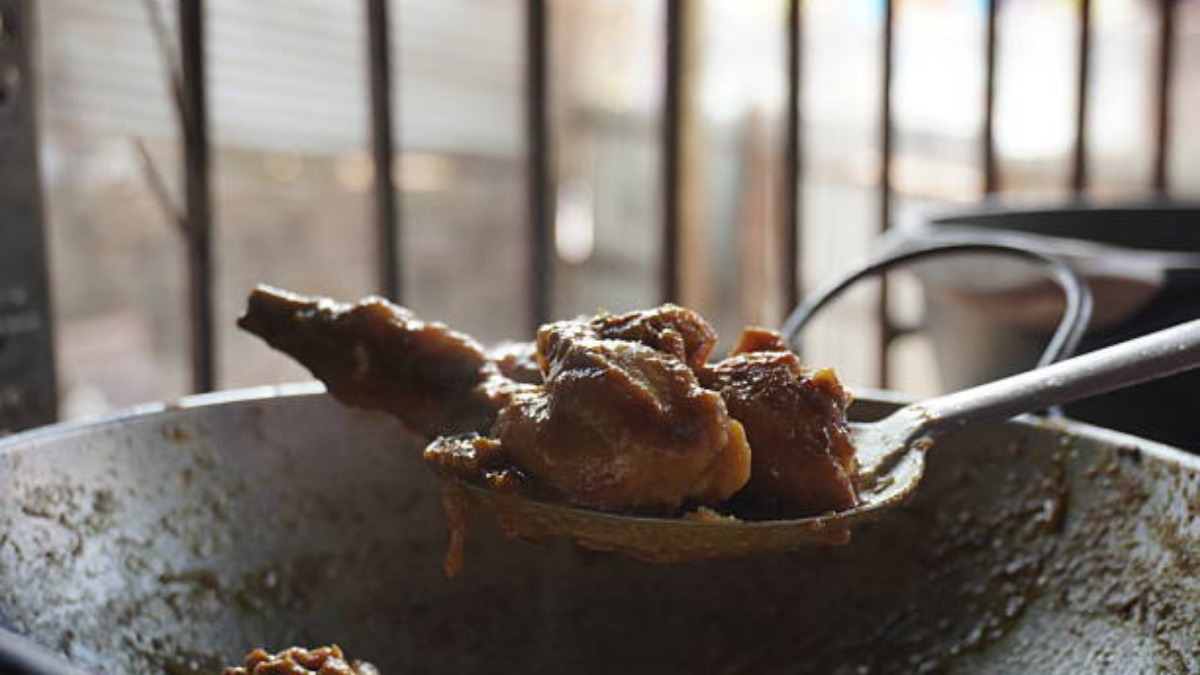
Add the chopped tomatoes to the chicken. Sprinkle in the salt, red chili powder, crushed coriander, cumin powder, turmeric, and black pepper.
Mix all the ingredients thoroughly. Cover the karahi and cook over medium-low heat for around 10–15 minutes, stirring occasionally.
As the tomatoes soften, they release their juices and form the base of the gravy. The chicken gradually absorbs the flavors of the spices and tomatoes.
If the mixture starts sticking to the pan, add a small splash of water. Avoid adding too much because traditional chicken karahi usually has a thick tomato-based gravy.
Step 4: Cook Until the Gravy Thickens
Remove the lid once the tomatoes have softened. Stir the mixture and gently break down any large tomato pieces with your spoon.
Continue cooking until the gravy becomes thick and the oil begins to separate around the edges. This usually takes another 8–10 minutes, depending on the pan and the size of the chicken pieces.
Check that the chicken is completely cooked. The safest way is to use a food thermometer and confirm that the thickest part reaches 74°C (165°F).
If the chicken is not fully cooked, continue cooking before moving to the next step.
Step 5: Add Green Chilies and Fresh Ginger
Once the chicken is tender and the gravy has thickened, add the sliced green chilies and fresh ginger strips.
Sprinkle garam masala over the karahi if you enjoy its warm, aromatic flavor. Stir gently and cook for another 2–3 minutes.
Finally, add the chopped fresh coriander. These fresh ingredients give the dish an attractive appearance and a delicious aroma.
Taste the gravy and adjust the salt or chili level if necessary.
Tips for Making Delicious Chicken Karahi
Choose ripe tomatoes: Fresh, ripe tomatoes provide natural flavor and help create a rich gravy.
Adjust the spice level: Reduce the red chili powder and green chilies for children or anyone who prefers milder food.
Avoid excess water: Too much water can make the gravy thin. Add only a little when needed.
Use fresh ginger: Thin strips of ginger added near the end give chicken karahi its familiar aroma.
Cook the chicken thoroughly: Cooking time depends on the size of the pieces. Always check that the chicken is fully cooked before serving.
Prepare it fresh: Chicken karahi tastes especially good when served hot, shortly after cooking.
What to Serve with Chicken Karahi
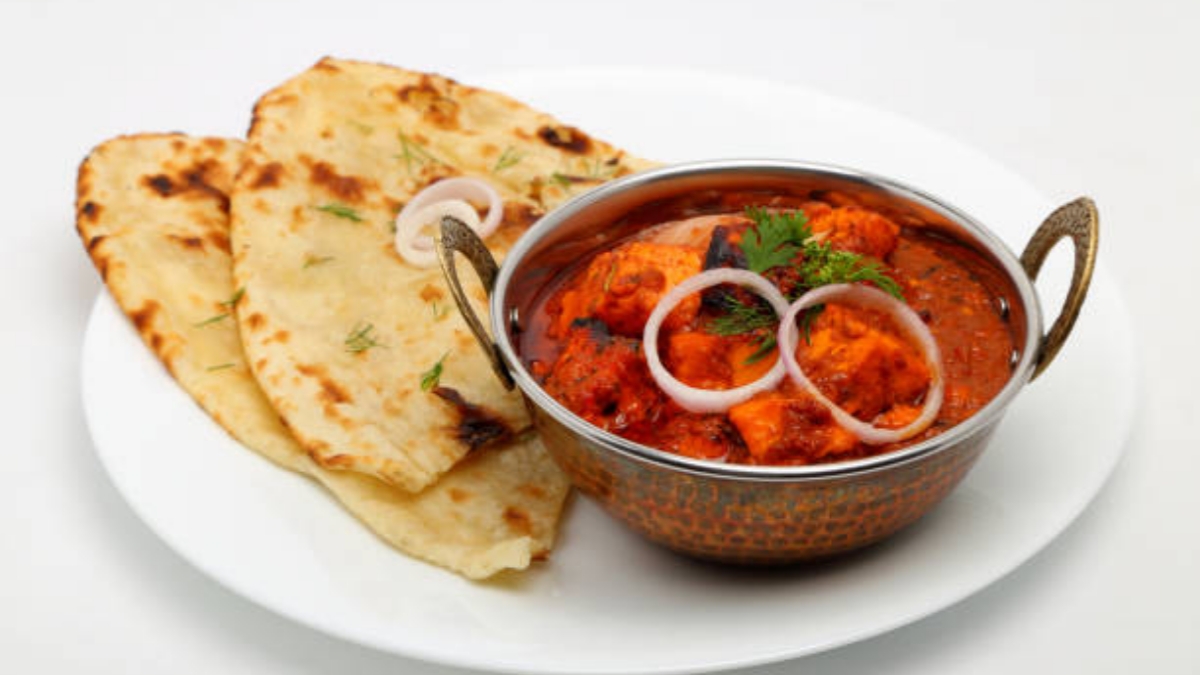
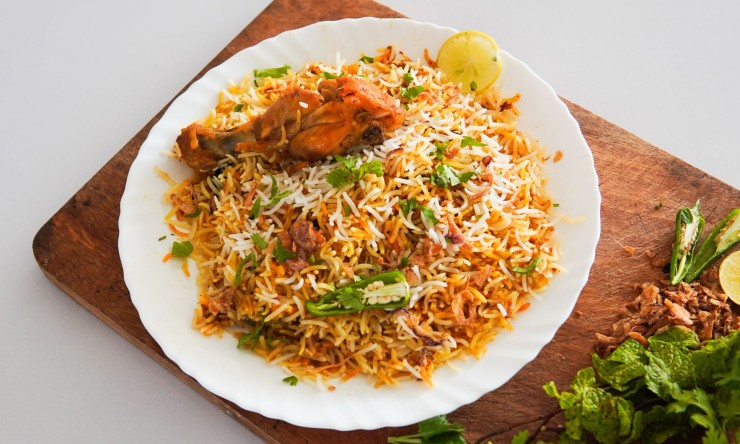
Chicken karahi goes well with freshly baked naan, chapati, or plain basmati rice. You can also serve it with cucumber and tomato salad, lemon wedges, or mint raita.
For a family meal, place the karahi in a serving dish and garnish it with fresh coriander and ginger strips. Serve the bread or rice separately so everyone can enjoy the gravy.
If you are preparing a larger meal, you can add a simple salad and yogurt dip. These side dishes complement the spicy flavors and make the meal more balanced.
How to Store Leftover Chicken Karahi
Allow leftover chicken karahi to cool slightly and place it in a clean, covered container. Refrigerate it within two hours of cooking. It can generally be kept in the refrigerator for three to four days.
When reheating, warm it thoroughly until it reaches 74°C (165°F). Add a small amount of water if the gravy has become too thick.
Do not leave cooked chicken at room temperature for extended periods. If you do not plan to eat the leftovers soon, freeze them in a suitable container.
Frequently Asked Questions
Can I make chicken karahi without onions?
Yes. Many traditional chicken karahi recipes rely mainly on tomatoes, ginger, garlic, and spices. Onions are optional and are not necessary for this recipe.
Can I use boneless chicken?
Yes. Boneless chicken can be used, but it may cook faster than bone-in pieces. Check it frequently to prevent overcooking.
How can I make the gravy thicker?
Cook the mixture uncovered for a few extra minutes so excess moisture evaporates. Stir regularly to prevent the tomatoes and chicken from sticking.
Can I make chicken karahi less spicy?
Yes. Reduce the red chili powder and use fewer green chilies. You can still enjoy the flavor from ginger, garlic, tomatoes, and coriander.
Conclusion
Homemade chicken karahi is a flavorful Pakistani dish that can turn an ordinary dinner into a special family meal. With fresh tomatoes, tender chicken, and a balanced blend of spices, you can prepare a delicious karahi using everyday kitchen ingredients.
Follow the steps carefully, adjust the seasoning according to your family's preferences, and serve the dish hot with naan, chapati, or rice. Once you become familiar with the method, you can make small changes to suit your own taste and cooking style.




Comments 0
Sign in to join the conversation.
No comments yet. Be the first to say something.