

Yoga That Sounds Crazy (But Actually Works)
Introduction: The Weird Side of Yoga That Delivers Real Results
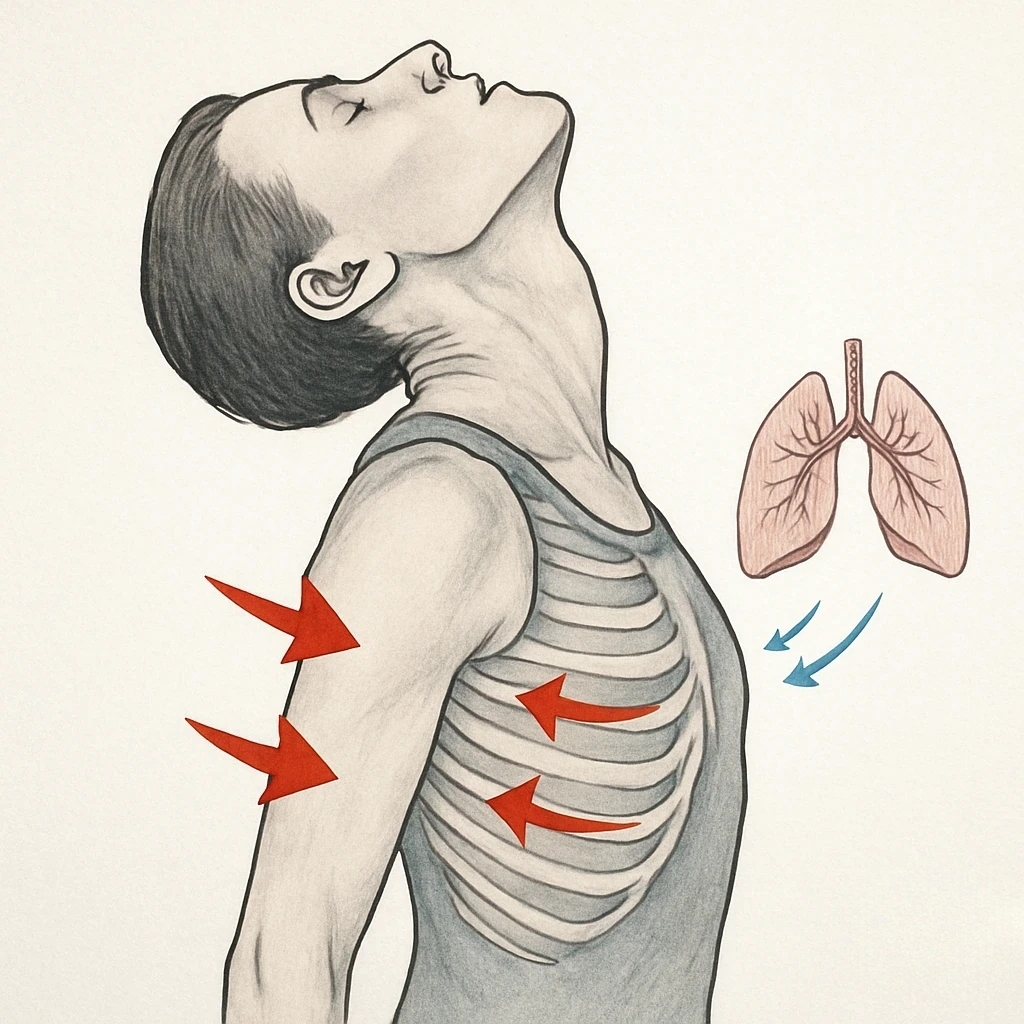
When most people think of yoga, they picture calm breathing, slow stretches, and peaceful meditation. But what if I told you that some of the most powerful yoga techniques look completely strange?
From breathing through one nostril to sticking out your tongue like a lion… some yoga practices sound bizarre. Yet many are rooted in ancient yogic science and now supported by modern research.
Yoga originated thousands of years ago in ancient India, and its classical system was organized in the . Today, researchers from institutions like and the study yoga’s effects on stress, hormones, inflammation, and mental health.
This article explores unusual yoga techniques that may look crazy—but actually work.
Why “Weird” Yoga Techniques Work
Before diving into the practices, let’s understand why they’re effective.
Yoga affects:
The nervous system
Hormone balance
Breath control
Blood circulation
Brain wave activity
Many strange-looking poses and breathing techniques stimulate the vagus nerve, activate the parasympathetic nervous system, and regulate stress hormones like cortisol.
The result?
Better focus
Reduced anxiety
Improved digestion
More stable energy
Better sleep
Now let’s explore the “crazy” techniques that deliver surprising results.
1. Lion’s Breath (Yes, You Stick Your Tongue Out)
What It Looks Like
You kneel down, open your mouth wide, stick your tongue out fully, and exhale forcefully while making a “ha” sound.
It feels silly. It looks dramatic.
But it works.
What It’s Called
In Sanskrit, it’s known as Simhasana Pranayama (Lion’s Breath).
Why Lion’s Breath Works
Lion’s Breath:
Releases jaw tension
Reduces facial stress
Activates the vagus nerve
Relieves suppressed emotions
Lowers anxiety quickly
Many people unknowingly store stress in the jaw and throat. This breathing method physically releases that tension.
Science Behind It
Research shows that forceful exhalation stimulates the parasympathetic nervous system, helping the body shift from “fight or flight” to “rest and digest.”
How To Do It
Sit or kneel comfortably.
Inhale deeply through your nose.
Open your mouth wide.
Stick your tongue out fully.
Exhale forcefully while saying “Haaaa.”
Repeat 5–7 times.
2. Alternate Nostril Breathing (One Nostril at a Time)
This one sounds especially strange.
You block one nostril and breathe only through the other. Then you switch.
It’s called Nadi Shodhana Pranayama.
Why It Works
Your nostrils connect to different hemispheres of your brain.
Right nostril breathing activates the left brain (logic, focus).
Left nostril breathing activates the right brain (creativity, calm).
Balancing both can:
Improve concentration
Reduce anxiety
Lower blood pressure
Enhance emotional regulation
Research Insight
Studies suggest alternate nostril breathing improves heart rate variability, a key marker of stress resilience.
It may also improve oxygen efficiency and cognitive performance.
How To Practice
Sit comfortably.
Close your right nostril with your thumb.
Inhale through the left nostril.
Close left nostril.
Exhale through right.
Continue alternating for 5–10 minutes.
3. Cold Yoga (Intentional Shivering & Breath Control)
This technique combines breath control with cold exposure.
It may sound extreme.
But it's powerful.
How It Works
Cold exposure paired with deep breathing:
Boosts dopamine levels
Improves immune response
Increases alertness
Enhances resilience
Breathing techniques similar to yogic pranayama are used in cold training systems popularized by .
While not traditional yoga, its breathing principles are rooted in ancient pranayama methods.
Benefits
Increased energy
Reduced inflammation
Improved mood
Greater stress tolerance
4. Humming Bee Breath (You Literally Buzz)
Yes. You make a humming sound like a bee.
It’s called Bhramari Pranayama.
Why It Sounds Strange
You close your ears with your fingers and hum during exhalation.
It feels odd at first.
But the vibration inside your skull has powerful effects.
Why It Works
The humming:
Increases nitric oxide production
Calms the nervous system
Reduces blood pressure
Improves sleep quality
Nitric oxide supports blood flow and immune function.
The vibration also stimulates the vagus nerve.
How To Practice
Sit comfortably.
Close your ears gently.
Inhale deeply.
Exhale while humming steadily.
Repeat 6–8 times.
5. Legs Up the Wall (The Lazy Pose That Heals)
This pose looks too simple to work.
You just lie down and put your legs up against a wall.
That’s it.
In Sanskrit, it’s known as Viparita Karani.
Why It’s Powerful
This inverted pose:
Improves blood circulation
Reduces swelling in legs
Relieves lower back tension
Calms anxiety
Helps insomnia
It gently reverses gravity’s effect on the body.
Ideal For
People who stand all day
Those with tired legs
Anyone with mild anxiety
Nighttime relaxation
Hold for 5–15 minutes.
6. Kapalbhati (The “Skull Shining” Breath)
This one looks intense.
You rapidly force air out through your nose repeatedly.
It may seem aggressive.
But it’s incredibly energizing.
What It Does
Kapalbhati:
Improves digestion
Boosts metabolism
Clears sinuses
Increases mental clarity
Stimulates abdominal organs
It’s like a detox for your breath.
Important Note
Avoid if:
Pregnant
High blood pressure
Hernia issues
Recent abdominal surgery
Always start slow.
7. Eye Yoga (Yes, It’s a Thing)
Eye yoga includes:
Rolling eyes
Focusing near and far
Blinking exercises
Palming (covering eyes with warm hands)
It sounds unnecessary.
But it helps.
Why It Works
In today’s screen-heavy world, eye muscles are overworked.
Eye yoga can:
Reduce eye strain
Improve focus
Relieve headaches
Support relaxation
Especially helpful for people working long hours on devices.
8. Yoga Nidra (Sleep Without Sleeping)
This practice looks like napping.
You lie down.
You listen to guided instructions.
You don’t move.
It seems too easy.
What Actually Happens
Yoga Nidra induces a state between wakefulness and sleep.
Brain waves slow down.
Stress hormones drop.
The nervous system resets.
Proven Benefits
Research suggests Yoga Nidra may:
Reduce PTSD symptoms
Improve sleep quality
Lower anxiety
Enhance memory
Improve emotional regulation
Many guided sessions are inspired by classical yogic traditions and modern therapeutic adaptations.
Why Modern Science Is Catching Up
Yoga was once dismissed as spiritual stretching.
Now it’s studied in hospitals and universities.
Organizations like the recognize physical activity and stress management as crucial for global health—areas where yoga plays a powerful role.
Scientific studies show yoga influences:
Cortisol levels
Inflammatory markers
Blood pressure
Brain structure
Immune function
The “crazy” techniques often target the nervous system more directly than basic stretching.
Who Should Try These Unusual Yoga Practices?
These techniques are ideal for:
Busy professionals
Students
People with anxiety
Those with sleep problems
Individuals feeling mentally exhausted
Anyone stuck in chronic stress
They’re especially useful if traditional workouts feel overwhelming.
How To Start Safely
Before beginning:
Consult a healthcare provider if you have medical conditions
Start slowly
Practice on an empty stomach
Stop if you feel dizzy
Focus on comfort
Consistency matters more than intensity.
Common Myths About “Weird” Yoga
Myth 1: If It Looks Silly, It Doesn’t Work
Truth: Some of the most effective techniques look unusual.
Myth 2: It’s Only Spiritual
Truth: Many techniques directly affect the nervous system physiologically.
Myth 3: It’s Just Placebo
Truth: Measurable changes in heart rate variability and cortisol suggest otherwise.
A Simple 10-Minute “Crazy Yoga” Routine
Try this daily:
2 minutes Lion’s Breath
3 minutes Alternate Nostril Breathing
2 minutes Humming Bee Breath
3 minutes Legs Up the Wall
Total: 10 minutes.
Simple. Strange. Effective.
The Hidden Power of Breath and Inversion
Most of these unusual techniques focus on:
Breath manipulation
Vagus nerve stimulation
Inverted positioning
Sound vibration
Intentional nervous system regulation
They look odd because modern fitness culture focuses on appearance.
Yoga focuses on internal function.
Final Thoughts: Strange Doesn’t Mean Ineffective
Yoga isn’t just stretching.
It’s nervous system engineering.
Some of the most powerful techniques may look unusual, dramatic, or even funny.
But when practiced consistently, they can:
Improve mental clarity
Reduce stress
Boost energy
Improve sleep
Enhance emotional balance
The next time you see someone sticking out their tongue during yoga…
You’ll know they’re not crazy.
They’re regulating their nervous system.
You must be logged in to post a comment.