


Kidney failure, or end-stage renal disease (ESRD), is a serious and life-threatening condition that occurs when the kidneys can no longer effectively filter waste products and excess fluids from the blood. The kidneys, which play a crucial role in maintaining the body's balance of fluids, electrolytes, and waste products, are highly susceptible to damage from various factors. When kidney function deteriorates, waste and toxins accumulate in the body, which can lead to dangerous complications.
Kidney failure can occur suddenly (acute kidney failure) or develop slowly over time (chronic kidney failure). Understanding the common causes of kidney failure and the risk factors associated with it is essential for preventing or managing this condition. In this article, we will explore the leading causes of kidney failure, including diabetes, hypertension, chronic kidney disease, infections, and other factors that can lead to renal damage.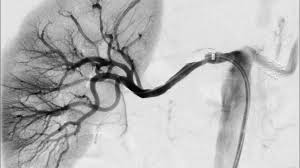
1. Diabetes: The Leading Cause of Kidney Failure
Diabetes, particularly type 2 diabetes, is the most common cause of kidney failure worldwide. High blood sugar levels associated with diabetes can damage the blood vessels in the kidneys, impairing their ability to filter waste. Over time, this damage can lead to diabetic nephropathy, a condition in which the kidneys become progressively less efficient at filtering blood.
In the early stages of diabetic nephropathy, there may be no noticeable symptoms. However, as the disease progresses, people may experience swelling in the legs, ankles, or feet, high blood pressure, and changes in urine output. If left untreated, diabetic nephropathy can lead to kidney failure.
Dr. Emily Roberts, a nephrologist specializing in diabetes-related kidney disease, explains, "Consistently high blood glucose levels cause damage to the small blood vessels in the kidneys, impairing their function. This leads to the gradual decline in kidney function that can result in kidney failure."
Controlling blood sugar levels through diet, exercise, medication, and regular monitoring can help prevent or slow the progression of kidney damage in diabetic patients.
2. Hypertension: A Major Contributor to Kidney Damage
Hypertension, or high blood pressure, is another leading cause of kidney failure. When blood pressure remains consistently high, it can damage the blood vessels in the kidneys, reducing their ability to filter waste and maintain fluid balance. This condition, called hypertensive nephropathy, can lead to kidney failure over time.
The kidneys are responsible for regulating blood pressure through a complex system involving the kidneys' filtration processes. When kidney function declines, this regulation becomes disrupted, leading to further increases in blood pressure, creating a vicious cycle. As the kidneys become less effective at filtering blood, more toxins accumulate in the body, contributing to the progression of kidney failure.
Dr. David Miller, a cardiologist, notes, "Chronic high blood pressure can cause the arteries in the kidneys to narrow, weaken, or harden, making it difficult for the kidneys to effectively filter waste. This ultimately leads to kidney damage."
Managing hypertension through lifestyle changes, such as reducing salt intake, maintaining a healthy weight, exercising regularly, and taking prescribed medications, is essential for kidney health. Early intervention and monitoring are crucial to prevent kidney failure in individuals with high blood pressure.
3. Chronic Kidney Disease (CKD): The Silent Epidemic
Chronic kidney disease (CKD) is a progressive condition in which the kidneys gradually lose their ability to function properly over time. CKD can result from various underlying conditions, including diabetes, hypertension, glomerulonephritis, and polycystic kidney disease. The condition often develops slowly, with few noticeable symptoms until the kidneys are severely damaged.
As kidney function declines, waste products and excess fluids build up in the body, causing symptoms such as fatigue, swelling, nausea, and changes in urination patterns. If left untreated, CKD can progress to end-stage renal disease, requiring dialysis or a kidney transplant for survival.
According to Dr. Jessica Williams, a nephrologist specializing in CKD, "Chronic kidney disease is a silent epidemic. Many people don't experience symptoms until their kidney function has deteriorated significantly. Early detection through regular check-ups is critical for slowing the progression of the disease."
Managing underlying conditions, such as diabetes and hypertension, and following a kidney-friendly diet can help slow the progression of CKD and improve quality of life.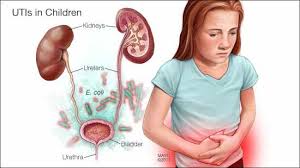
4. Infections: Kidney Damage from Urinary Tract Infections (UTIs)
Kidney infections, also known as pyelonephritis, can occur when bacteria from the urinary tract enter the kidneys. While UTIs are common, a kidney infection can be a more severe and dangerous complication. If left untreated, kidney infections can cause permanent kidney damage and lead to kidney failure.
Chronic urinary tract infections (UTIs) or recurrent kidney infections can damage the kidneys' delicate structures, impairing their ability to filter waste. In severe cases, an untreated kidney infection can result in sepsis, a life-threatening condition caused by widespread infection throughout the body.
Dr. Sarah Jenkins, an infectious disease specialist, explains, "Kidney infections can result from untreated or poorly managed UTIs. If bacteria reach the kidneys, they can cause inflammation and permanent damage, especially if infections are recurrent."
Proper treatment of UTIs with antibiotics and timely medical intervention can prevent kidney infections and reduce the risk of kidney damage. Individuals with recurrent UTIs should work closely with their healthcare provider to develop an effective prevention plan.
5. Kidney Stones: Obstructions Leading to Kidney Damage
Kidney stones are hard mineral deposits that form in the kidneys and can block the urinary tract. While most small kidney stones pass through the body without causing significant damage, larger stones can obstruct the flow of urine and cause intense pain. In severe cases, kidney stones can lead to kidney damage or even kidney failure if left untreated.
When kidney stones block the flow of urine, they can cause urine to back up into the kidneys, leading to infection and kidney damage. Recurrent kidney stones can increase the risk of kidney disease over time.
Dr. Richard Thompson, a urologist, emphasizes, "Kidney stones can be a serious risk factor for kidney damage, especially when they block the urinary tract and cause infection. Preventing kidney stones through hydration, dietary changes, and medication can help protect kidney function."
People prone to kidney stones should stay well-hydrated, maintain a balanced diet, and discuss preventive measures with their healthcare provider.
6. Genetic Conditions: Inherited Disorders Leading to Kidney Failure
Several genetic conditions can lead to kidney failure, including polycystic kidney disease (PKD), Alport syndrome, and nephronophthisis. These conditions can cause progressive kidney damage over time, often beginning in childhood or early adulthood.
Polycystic kidney disease, one of the most common inherited kidney disorders, causes fluid-filled cysts to form in the kidneys, leading to kidney enlargement and reduced function. As the cysts grow, they can damage surrounding kidney tissue, impairing kidney function and ultimately leading to kidney failure.
Dr. Angela Martin, a geneticist specializing in kidney disorders, explains, "Genetic conditions like polycystic kidney disease can significantly impact kidney function, often without noticeable symptoms until later in life. Early genetic testing and regular monitoring are essential for managing these conditions."
Genetic counseling, early diagnosis, and treatment options, such as blood pressure control and lifestyle modifications, can help manage genetic kidney conditions and reduce the risk of kidney failure.
7. Drug Toxicity: Overuse of Certain Medications
Certain medications can cause kidney damage, particularly when used long-term or in excessive amounts. Nonsteroidal anti-inflammatory drugs (NSAIDs), antibiotics, and some blood pressure medications can be toxic to the kidneys if not used correctly.
Dr. Michael Chang, a pharmacologist, warns, "Chronic use of NSAIDs or certain antibiotics, particularly in high doses, can lead to acute kidney injury or long-term kidney damage. It's essential to monitor kidney function regularly when taking medications known to impact the kidneys."
Patients should always follow their healthcare provider's instructions regarding medication use and avoid self-medicating with over-the-counter painkillers. Regular kidney function tests can help detect any signs of kidney damage caused by medications.
Conclusion
Kidney failure is a serious condition that can result from various causes, including diabetes, hypertension, chronic kidney disease, infections, kidney stones, genetic conditions, and drug toxicity. Understanding these common causes and risk factors is essential for preventing kidney damage and managing kidney health.
Early detection and intervention are critical to preventing kidney failure. Individuals at risk, including those with diabetes, high blood pressure, or a family history of kidney disease, should undergo regular health screenings to monitor kidney function. By adopting a kidney-friendly lifestyle, including a balanced diet, regular exercise, and proper medication management, individuals can reduce the risk of kidney failure and maintain optimal kidney health.






Comments 0
Sign in to join the conversation.
No comments yet. Be the first to say something.