


INTRODUCTION:
Fitness trends come and go, and it can be challenging to separate effective practices from fleeting fads. As we see more fitness influencers and trainers promoting new workout routines, diets, and health philosophies, it’s crucial to know which trends are genuinely effective in achieving lasting health and wellness goals. This article breaks down some of the most popular fitness trends, explaining what works, what doesn’t, and how you can choose the best methods to meet your health objectives.
1. High-Intensity Interval Training (HIIT)
What It Is:
High-Intensity Interval Training (HIIT) is a workout strategy that alternates between short bursts of intense activity and periods of rest or lower-intensity exercise. It typically lasts between 15 to 30 minutes, offering an efficient workout in a short amount of time.
Does It Work?
Yes, HIIT is proven to improve cardiovascular health, burn fat, and boost metabolism. Research has shown that HIIT can help lower blood pressure, improve insulin sensitivity, and enhance cardiovascular endurance in a short amount of time. Additionally, the afterburn effect (excess post-exercise oxygen consumption, or EPOC) ensures your body continues burning calories even after you finish your workout.
Why It Works:
HIIT works by pushing your body to its limits during intense activity phases, then allowing it to recover. This method of alternating between intense exertion and recovery builds endurance, burns fat, and strengthens the heart and muscles. The intensity of HIIT also stimulates muscle growth and fat loss more effectively than steady-state cardio.
2. Yoga
What It Is:
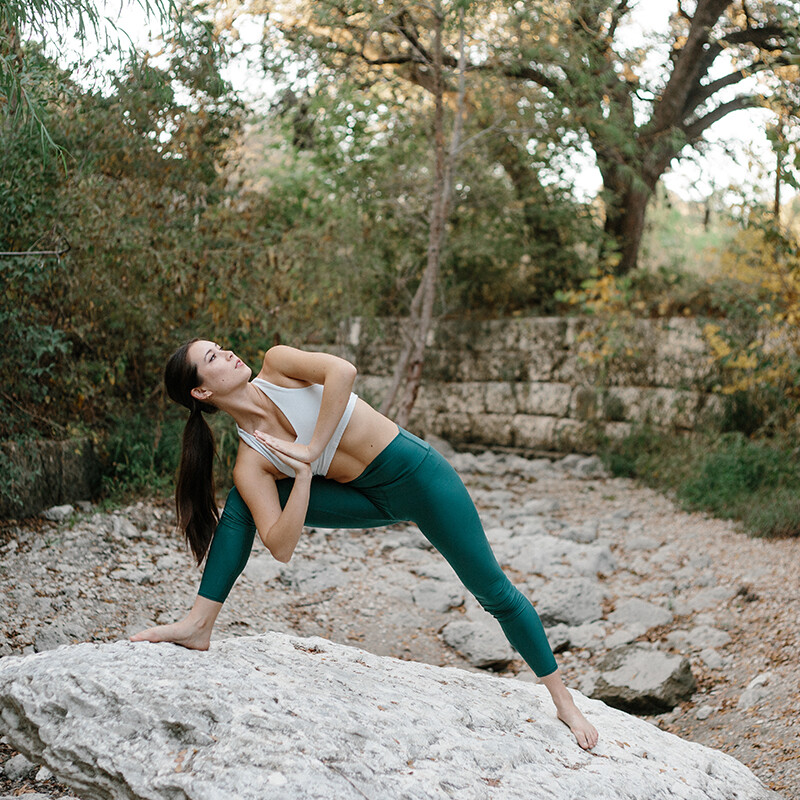
Yoga is a mind-body practice that combines physical postures (asanas), breathing techniques (pranayama), and meditation. It is known for improving flexibility, reducing stress, and enhancing mental focus and relaxation.
Does It Work?
Yes, yoga is an effective practice for both mental and physical health. Regular yoga sessions can improve flexibility, posture, balance, and joint health. Additionally, studies show that yoga can reduce stress, anxiety, and depression by promoting mindfulness and relaxation. It is a great way to enhance flexibility while strengthening the core and improving overall mobility.
Why It Works:
Yoga’s benefits extend beyond the physical body. It integrates mindfulness, breathing, and physical movement, which help reduce stress and improve mental clarity. Yoga’s ability to reduce cortisol levels and enhance body awareness makes it ideal for stress management and emotional well-being. It also provides active recovery for individuals engaging in more strenuous workouts, helping to prevent injury.
3. Strength Training and Weightlifting
What It Is:
Strength training involves using weights, resistance bands, or bodyweight exercises to build muscle mass, strength, and endurance. Common exercises include squats, deadlifts, bench presses, and lunges.
Does It Work?
Yes, strength training is one of the most effective ways to build muscle, increase strength, and boost metabolism. Weightlifting also enhances bone density, improves posture, and supports joint health. It is vital for anyone looking to increase lean muscle mass, burn fat, and improve overall fitness.
Why It Works:
Strength training works by breaking down muscle fibers, which then rebuild stronger during the recovery period. This process not only increases muscle mass but also boosts metabolism, helping individuals burn more calories at rest. Strength training improves functional fitness, making daily tasks easier and reducing the risk of injury.
4. Functional Training
What It Is:
Functional training focuses on exercises that simulate everyday movements like lifting, bending, and squatting. The goal is to improve strength and mobility that directly translates to better performance in daily activities. Common exercises include kettlebell swings, lunges, and bodyweight squats.
Does It Work?
Yes, functional training is great for improving balance, coordination, and overall body strength. It enhances mobility and flexibility, making it particularly beneficial for older adults or individuals recovering from injury. Functional exercises can reduce the risk of falls and injuries by improving strength, flexibility, and coordination.
Why It Works:
Functional training works by targeting multiple muscle groups at once and promoting natural movement patterns. It mimics the actions your body performs daily, improving overall physical function and reducing the risk of injury. By strengthening the core and stabilizing muscles, functional exercises help improve posture, balance, and joint health.

5. Fad Diets (Keto, Paleo, Intermittent Fasting)
What They Are:
Fad diets like the ketogenic diet (low-carb, high-fat), paleo diet (eating foods available in the Paleolithic era), and intermittent fasting (periods of fasting followed by eating) have gained popularity in recent years. Each of these diets promotes specific eating habits, often restricting certain food groups or limiting eating windows.
Do They Work?
While these diets can lead to short-term weight loss, they are not always sustainable or balanced in the long term. The keto diet, for example, may lead to initial weight loss but can be difficult to maintain and may cause nutrient deficiencies. Intermittent fasting can help some people regulate their caloric intake, but it may not be suitable for everyone.
Why They Work (or Don’t):
These diets often promote a calorie deficit or restrict certain types of food, which can lead to weight loss. However, they may not offer a balanced approach to nutrition, and many individuals struggle with their long-term sustainability. Instead of following restrictive diets, it’s more effective to adopt a well-rounded, balanced eating plan that incorporates whole, nutrient-dense foods.
6. Group Fitness Classes
What They Are:
Group fitness classes, such as spin, Zumba, body pump, and circuit training, involve exercising in a group setting with an instructor guiding the class. These classes are often fast-paced and focused on cardiovascular fitness, strength, or flexibility.
Do They Work?
Yes, group fitness classes are great for those who enjoy social interaction during their workouts. They offer motivation, variety, and expert guidance, making them a fun way to stay committed to fitness goals. Group classes can improve cardiovascular health, enhance strength, and burn calories effectively.
Why They Work:
Group fitness classes are effective because they foster a sense of community and accountability. The social environment makes it easier to stay consistent and motivated. Many participants find that group settings push them to work harder and achieve better results than working out alone. The variety of classes keeps fitness routines engaging and helps target different aspects of physical health.
7. Recovery Practices (Stretching, Foam Rolling, Rest)
What It Is:
Recovery practices such as stretching, foam rolling, and taking rest days are crucial for muscle repair and injury prevention. Active recovery involves low-intensity exercises like walking or swimming to promote blood flow without taxing the body.
Do They Work?
Yes, recovery is essential for muscle repair and long-term performance. Rest and active recovery allow the body to heal and rebuild, preventing overuse injuries and reducing muscle soreness. Proper recovery also supports better performance during subsequent workouts.
Why They Work:
Recovery practices help the body repair and rebuild damaged muscle tissue, reducing soreness and fatigue. Rest days are crucial for giving the muscles time to recover and grow stronger. Foam rolling and stretching can alleviate tightness and increase flexibility, while active recovery keeps blood circulating to muscles, aiding in faster healing.

Conclusion: Which Fitness Trends Actually Work?
When it comes to achieving health goals, not all fitness trends are created equal. High-intensity interval training (HIIT), strength training, yoga, and functional training are all backed by research and offer tangible benefits for improving physical health, mental well-being, and overall performance. However, some trends, like fad diets, may only provide short-term results and can be challenging to sustain over time.
The key is to find a fitness routine that aligns with your personal goals, fitness level, and lifestyle. Combining effective trends like strength training and yoga, along with proper recovery practices, will set you on the path to achieving long-term health and fitness.







Comments 0
Sign in to join the conversation.
No comments yet. Be the first to say something.