
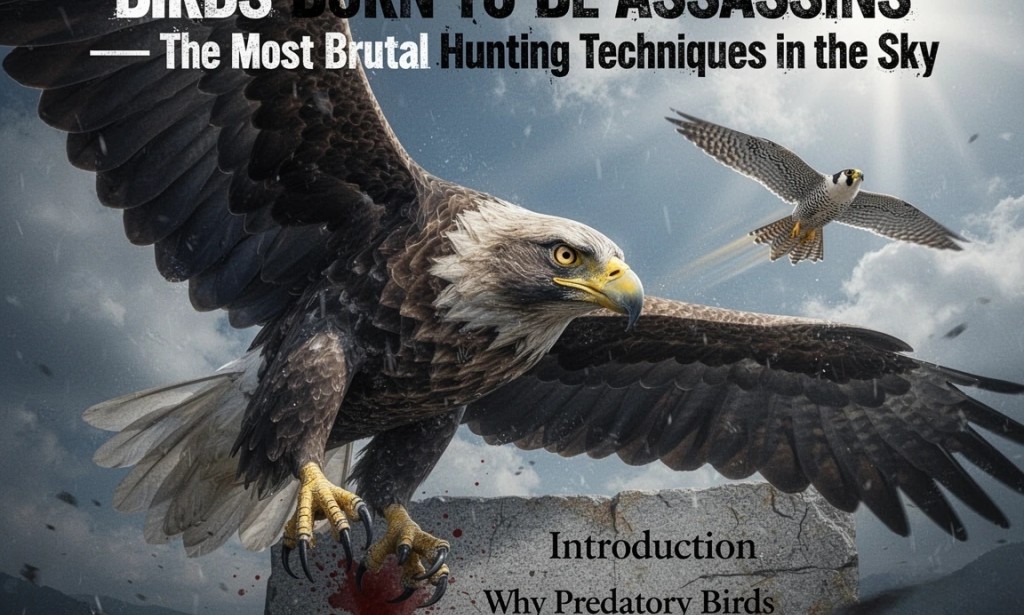
Introduction
The sky may look peaceful from the ground, filled with graceful wings and beautiful songs, but high above the earth a deadly war is constantly unfolding. Birds are not always gentle creatures pecking seeds or singing at sunrise. Some evolved into precise aerial killers with weapons, tactics, and instincts that rival the greatest predators on Earth.
From eagles that crush bones with massive talons to falcons that strike faster than race cars, these birds are nature’s assassins. Every species developed unique methods to capture prey, dominate territory, and survive in unforgiving ecosystems.
Some stab. Some suffocate. Some drop victims from the sky. Others impale prey on thorns and save bodies like trophies.
This is the hidden world of avian predators — where speed, stealth, intelligence, and brutality rule the skies.
Why Predatory Birds Became Nature’s Perfect Hunters
Birds evolved hunting abilities over millions of years. Unlike land predators that rely on endurance or ambush, flying hunters gained three huge advantages:
Superior Vision
Many birds of prey possess eyesight far beyond humans.
Their eyes can:
Detect prey from kilometers away
See ultraviolet patterns
Track movement instantly
Judge distance during high-speed attacks
An eagle may spot a rabbit from several kilometers above.
Specialized Weapons
Predatory birds evolved natural tools:
Hooked beaks for tearing flesh
Needle-like talons for gripping prey
Silent wings for stealth attacks
Powerful neck muscles for killing blows
Each species became a specialist assassin.
Aerial Advantage
Flight allows birds to:
Attack from above
Surprise prey
Escape danger quickly
Hunt across vast territories
The sky itself became their battlefield.
The Peregrine Falcon — The Missile of the Sky
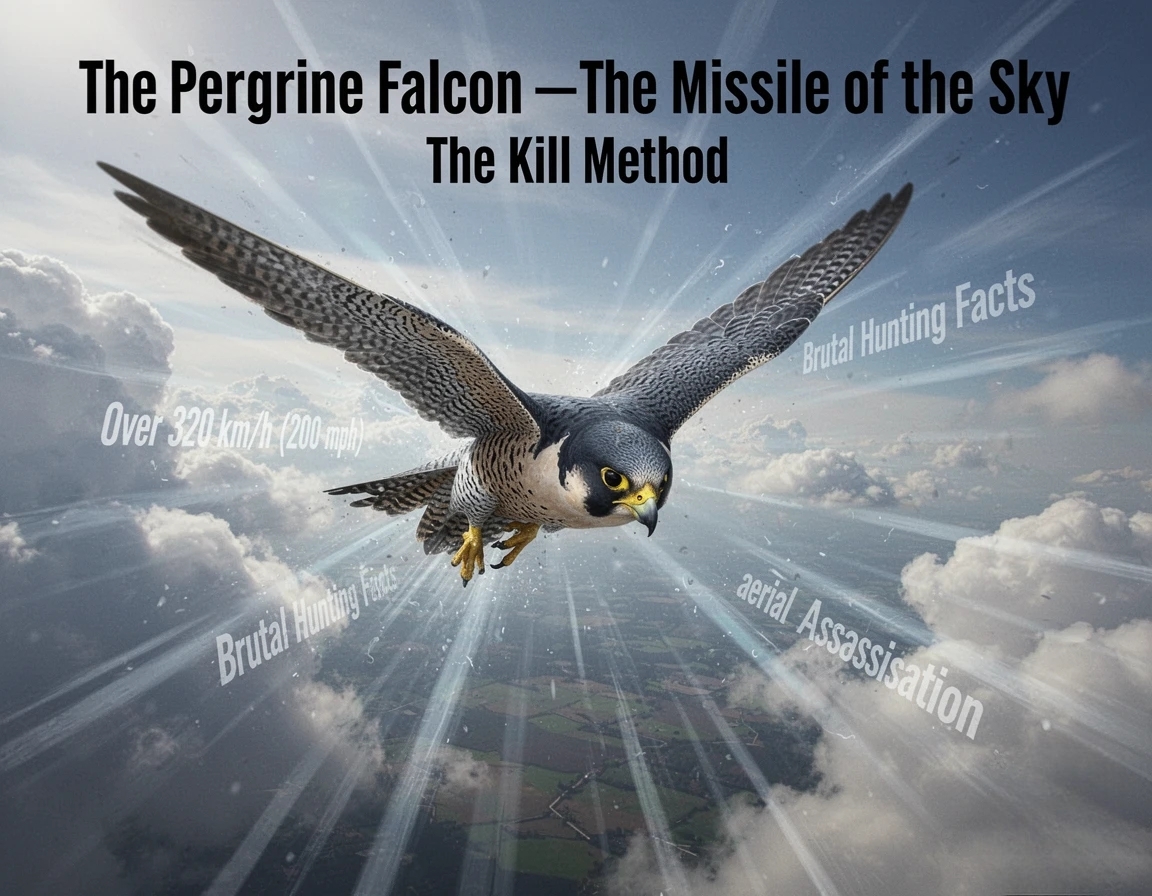
No bird hunts with greater speed than the peregrine falcon.
It is considered the fastest animal on Earth.
During its hunting dive, called a stoop, it reaches:
Over 320 km/h (200 mph)
That speed transforms the bird into a living projectile.
The Kill Method
The peregrine climbs high above flying prey.
Then it folds its wings.
Suddenly:
It drops.
The falcon slams into birds mid-air with devastating force.
Victims often die instantly from impact.
Others lose consciousness and fall from the sky.
The falcon then descends to retrieve the body.
Brutal Hunting Facts
Kills birds in mid-flight
Uses gravity as a weapon
Hits with incredible force
Can strike before prey reacts
Its attacks are less like hunting and more like aerial assassination.
The Secretary Bird — The Bird That Kicks Snakes to Death
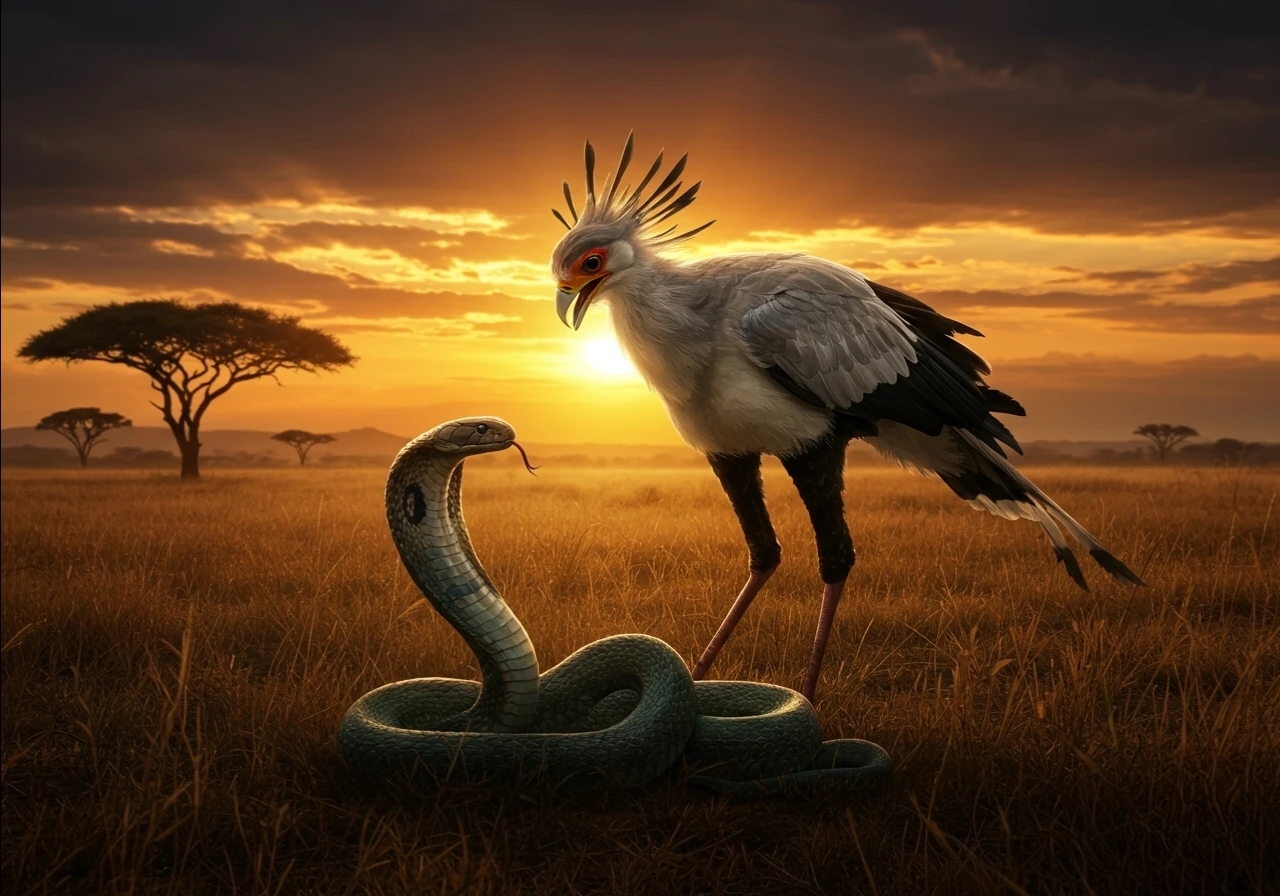
The secretary bird looks elegant.
Long legs.
Black feathers.
Graceful walk.
But this African predator is one of nature’s strangest killers.
Instead of claws or dives, it uses its legs as weapons.
Snake Execution Specialist
Secretary birds hunt venomous snakes including cobras.
When attacking:
They stomp repeatedly
Deliver lightning-fast kicks
Strike with enough force to kill
Some kicks happen in milliseconds.
A snake rarely gets close enough to bite.
Precision Combat
Unlike many birds:
The secretary bird fights on foot.
It uses timing, agility, and explosive attacks.
Its method resembles martial arts more than traditional hunting.
The Great Grey Owl — Silent Death in the Forest
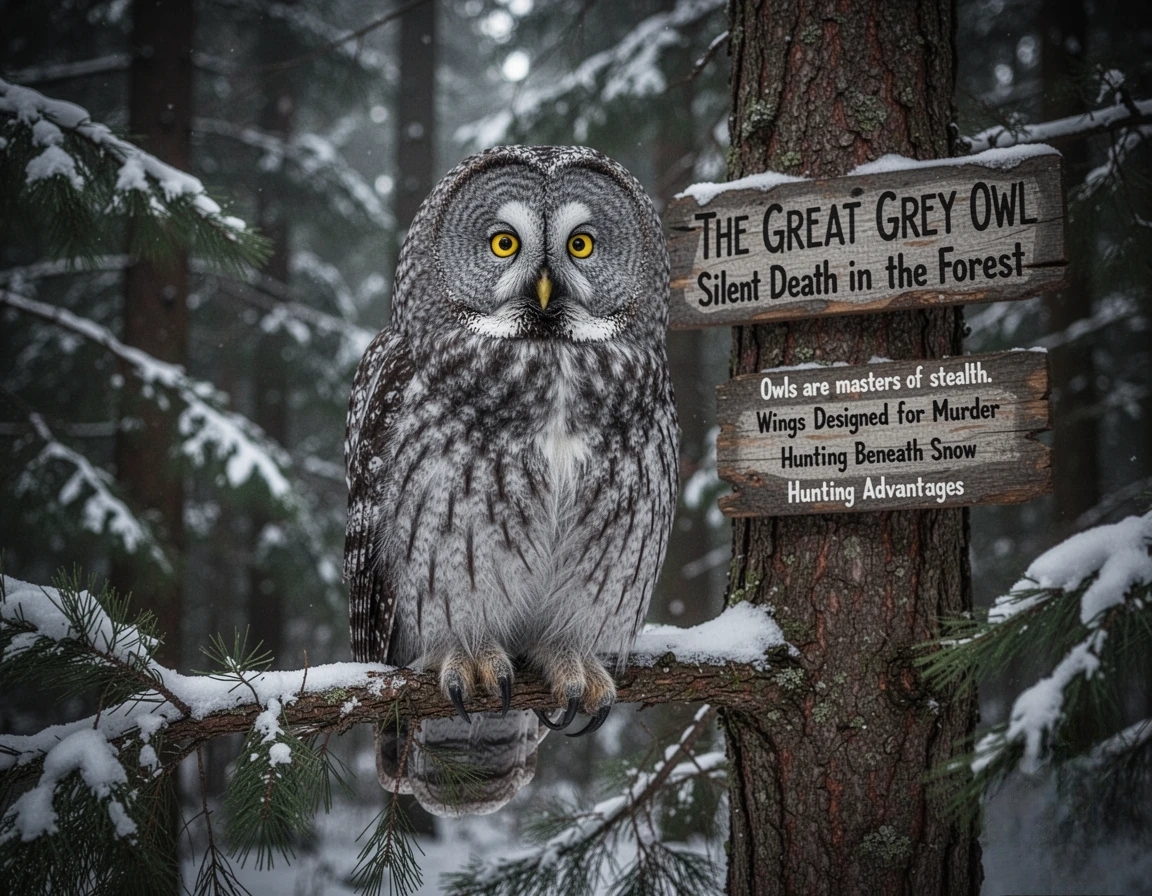
Owls are masters of stealth.
Among them, the great grey owl is terrifying.
It hunts using silence.
Wings Designed for Murder
Most birds create noise while flying.
Owls evolved special feathers that break airflow.
Result:
Almost silent flight.
Prey often never hears danger approaching.
Hunting Beneath Snow
The great grey owl can detect rodents moving under thick snow.
It listens.
Calculates.
Then crashes downward feet-first.
Sometimes penetrating deep snow layers.
Victims disappear instantly.
Hunting Advantages
Exceptional hearing
Silent approach
Night vision superiority
Vertical strike precision
The forest becomes a death trap.
The Shrike — The Bird That Creates Graveyards
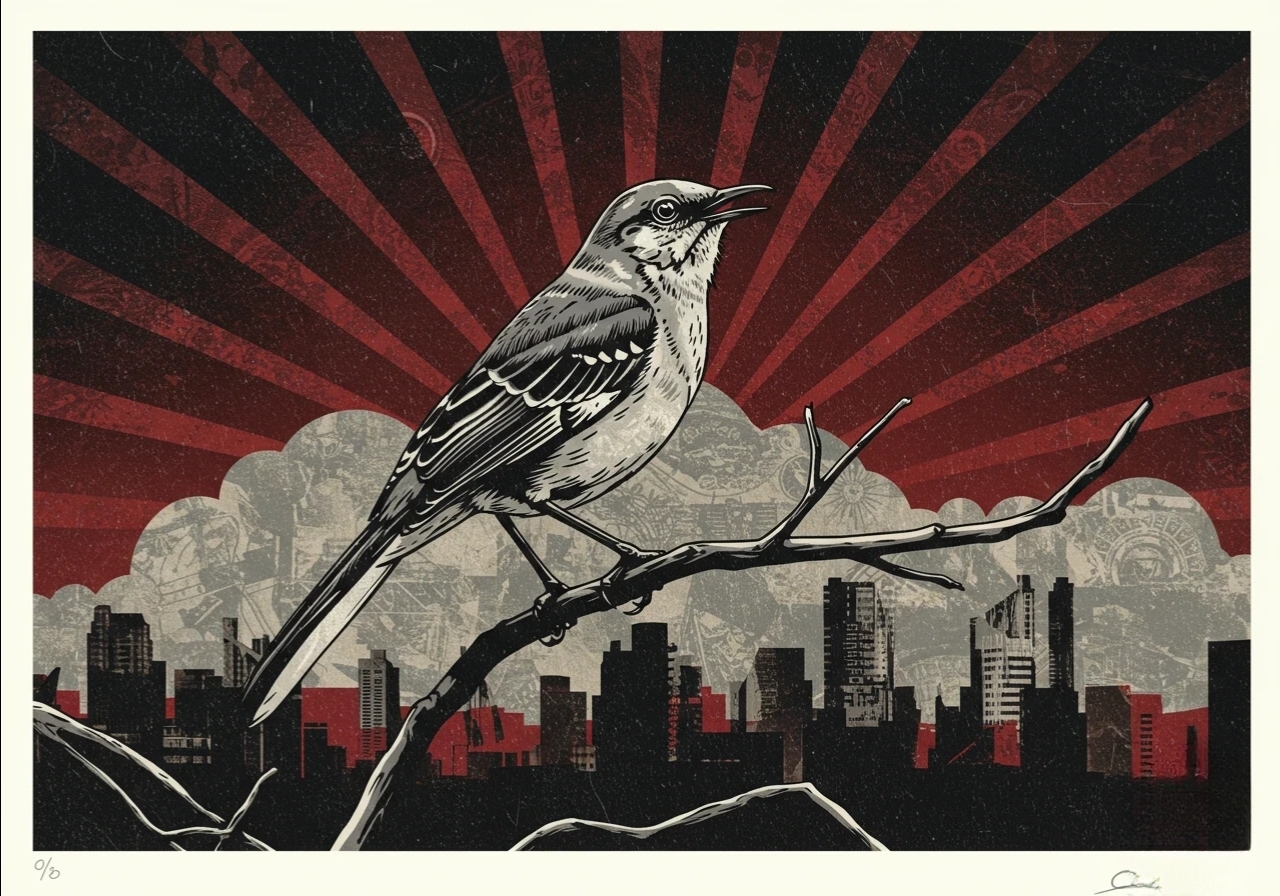
Shrikes are small.
Cute even.
But appearances hide something horrifying.
Shrikes earned the nickname:
“Butcher Birds.”
The Impaling Technique
Most birds simply eat prey.
Shrikes do something different.
They stab victims onto:
Thorns
Barbed wire
Sharp branches
Their prey hangs like trophies.
Victims include:
Insects
Lizards
Small birds
Rodents
Why They Do It
Shrikes lack strong talons.
Impaling acts as:
Food storage
Hunting aid
Flesh-tearing support
Still, seeing rows of impaled animals is deeply unsettling.
Nature rarely looks this brutal.
The Bald Eagle — Crushing Power From Above

The bald eagle represents strength.
Its hunting style proves why.
Talons Stronger Than Human Hands
Bald eagle grip strength can exceed many predators.
Its talons penetrate prey instantly.
Common targets include:
Fish
Ducks
Rabbits
Small mammals
Mid-Air Theft
Eagles are also pirates.
They often steal food from other birds.
This behavior is called kleptoparasitism.
An eagle may:
Chase another bird
Force it to drop prey
Capture the falling victim mid-air
Why hunt when intimidation works?
The Harpy Eagle — Jungle Monster With Giant Talons
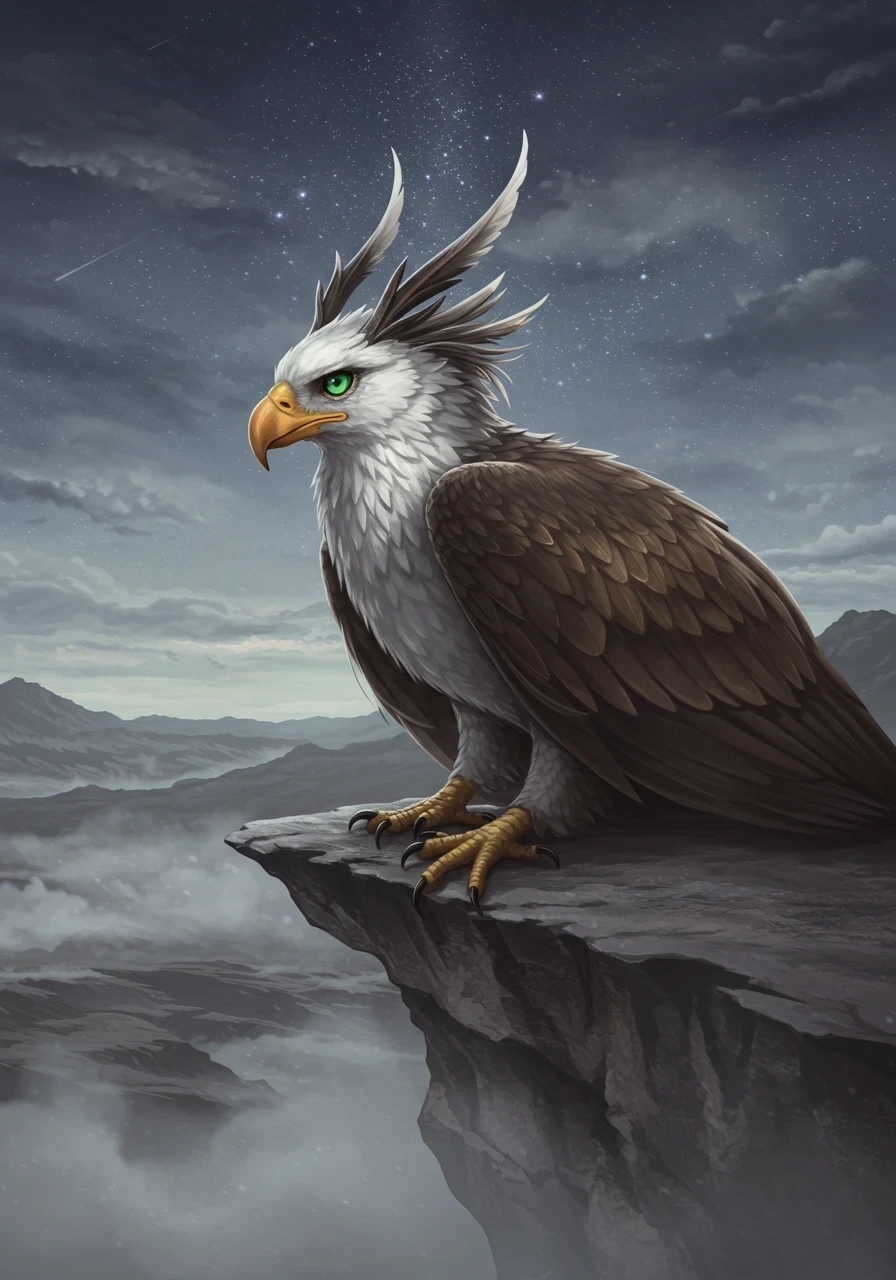
The harpy eagle looks mythical.
Its claws can rival a bear’s.
Found in tropical forests, it hunts animals many birds avoid.
Hunting Monkeys and Sloths
Harpy eagles attack:
Monkeys
Sloths
Tree mammals
Large birds
Their talons may exceed the size of grizzly bear claws.
Ambush From the Canopy
The eagle waits silently.
Then explodes through branches.
Victims often have no escape route.
Forest cover becomes the hunter’s advantage.
This bird dominates the jungle sky.
The Osprey — The Fish Assassin
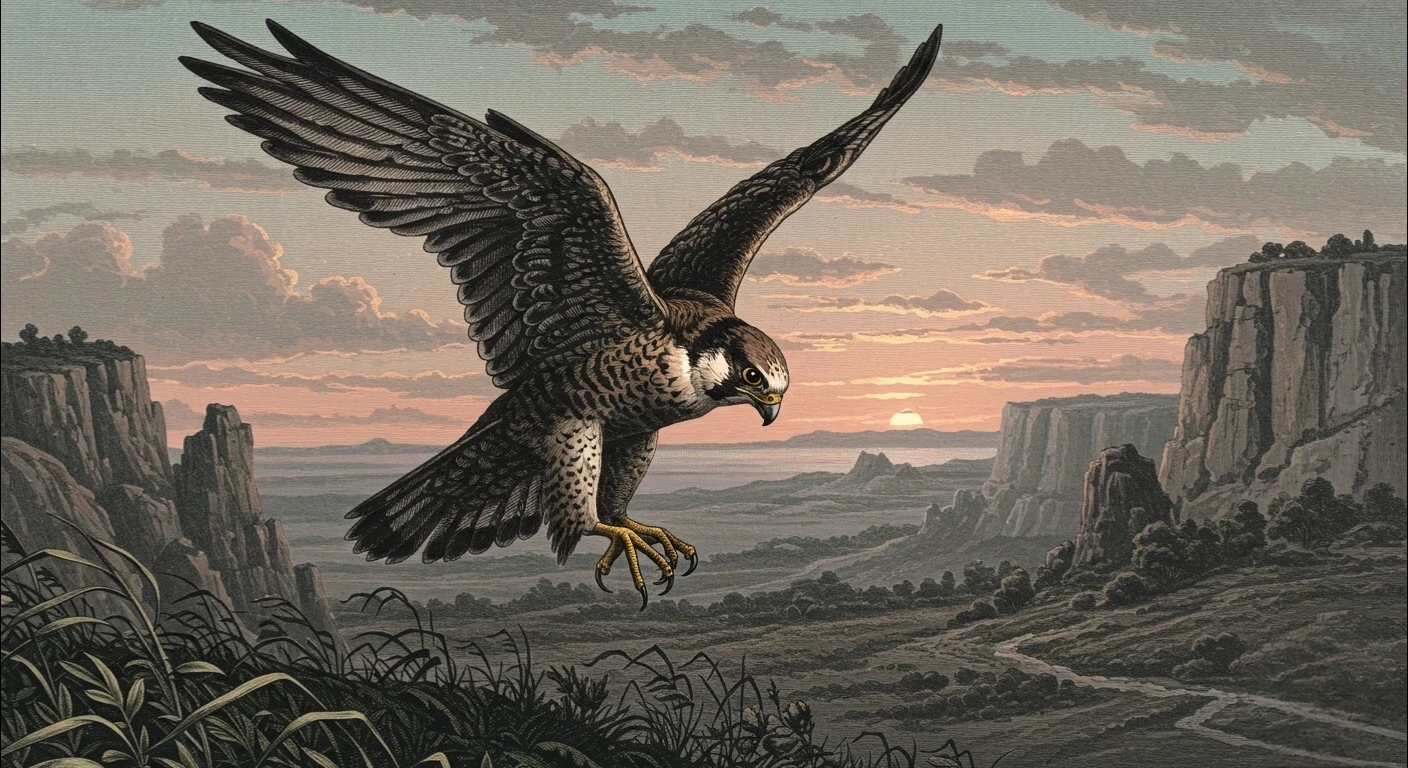
Most raptors hunt land prey.
The osprey specializes in fish.
It evolved for aquatic attacks.
Diving Strike Technique
The osprey hovers.
Spots movement.
Then plunges feet-first into water.
It can fully submerge during attack.
Adaptations for Fishing
Reversible outer toes
Waterproof feathers
Sharp curved claws
Oil-resistant plumage
Fish rarely escape once caught.
The Golden Eagle — Predator of Wolves and Goats
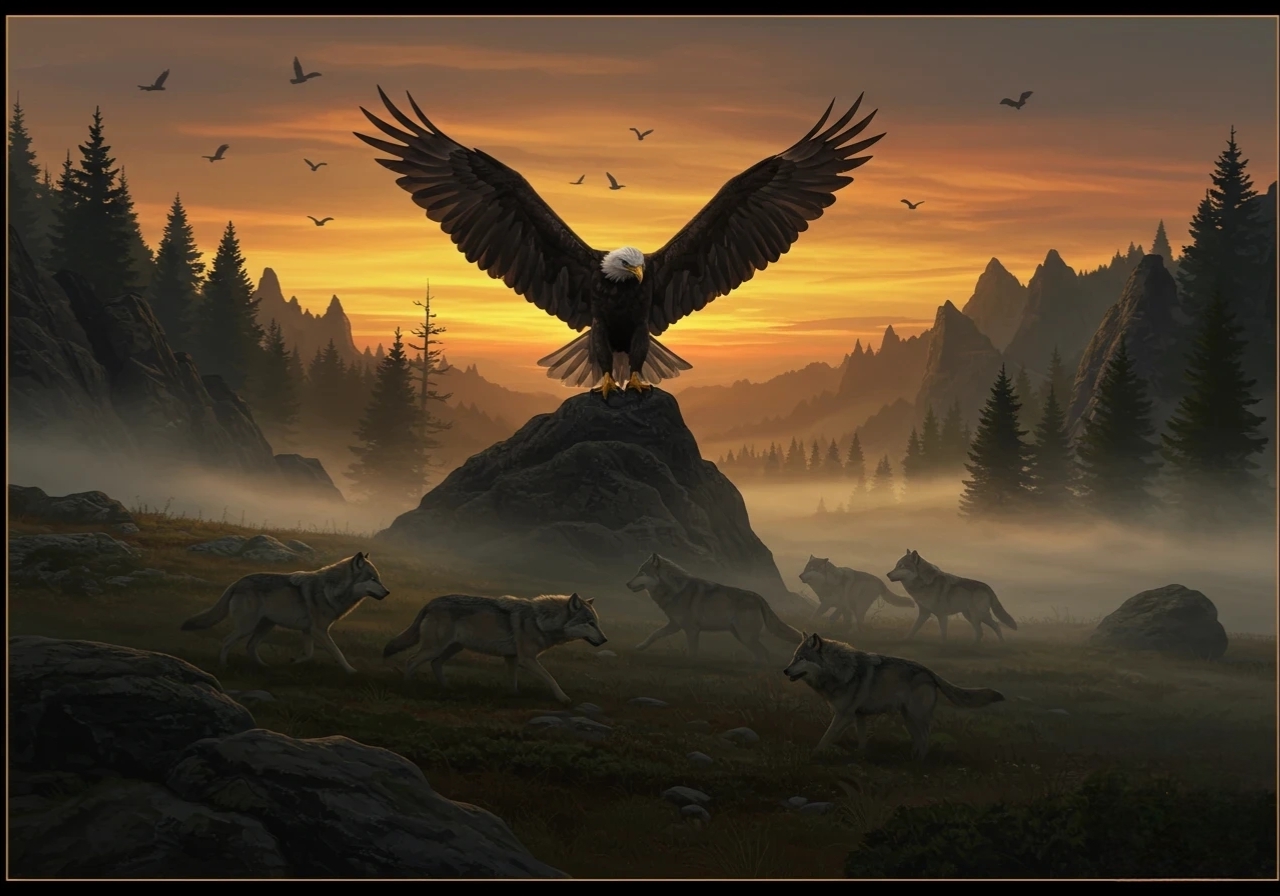
Golden eagles rank among the most powerful avian hunters.
They are capable of attacking surprisingly large prey.
Taking Down Large Mammals
Recorded prey includes:
Foxes
Deer fawns
Wild goats
Young wolves
In mountainous regions they strike from above.
Gravity as a Weapon
Golden eagles sometimes force prey off cliffs.
Victims lose footing.
The fall finishes the hunt.
Nature weaponized terrain itself.
The Nightjar — The Invisible Ambush Hunter
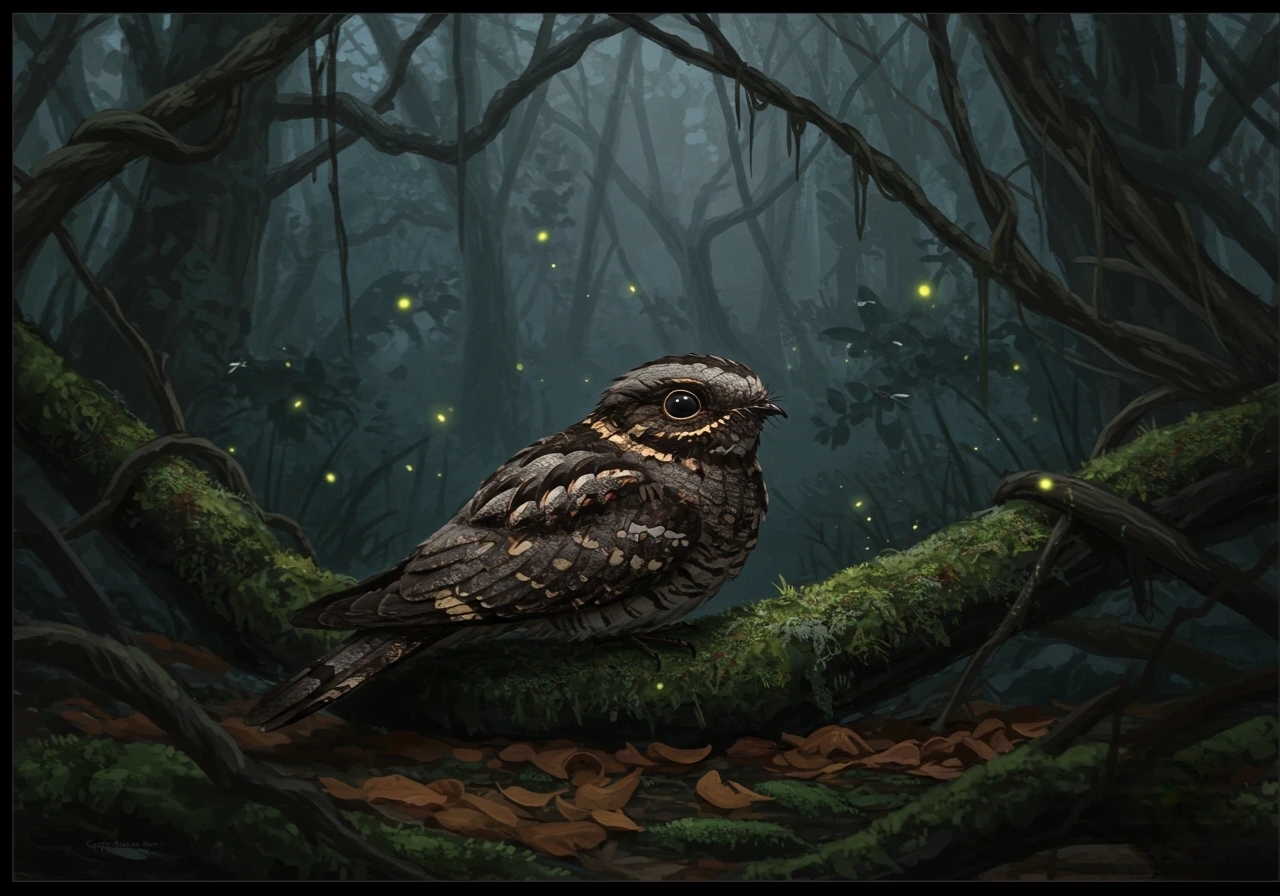
Nightjars hunt differently.
They rely on invisibility.
Camouflage Perfection
Their feathers resemble:
Bark
Dry leaves
Soil
They vanish against the landscape.
Prey never notices them.
Sudden Mouth Attack
Nightjars possess enormous mouths relative to body size.
Instead of pecking:
They open wide and swallow insects in flight.
Simple.
Fast.
Effective.
The Skua — Pirate of the Oceans
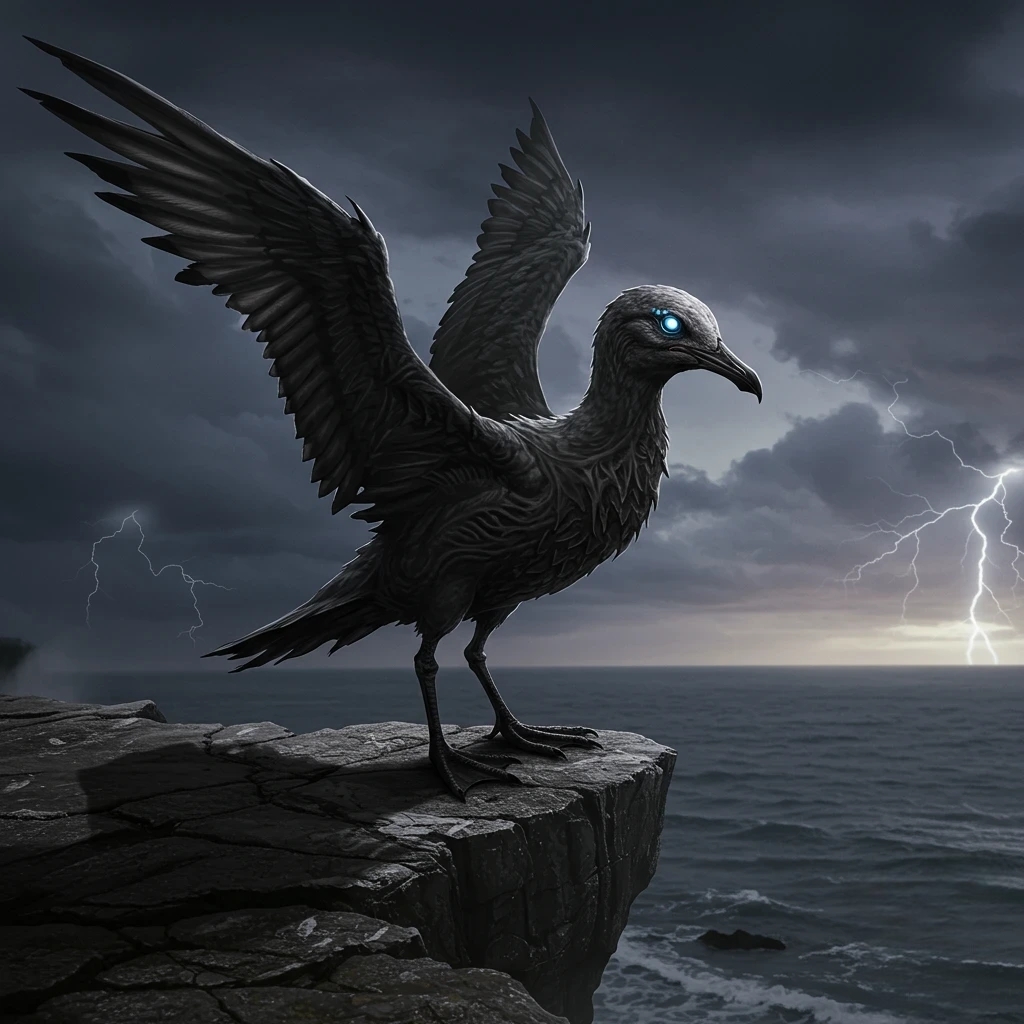
Skuas are ruthless seabirds.
Their favorite strategy?
Stealing.
Aerial Harassment
Skuas attack other birds until victims drop food.
Targets include:
Gulls
Terns
Puffins
Attack Method
Chase relentlessly
Dive aggressively
Force surrender
Grab falling meal
It is piracy in the sky.
The Red-Tailed Hawk — The Ambush Specialist
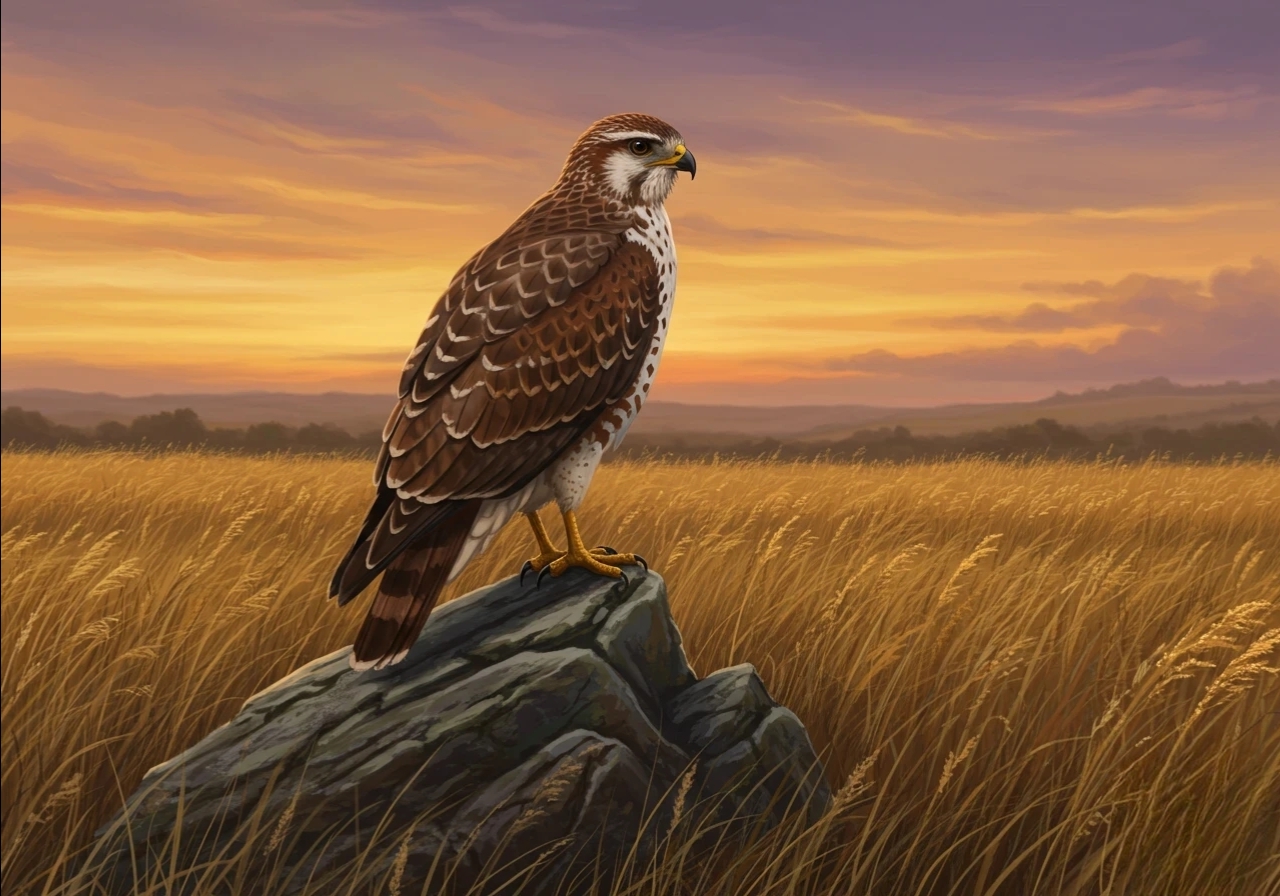
The red-tailed hawk dominates open landscapes.
Patient Surveillance
Unlike falcons:
Hawks wait.
They perch silently.
Watch fields.
Then attack suddenly.
Hunting Targets
Mice
Rabbits
Snakes
Birds
Their strategy depends on timing rather than speed.
Patience becomes a weapon.
The Bearded Vulture — The Bone Breaker
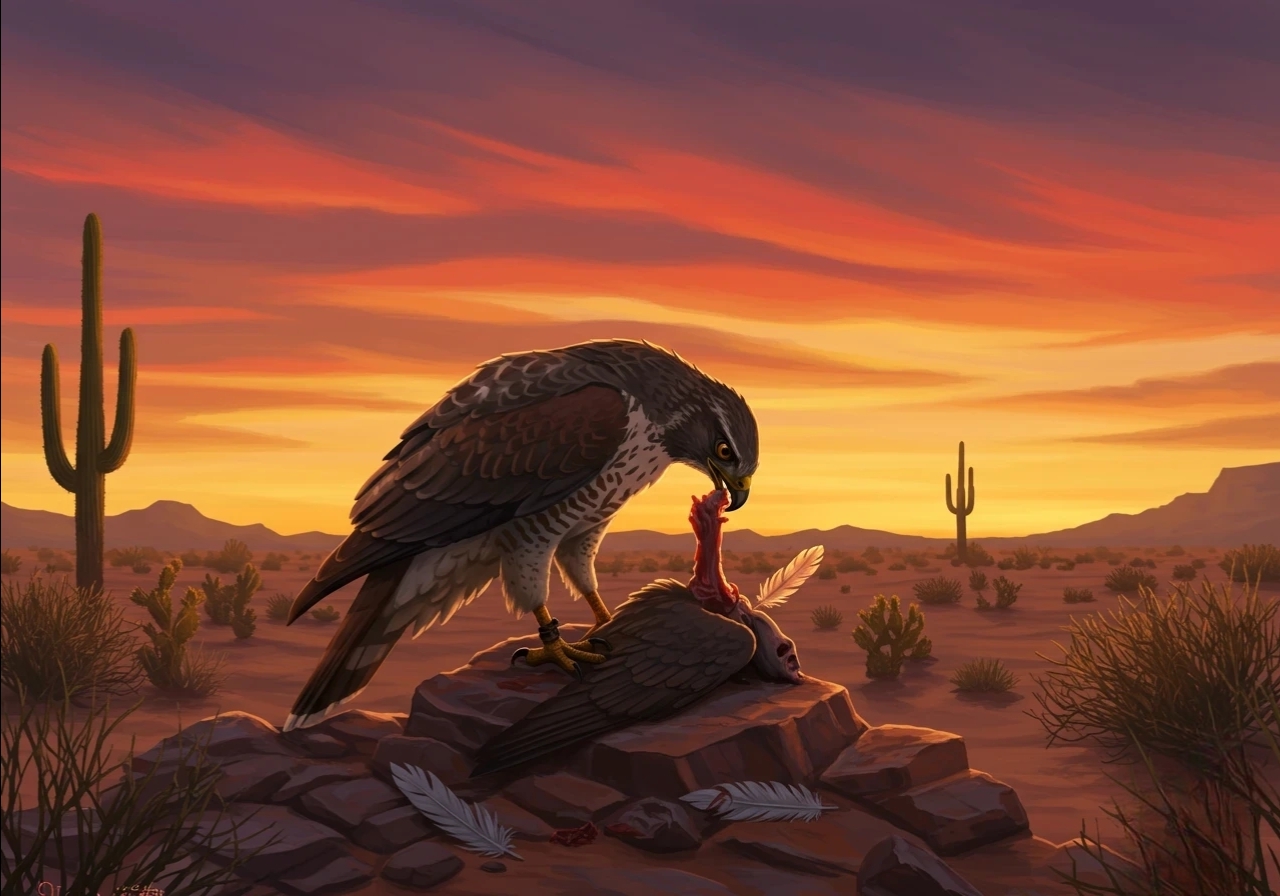
This bird eats something few predators can digest:
Bones.
Bone-Smashing Technique
The bearded vulture carries bones high into the air.
Then drops them onto rocks.
The impact shatters them.
Bird returns.
Eats marrow-rich fragments.
Why It Works
Marrow contains:
Fat
Nutrients
Energy reserves
The vulture turned gravity into a kitchen tool.
The Frigatebird — Master of Aerial Theft
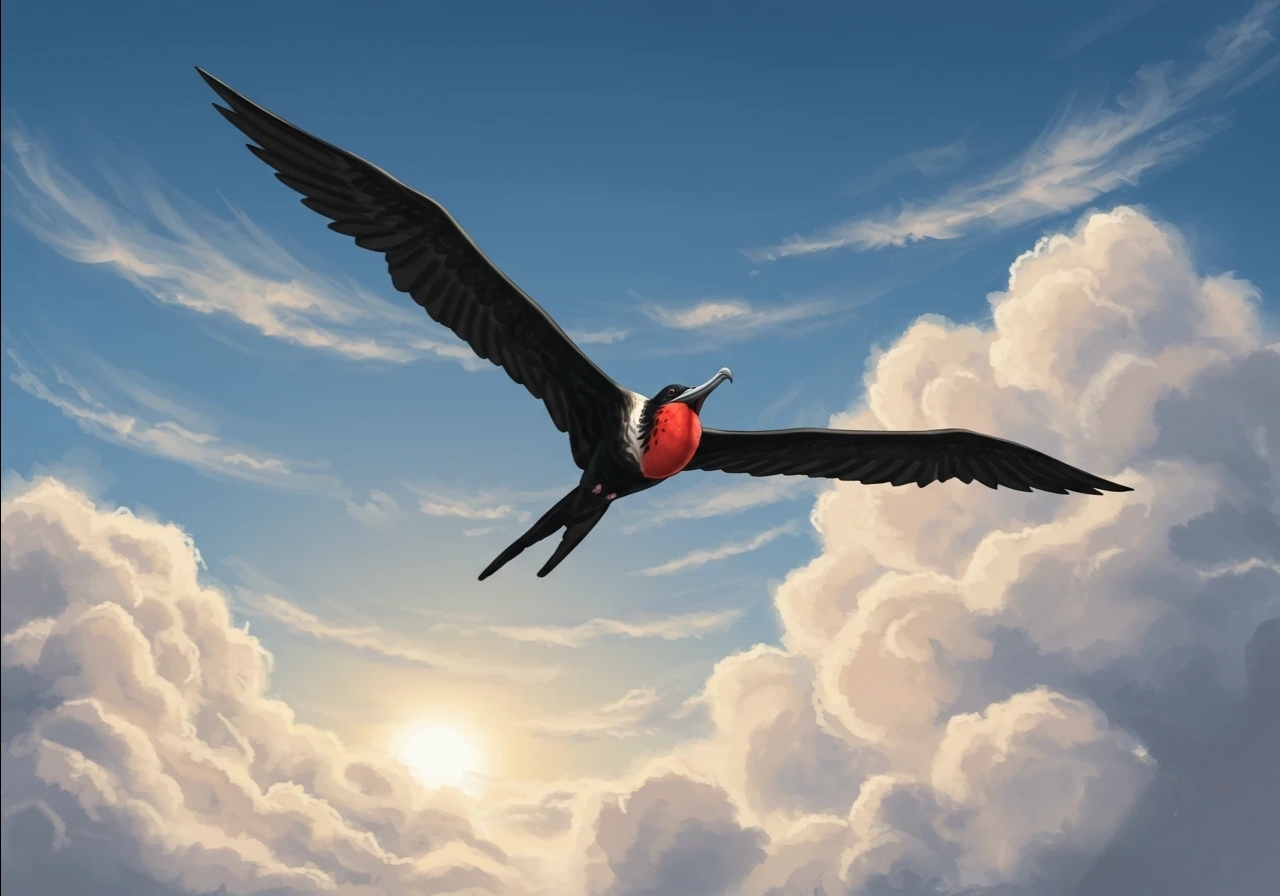
Frigatebirds barely hunt directly.
Instead they terrorize other birds.
Airborne Robbery
Frigatebirds chase seabirds aggressively.
Victims panic.
Eventually they regurgitate food.
The frigatebird catches it before it hits water.
Advantages
Saves energy
Reduces risk
Requires speed and timing
An airborne criminal strategy.
Hunting Adaptations That Turn Birds Into Assassins

Predatory birds evolved extraordinary biological weapons.
Eyes Built for Target Locking
Some raptors see multiple times farther than humans.
Advantages include:
Long-range detection
Motion tracking
Depth accuracy
Talons as Killing Tools
Talons perform several roles:
Piercing
Holding
Crushing
Suffocating prey
Specialized Feathers
Feathers aid:
Silent flight
Speed control
Waterproofing
Camouflage
Evolution optimized every detail.
Why These Brutal Hunters Matter
Despite their violence, predatory birds are essential.
Without them ecosystems collapse.
They control:
Rodent populations
Disease spread
Weak animal removal
Ecological balance
A world without raptors would quickly become unstable.
Predators keep nature functioning.
The Dark Beauty of the Sky’s Assassins
Humans often romanticize birds as symbols of peace.
Reality is more complicated.
Above forests, deserts, oceans, and mountains, birds wage constant war.
Some dive faster than race cars.
Some kick cobras to death.
Some hang victims on thorns.
Others drop bones from the sky.
Their methods may seem brutal.
But these hunters represent millions of years of evolutionary perfection.
The sky is not peaceful.
It is a battlefield.
And these birds were born to rule it.
Key Takeaways
Deadliest Hunting Techniques in Birds
Peregrine falcons use high-speed impact kills
Secretary birds stomp snakes to death
Owls hunt silently at night
Shrikes impale victims on thorns
Golden eagles use terrain against prey
Bearded vultures smash bones with gravity
Frigatebirds steal food mid-air
Harpy eagles ambush monkeys in forests
Description
The sky hides some of nature’s most ruthless predators. Discover Birds Born to Be Assassins — an in-depth journey into the world of deadly avian hunters and their shocking survival tactics. Explore how peregrine falcons become living missiles at over 320 km/h, why secretary birds kick venomous snakes to death, how shrikes create “graveyards” by impaling prey on thorns, and how owls use silent flight to strike unseen in the dark. Learn about harpy eagles powerful enough to hunt monkeys, bearded vultures that break bones from the sky, and ocean pirates like skuas and frigatebirds that steal food mid-air. This fascinating article reveals the most brutal hunting techniques in the sky and the evolutionary adaptations that turned ordinary birds into elite aerial assassins. Perfect for wildlife lovers, nature enthusiasts, and readers fascinated by bizarre animal behavior and survival in the wild.
H2 FAQs
1. Which bird is the fastest hunter in the world?
The peregrine falcon is the fastest hunter and fastest animal on Earth, reaching speeds above 320 km/h during hunting dives.
2. What bird impales its prey?
Shrikes, also called butcher birds, stab prey onto thorns or sharp objects for storage and feeding.
3. Which bird hunts snakes?
The secretary bird specializes in hunting snakes and kills them using powerful stomping attacks.
4. Can birds hunt mammals larger than themselves?
Yes. Harpy eagles and golden eagles sometimes attack monkeys, goats, and other surprisingly large prey.
5. Which bird breaks bones intentionally?
The bearded vulture drops bones from height onto rocks to crack them open and eat the marrow.
6. Why are predatory birds important?
They control prey populations, remove weak animals, and help maintain ecosystem balance.








Comments 0
Sign in to join the conversation.
No comments yet. Be the first to say something.