


An In-Depth Exploration of Anxiety Disorders: Unraveling the Threads of Mental Turmoil
Anxiety is a natural response to stress, but for millions of people worldwide, it can become a debilitating condition that disrupts their daily lives. Anxiety disorders, a group of mental health conditions characterized by persistent and excessive worry or fear, affect individuals of all ages and backgrounds. From generalized anxiety disorder (GAD) to specific phobias and panic disorders, anxiety takes many forms, but its impact is universally challenging. In this article, we explore the various types of anxiety disorders, their causes, symptoms, and available treatments to help individuals lead healthier, more balanced lives.

Understanding Anxiety Disorders
Anxiety disorders go beyond typical feelings of nervousness or unease. They involve intense, chronic worry and fear that can interfere with day-to-day functioning. The key to anxiety disorders is that these feelings occur excessively and often without an apparent cause, making them difficult to manage. These disorders can manifest in many ways, each with unique symptoms, but they all share the common theme of disrupting an individual’s emotional well-being.
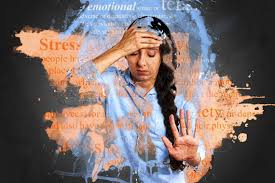
Types of Anxiety Disorders
- Generalized Anxiety Disorder (GAD)
GAD is characterized by excessive, uncontrollable worry about everyday situations, such as work, health, or social interactions. Unlike occasional worry, the anxiety experienced in GAD persists for six months or more and affects various aspects of life. People with GAD find it difficult to relax or focus on the present moment, often feeling a constant sense of impending doom.
Symptoms include:
- Restlessness or feeling on edge
- Fatigue
- Difficulty concentrating
- Irritability
- Muscle tension
- Sleep disturbances
- Panic Disorder
Panic disorder involves recurrent and unexpected panic attacks, which are intense periods of fear or discomfort that reach a peak within minutes. These attacks often occur without warning and can be triggered by specific situations or occur randomly. People with panic disorder may develop a fear of future attacks, leading to avoidance behaviors and heightened anxiety.
Symptoms of a panic attack:
- Rapid heart rate
- Sweating
- Trembling or shaking
- Shortness of breath
- Chest pain or discomfort
- Dizziness or lightheadedness
- Chills or hot flashes
- Nausea or abdominal distress
- Numbness or tingling sensations
- Social Anxiety Disorder (SAD)
SAD is marked by an overwhelming fear of social situations, particularly the fear of being judged, embarrassed, or humiliated. Individuals with this disorder experience significant distress in social interactions, which may lead them to avoid certain events or people altogether. This can affect both professional and personal relationships, making it difficult to form connections or engage in day-to-day activities.
Common symptoms include:
- Excessive self-consciousness in social settings
- Fear of being negatively evaluated
- Avoiding social events or gatherings
- Physical symptoms such as sweating, blushing, or trembling
- Specific Phobias
Phobias are intense, irrational fears of specific objects, situations, or creatures. These fears may seem exaggerated to others, but for those who experience them, the anxiety is real and overwhelming. Common phobias include fears of heights, animals, flying, or enclosed spaces. The fear is so intense that individuals often go to great lengths to avoid encountering the source of their phobia.
Symptoms may include:
- A strong desire to avoid the object or situation
- Physical reactions like sweating, dizziness, or nausea when faced with the phobia
- An overwhelming sense of panic
- Obsessive-Compulsive Disorder (OCD)
OCD is a disorder characterized by intrusive, unwanted thoughts (obsessions) and repetitive behaviors or rituals (compulsions) that individuals feel compelled to perform in response to their obsessions. For example, someone with OCD may obsessively worry about germs, leading them to wash their hands repeatedly. The compulsions provide temporary relief from the anxiety, but the cycle typically continues, reinforcing the anxiety over time.
Common symptoms include:
- Intrusive, distressing thoughts or fears
- Repetitive behaviors or rituals to reduce anxiety
- Spending excessive time on these rituals, which interfere with daily life
- Post-Traumatic Stress Disorder (PTSD)
PTSD can develop after experiencing or witnessing a traumatic event, such as a natural disaster, accident, assault, or war. Those with PTSD may relive the event through flashbacks or nightmares, and they often experience heightened alertness and difficulty trusting others. Anxiety related to PTSD can interfere with a person’s ability to function normally and engage in healthy relationships.
Symptoms of PTSD include:
- Flashbacks or intrusive memories of the trauma
- Nightmares or trouble sleeping
- Emotional numbness or detachment
- Hypervigilance or irritability
- Avoidance of reminders of the trauma

Causes of Anxiety Disorders
The causes of anxiety disorders are complex and multifactorial, often involving a combination of genetic, environmental, and psychological factors. While there is no single cause of anxiety disorders, several factors may contribute to their development:
- Genetics: Research suggests that anxiety disorders can run in families, indicating a genetic predisposition to developing these conditions.
- Brain Chemistry: Imbalances in neurotransmitters, such as serotonin and dopamine, can play a role in the development of anxiety disorders.
- Life Events: Stressful or traumatic events, such as the loss of a loved one, financial struggles, or a history of abuse, can trigger or worsen anxiety.
- Personality: Certain personality traits, such as being more prone to worrying or having low self-esteem, may increase the risk of developing an anxiety disorder.

The Impact of Anxiety Disorders
Anxiety disorders can significantly impact various aspects of an individual’s life. From work and school performance to personal relationships, anxiety can create barriers that prevent people from achieving their full potential. Individuals with anxiety disorders often experience isolation, as they may avoid social events or places that trigger their anxiety. This can lead to feelings of loneliness, depression, and further deterioration of their mental health.
Moreover, untreated anxiety can contribute to other physical and mental health problems, including depression, substance abuse, and even chronic health conditions like heart disease and gastrointestinal issues.

Treatment Options for Anxiety Disorders
Fortunately, anxiety disorders are treatable, and many individuals can manage their symptoms effectively with the right treatment plan. Treatment options typically include therapy, medication, or a combination of both.
-
Cognitive Behavioral Therapy (CBT): CBT is a highly effective form of therapy that helps individuals recognize and change negative thought patterns that contribute to anxiety. By identifying irrational fears and learning coping strategies, CBT helps individuals manage their anxiety more effectively.
-
Medication: Antidepressants, benzodiazepines, and beta-blockers are commonly prescribed to manage the symptoms of anxiety disorders. These medications help regulate brain chemicals that influence mood and anxiety levels.
-
Lifestyle Changes: Practicing relaxation techniques, such as deep breathing, meditation, or yoga, can help manage anxiety. Regular physical exercise, a healthy diet, and adequate sleep are also important factors in reducing stress and improving mental health.
-
Support Groups: Talking with others who understand the challenges of living with anxiety can provide a sense of community and reduce feelings of isolation.
-

Conclusion
Anxiety disorders are complex conditions that can significantly affect a person’s quality of life. However, with proper understanding, treatment, and support, individuals with anxiety can manage their symptoms and lead fulfilling, productive lives. It’s crucial to seek help if you or someone you know is struggling with anxiety, as early intervention can make a significant difference in the recovery process. Understanding the nature of anxiety disorders and the options available for treatment is the first step toward reclaiming mental well-being and living without fear.






Comments 0
Sign in to join the conversation.
No comments yet. Be the first to say something.