


Why Alkaline Foods Are Returning in 2025
In the evolving world of wellness and nutrition, trends come and go—but some resurface stronger than ever. That’s exactly what’s happening in 2025 with alkaline foods. Once a buzzy health trend in the early 2010s, the alkaline diet is experiencing a powerful resurgence, driven by a growing focus on holistic health, inflammation reduction, and natural energy support.
So, what’s behind the revival of this pH-focused approach to eating? Let’s explore why alkaline foods are back on the table and how they can benefit your daily diet.
What Is the Alkaline Diet? A Quick Refresher
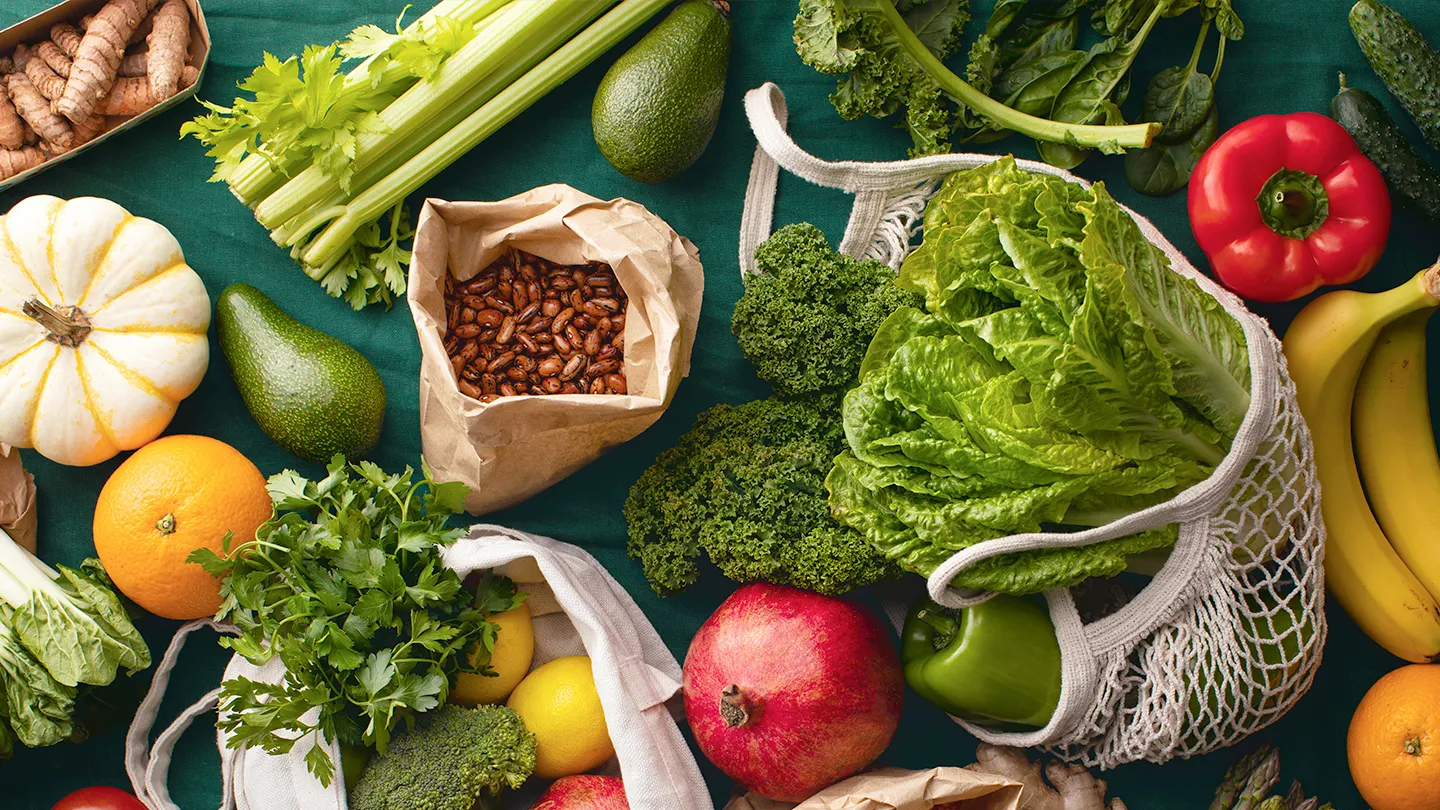
The alkaline diet is based on the concept that certain foods can affect the body’s pH balance. While the body tightly regulates blood pH between 7.35 and 7.45, proponents of the alkaline diet suggest that consuming more alkaline-forming foods can reduce acid buildup, support cellular health, and prevent chronic disease.
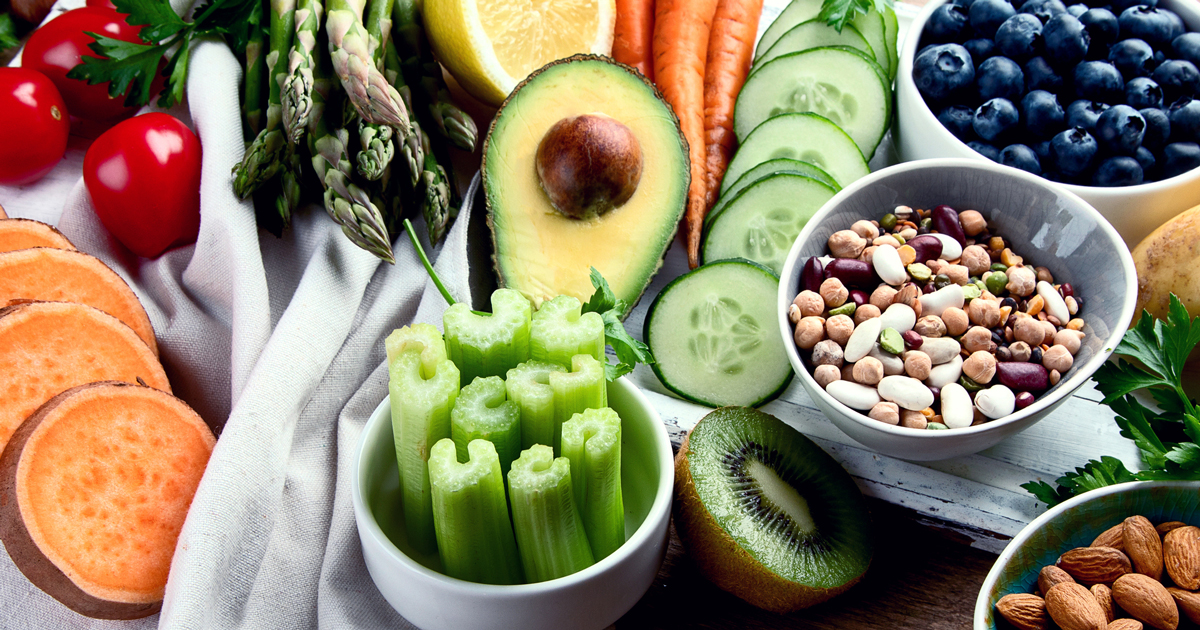
Alkaline-forming foods include:
-
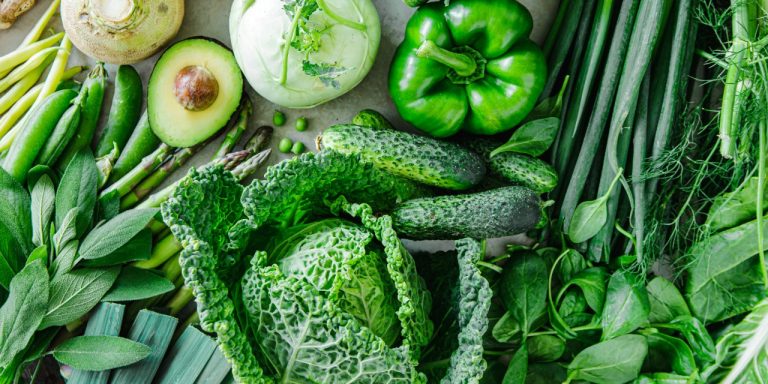
Leafy greens (spinach, kale)
-
Fresh fruits (lemons, avocados, watermelon)
-
Vegetables (cucumbers, broccoli, bell peppers)
-
Nuts and seeds
-
Herbal teas and alkaline water
Meanwhile, acid-forming foods like processed meats, refined sugars, dairy, caffeine, and alcohol are often limited or avoided.
Why the Comeback in 2025?
1. A Shift Toward Inflammation Reduction
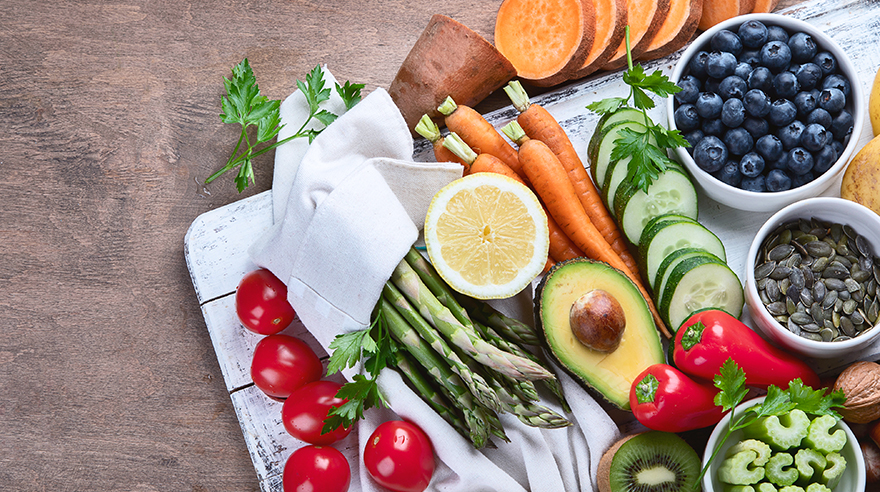
Inflammation has become a key buzzword in health and wellness circles. Chronic inflammation is linked to a range of issues—from joint pain to heart disease—and people are increasingly seeking dietary ways to calm it.
Alkaline foods are naturally anti-inflammatory. Leafy greens, berries, and citrus fruits contain antioxidants and phytochemicals that support the body’s ability to fight oxidative stress.
2. Whole, Plant-Based Eating Is On the Rise
The modern alkaline approach aligns well with plant-based and flexitarian lifestyles. As more people reduce meat and processed food intake, alkaline-friendly meals (like roasted veggie bowls, smoothies, and grain salads) fit perfectly into the 2025 wellness landscape.
3. Focus on Gut and Cellular Health
With the rise of personalized nutrition, people are more aware of how their food choices affect gut health and energy levels. Alkaline diets are rich in fiber, enzymes, and micronutrients—all essential for healthy digestion, immune function, and cellular repair.
4. Celebrity & Influencer Endorsement
Influencers, athletes, and wellness coaches are once again spotlighting alkaline eating, with meal plans, alkaline recipes, and even pH-balanced product lines trending across platforms like Instagram and TikTok. This visibility has reignited curiosity and exploration among health-conscious consumers.

Top Alkaline Foods to Try in 2025
Ready to refresh your meals? Here are some of the most popular and accessible alkaline foods making waves this year:
🌿 1. Spinach
A superstar leafy green, rich in iron, magnesium, and vitamin K. Use it in salads, smoothies, or sautéed with garlic.
🥑 2. Avocados
Creamy and packed with healthy fats and fiber, avocados support skin health and digestion.
🍋 3. Lemons
Surprisingly alkaline-forming, lemons help detoxify and boost vitamin C levels.
🥒 4. Cucumbers
High in water content, they’re hydrating and great for reducing bloating.
🌰 5. Almonds
These nuts are a great snack and contain alkaline minerals like calcium and magnesium.
🥦 6. Broccoli
A cruciferous veggie known for its detox benefits and anti-cancer properties.
🍉 7. Watermelon
Hydrating, antioxidant-rich, and alkaline-forming—perfect for a refreshing snack or
smoothie.
Alkaline Eating in Practice: Sample Daily Menu
Here’s what a simple day of alkaline-friendly eating might look like:
Breakfast:
Green smoothie with spinach, cucumber, avocado, lemon juice, and chia seeds.
Lunch:
Quinoa salad with roasted vegetables (zucchini, bell peppers, kale), topped with pumpkin seeds and olive oil.
Snack:
Almonds and watermelon slices.
Dinner:
Grilled tofu with steamed broccoli and a side of mashed cauliflower.
Beverage:
Alkaline water or herbal tea (ginger, chamomile, or mint).
What Science Says About the Alkaline Diet
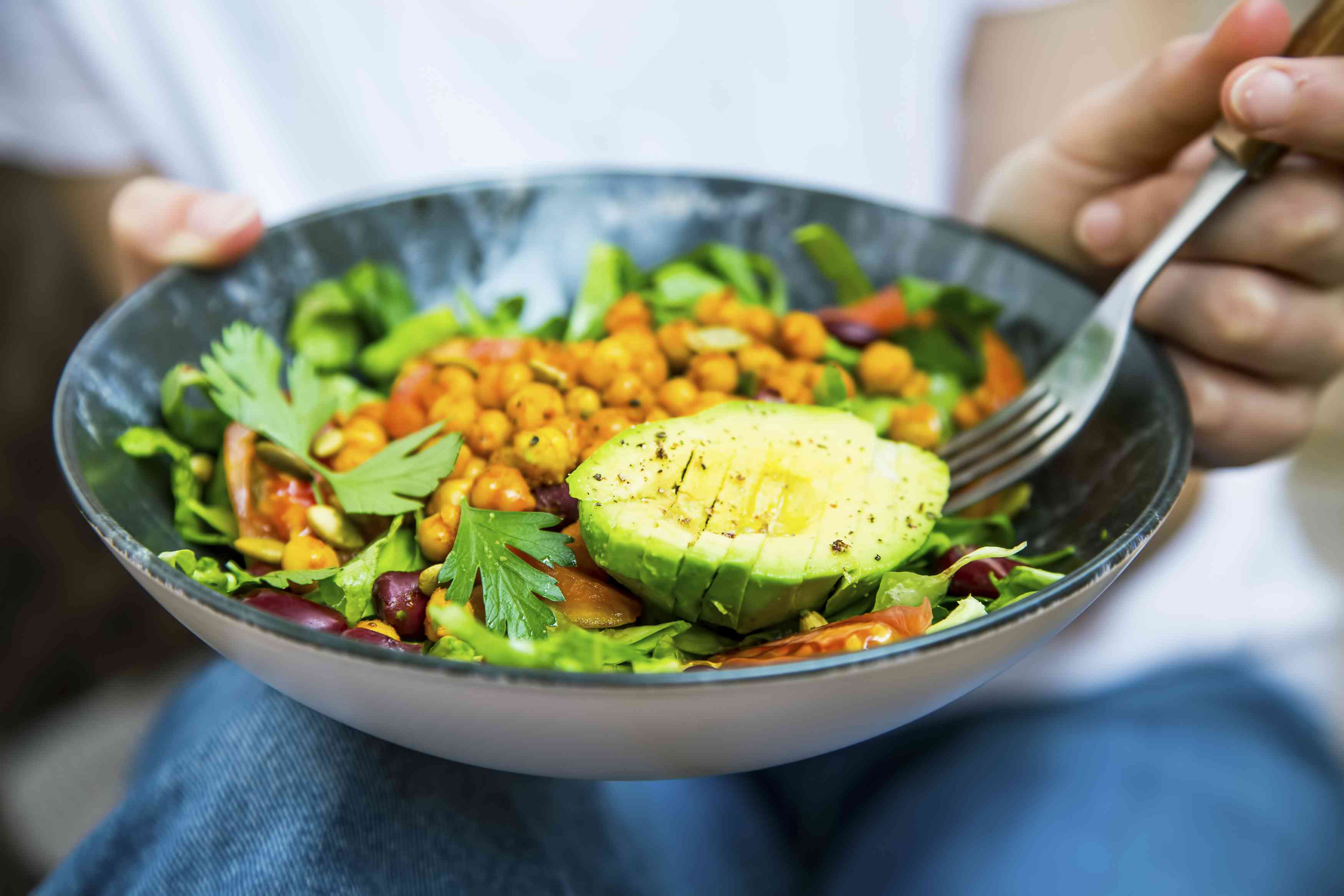
While the body’s internal pH remains constant regardless of diet, studies do support the benefits of plant-based, whole-food eating. Alkaline diets are:
-
High in minerals like potassium, magnesium, and calcium
-
Anti-inflammatory
-
Linked to improved bone health and kidney function
-
Supportive of weight management and metabolic balance
In short, even if the diet doesn’t “change your pH,” it still delivers clear benefits through nutrient-rich food choices.
Tips for Getting Started with Alkaline Eating
-
Go Gradually: Begin by adding more alkaline foods rather than removing acidic ones overnight.
-
Focus on Balance: Don’t get hung up on strict rules—aim for 70% alkaline-forming foods in your meals.
-
Hydrate Wisely: Try adding lemon to water, or sip on herbal teas throughout the day.
-
Prep Ahead: Chop veggies, cook grains, and have fruits on hand to make alkaline meals easy and convenient.
-
Listen to Your Body: As always, tune into how different foods make you feel. Wellness is personal.
-
Conclusion: A Return to Natural Balance
In 2025, the return of alkaline foods is less about hype and more about harmony. As people strive to eat cleaner, reduce inflammation, and boost energy, alkaline eating offers a practical, nourishing way to meet those goals.
You don’t have to overhaul your entire lifestyle to benefit. Just by incorporating more vibrant, plant-based, mineral-rich foods into your daily diet, you’ll be taking steps toward a more balanced, energized version of yourself.
Because when your plate is in balance, everything else starts to feel a little more aligned, too.







Comments 0
Sign in to join the conversation.
No comments yet. Be the first to say something.