

Table of Contents
- The Nutritional Profile of Garlic
- Health Benefits of Garlic
- Culinary Uses of Garlic Around the World
- Creative Ways to Add Garlic to Everyday Meals
- Precautions and Considerations When Consuming Garlic
1. The Nutritional Profile of Garlic
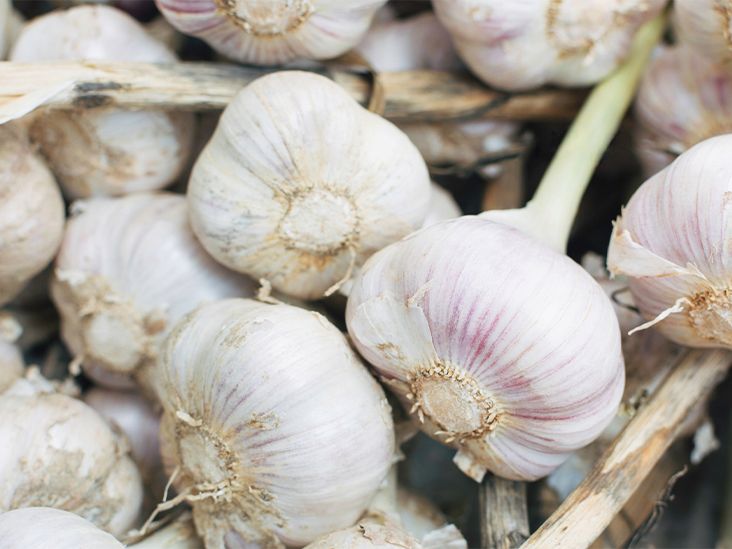
Garlic, scientifically known as Allium sativum, is a bulbous plant widely recognized for its culinary and medicinal properties. It is low in calories but packed with essential nutrients, including vitamins C and B6, manganese, and selenium. Additionally, garlic contains unique sulfur compounds like allicin, which contribute to its pungent aroma and numerous health benefits. These bioactive compounds have been studied extensively for their antioxidant and anti-inflammatory effects, making garlic a valuable addition to a balanced diet.
2. Health Benefits of Garlic
The health advantages of garlic are vast, earning it a spot as a natural remedy in traditional medicine for centuries. Some of the key benefits include:
- Boosting Immunity: Garlic enhances the immune system, helping the body combat infections and colds.
- Supporting Heart Health: Regular garlic consumption has been linked to lower blood pressure and cholesterol levels.
- Improving Digestion: Garlic stimulates digestive enzymes, promoting a healthy gut microbiome.
- Antioxidant Properties: The sulfur compounds in garlic combat oxidative stress and may reduce the risk of chronic diseases.
3. Culinary Uses of Garlic Around the World
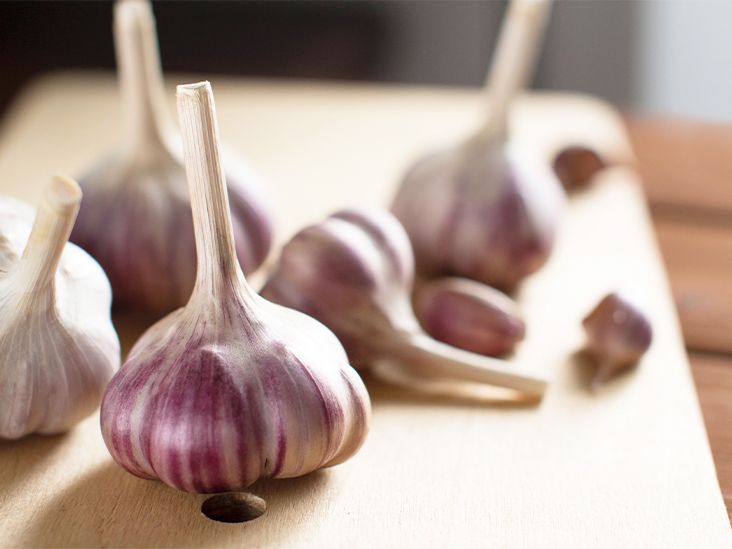
Garlic is a staple ingredient in cuisines across the globe, celebrated for its ability to enhance flavor profiles. In Italian cuisine, it forms the base of many sauces and soups. In Asian cooking, garlic is stir-fried with vegetables, meat, and noodles to add depth. Middle Eastern dishes like hummus and baba ganoush rely on garlic for their signature taste. By understanding how garlic is used globally, you can draw inspiration for incorporating it into your meals.

4. Creative Ways to Add Garlic to Everyday Meals
If you're looking to increase your garlic intake, consider these innovative methods:
- Roasted Garlic: Spread on bread or mix into mashed potatoes for a subtle, sweet flavor.
- Garlic Oil: Infuse olive oil with garlic for a versatile dressing or cooking base.
- Smoothies: Add a clove of raw garlic to vegetable smoothies for an immune-boosting kick.
- Homemade Sauces: Blend garlic into pesto, aioli, or yogurt-based dips.
- Pickled Garlic: Enjoy as a tangy snack or topping for salads and sandwiches.
Experimenting with these ideas ensures that garlic becomes a regular part of your diet without monotony.
5. Precautions and Considerations When Consuming Garlic
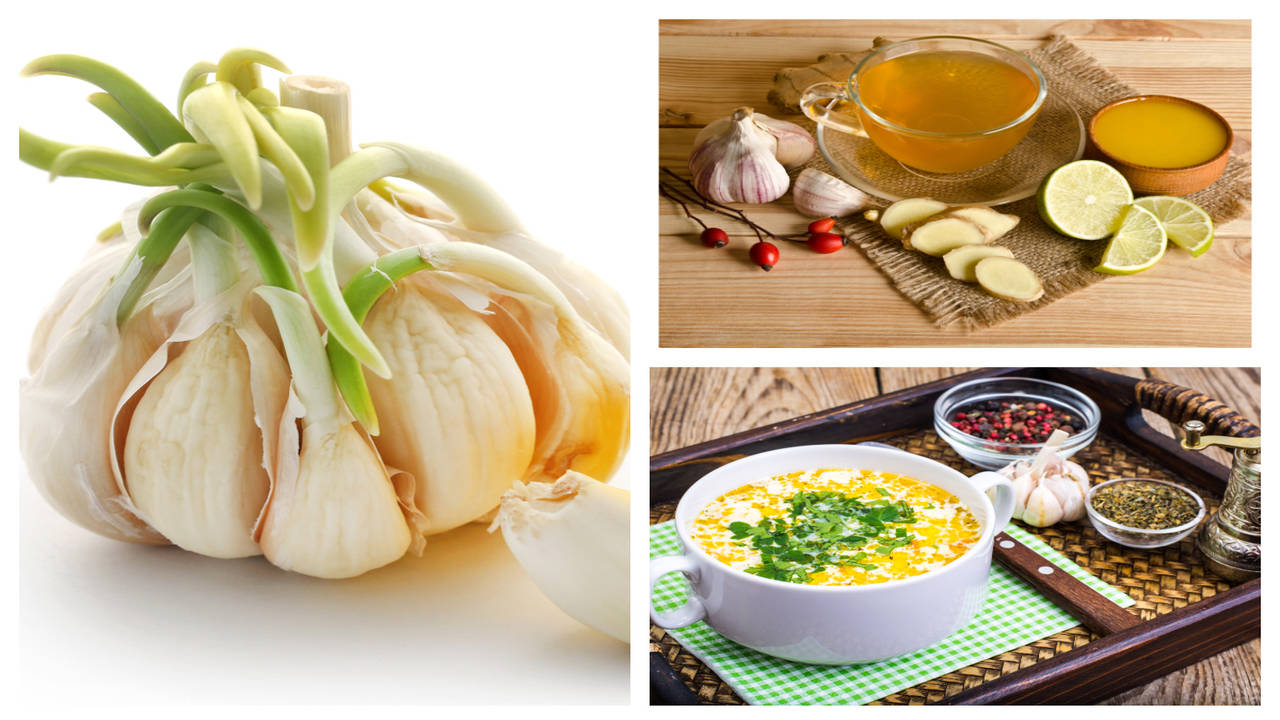
While garlic offers numerous benefits, it is essential to consume it in moderation. Excessive intake can lead to side effects such as digestive discomfort or bad breath. Additionally, raw garlic may irritate sensitive stomachs, so cooking it lightly can help mitigate this issue. If you're on blood-thinning medication, consult a healthcare professional before increasing your garlic intake, as it can have anticoagulant properties.
:max_bytes(150000):strip_icc()/Health-GettyImages-1201363083-b887feb2b16b46c2b891a95a5d597185.jpg)
Conclusion
Garlic is more than just a flavorful ingredient; it is a health-enhancing powerhouse that can significantly improve your well-being. From supporting heart health to boosting immunity, its benefits are backed by science and centuries of traditional use. By incorporating garlic creatively into your meals—whether raw, roasted, or infused—you can reap its advantages while enjoying its distinctive taste. Remember to consume it in moderation and consider any personal sensitivities or health conditions. Embrace garlic as a versatile addition to your diet and savor its impact on both flavor and health.

You must be logged in to post a comment.