


Winter Diseases:
Winter can present unique challenges for children’s health, especially as cold temperatures, indoor heating, and limited outdoor activity can create a perfect storm for various medical conditions. Many of these health issues are exacerbated by the colder climate and can significantly affect a child's physical well-being. This article explores five common winter medical conditions that may influence a young child’s body and overall health: colds and flu, asthma exacerbations, frostbite, dry skin and eczema, and seasonal affective disorder (SAD). Understanding these conditions and knowing how to prevent or manage them can help keep children safe and healthy during the colder months.
1. Colds and Flu (Upper Respiratory Infections):
Overview
Winter is synonymous with an increase in respiratory infections, particularly the common cold and influenza (flu). This is because cold, dry air makes the body more susceptible to infections, and children are more likely to spend time indoors in proximity to others, which facilitates the spread of viruses. Additionally, during winter, indoor environments are often more crowded and less ventilated, further increasing the risk of transmission.
Symptoms
Common cold symptoms in children include a runny or stuffy nose, coughing, sore throat, mild fever, body aches, and a general sense of fatigue. The flu shares many of these symptoms, but typically presents with a higher fever, more severe body aches, chills, and headaches. In severe cases, influenza can lead to complications such as pneumonia or bronchitis, especially in young children with weakened immune systems.
Effect on the Body
The body’s immune response to these infections can lead to inflammation and fluid accumulation in the sinuses, leading to congestion, difficulty breathing, and earaches. In young children, respiratory infections can sometimes worsen into more serious conditions like otitis media (middle ear infections), and in severe cases, it can lead to dehydration or even hospitalization if complications arise.
Prevention and Care
To help prevent colds and flu, ensure children practice good hygiene, including frequent handwashing and avoiding close contact with sick individuals. It’s also important to keep children’s immune systems strong by encouraging a healthy diet rich in vitamins and nutrients. Vaccination, including the annual flu shot, can also help reduce the severity of influenza and prevent widespread outbreaks. During illness, ensure the child stays hydrated, rests, and is provided with over-the-counter medications to alleviate symptoms, as advised by a healthcare provider.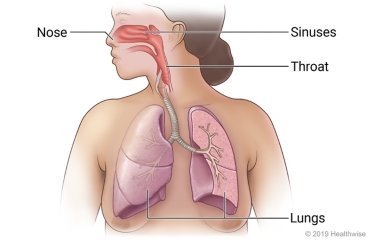
2. Asthma Exacerbations:
Overview
Asthma is a chronic respiratory condition that causes inflammation and narrowing of the airways, making it difficult to breathe. Cold air is a major trigger for asthma symptoms, especially in children. When the temperature drops, the air becomes drier and colder, which can irritate the airways, leading to increased asthma symptoms or even asthma attacks. Respiratory infections like colds and flu can also worsen asthma symptoms, making winter a particularly challenging season for children with this condition.
Symptoms
Asthma symptoms include coughing, wheezing, shortness of breath, chest tightness, and difficulty breathing, especially during physical activity or at night. In some children, the cold air or the dry indoor environment during winter can cause the airways to constrict, leading to asthma flare-ups. These symptoms can be mild or severe, depending on the child’s asthma control.
Effect on the Body
Asthma exacerbations can be dangerous, especially if they lead to an acute asthma attack, where the child may struggle to breathe. Without proper treatment, asthma can lead to fatigue, reduced oxygen levels, and prolonged discomfort. In extreme cases, an asthma attack can require emergency medical intervention.
Prevention and Care
To prevent asthma flare-ups during winter, ensure that children with asthma take their prescribed medications regularly, including any preventative inhalers. When outdoors, children should wear scarves or masks over their noses and mouths to warm and humidify the cold air before it enters the lungs. Using a humidifier in the child’s room can also help prevent the air from becoming too dry. Avoiding exposure to smoke, strong fumes, and other environmental pollutants can also help keep asthma symptoms under control.
3. Frostbite:
Overview
Frostbite occurs when skin and underlying tissues freeze due to prolonged exposure to cold temperatures, often when the temperature falls below 32°F (0°C). Children, especially younger ones, are at greater risk of frostbite because their bodies lose heat more quickly, and they may not recognize or communicate the early warning signs of frostbite.
Symptoms
The symptoms of frostbite include numbness or tingling in the affected area, skin that appears pale, gray, or blue, and swelling or blisters in more severe cases. Extremities such as fingers, toes, ears, and noses are most vulnerable to frostbite. If left untreated, frostbite can cause permanent damage to the affected tissues, and in extreme cases, amputations may be necessary.
Effect on the Body
Frostbite can cause severe tissue damage and disrupt blood flow, potentially leading to permanent disability if not treated quickly. Children’s smaller body mass makes them particularly susceptible to losing body heat, making frostbite a serious concern during winter outdoor activities.
Prevention and Care
To prevent frostbite, dress children in layers of warm clothing, including insulated gloves, hats, and socks that cover all exposed skin. When playing outdoors, children should take frequent breaks in warm environments to prevent prolonged exposure to cold. In cases of suspected frostbite, it is crucial to seek medical attention immediately. Warming the affected area with warm (not hot) water can help, but rewarming should not be attempted if there is any risk of refreezing, as this can cause more harm.
4. Dry Skin and Eczema:
Overview
Winter weather, with its combination of cold outdoor air and dry indoor heating, can lead to dry, flaky skin. For children who already have eczema (a condition that causes the skin to become inflamed and itchy), the cold weather can make the condition worse. Dry skin is especially common in the winter because the low humidity causes the skin’s natural moisture to evaporate more quickly, leaving it dry and irritated.
Symptoms
Dry skin typically causes itching, redness, and rough patches, especially on the face, arms, and legs. Eczema flare-ups may lead to inflamed, cracked skin that can become infected if scratched excessively. This condition can disrupt sleep and cause significant discomfort, and in some cases, may lead to scarring or skin infections.
Effect on the Body
Children with severe eczema can experience deep cracks in their skin that may bleed, and these breaks can become infected if bacteria enter through the open wounds. The constant irritation can also affect the child’s quality of life, causing distress and difficulty concentrating in school or social activities.
Prevention and Care
To prevent dry skin and eczema flare-ups, it’s essential to keep the skin moisturized with fragrance-free lotions or ointments. Bathing should be done with lukewarm water and gentle, non-irritating soaps. A humidifier in the child’s room can help maintain skin hydration by adding moisture to the dry indoor air. Parents should also avoid overdressing children, as sweat and heat can irritate the skin further.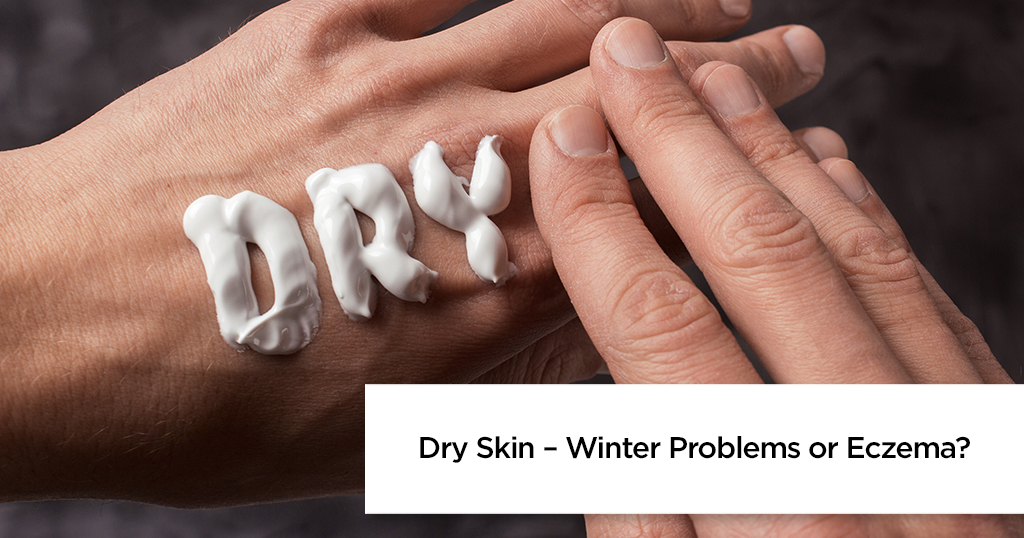
5. Seasonal Affective Disorder (SAD):
Overview
Seasonal Affective Disorder (SAD) is a type of depression that occurs during specific seasons, typically in the winter months when there is less sunlight. While more common in adults, children are not immune to the effects of reduced daylight. Lack of sunlight can alter the production of serotonin (a neurotransmitter that influences mood) and melatonin (a hormone that regulates sleep), leading to symptoms of depression and anxiety.
Symptoms
Symptoms of SAD in children include irritability, fatigue, difficulty concentrating, withdrawal from social activities, changes in appetite (particularly craving carbohydrates), and disrupted sleep patterns. Children may also experience increased feelings of sadness or hopelessness.
Effect on the Body
SAD can impact a child's emotional well-being, social interactions, and academic performance. If untreated, it may lead to more severe mental health issues, including anxiety or full-blown depression, which can affect the child’s overall development and well-being.
Prevention and Care
To help prevent and manage SAD, it’s important to encourage outdoor activities during daylight hours, even if the weather is cold. Light therapy, which involves exposure to bright light, has been shown to help regulate the body’s circadian rhythms and improve mood. In more severe cases, counseling or therapy may be recommended to help the child cope with the symptoms.









Comments 0
Sign in to join the conversation.
No comments yet. Be the first to say something.